Integrative Biology Journals
Login
/
Register
Toggle navigation
JIPB
Home
Journal
About the Journal
Aim and Scope
Accepted
Archive
Board Members
JIPB Staff
Editor's Handbook
Promotional Slides
Newsletter
Author Guidelines
Instructions for Authors
Free Access Policy
PubExpress
Ethics in Publishing
Reader Services
Get New Content Alerts
Most-Cited Articles
Most-Accessed Articles
Subscription
Recommend JIPB to Library
Advertising
JIPB at Wiley
Hormone Signaling
Default
Latest
Most Read
Please wait a minute...
For Selected:
Download Citations
EndNote
Reference Manager
ProCite
BibTeX
RefWorks
Toggle Thumbnails
Select
CLE19 suppresses brassinosteroid signaling output via the BSL-BIN2 module to maintain BES1 activity and pollen exine patterning in
Arabidopsis
Shuangshuang Wang, Shiting Zhang, Ying Yu, Jianzheng Wang, Jingya Wang, Mengyu Li, Jianan Lu, Juanying Ye, Hanji Li, Yeqiao Liu, Yuhan Zhao, Wen Song, Juan Dong, Jia Li, Chunming Liu, Hong Ma, Fang Chang
J Integr Plant Biol 2025, 67 (12): 3216-3230.
doi:
10.1111/jipb.70024
Abstract
(Browse
325
) |
Save
The pollen exine serves as a protective barrier and signaling interface essential for male fertility in flowering plants. Its precise patterning depends on coordinated interactions between microspores and tapetal cells. While the CLAVATA3/EMBRYO SURROUNDING REGION-related 19 (CLE19) peptide has been identified as a microspore-derived “brake” that restricts tapetal activity to maintain exine developmental homeostasis, how CLE19 integrates with hormonal signaling pathways remains poorly understood. Here, we demonstrate that CLE19 attenuates brassinosteroid (BR) signaling output by engaging a defined BSL–BIN2–BES1 signaling cascade. Through quantitative phosphoproteomic analysis, we identified that CLE19 affects the phosphorylation of multiple BR signaling components, including BSL-type phosphatases BSL1/2/3, the GSK3-like kinase BIN2, and the transcription factor BES1. We show that CLE19 is perceived by its receptor PXL1, which directly interacts with BSL-type phosphatases to activate the GSK3-like kinase BIN2, leading to phosphorylation of BES1 at serine residues S219 and S223. Functional analyses using phospho-dead and phospho-mimic BES1 variants confirm that CLE19-dependent phosphorylation controls BES1 nuclear export and degradation, ultimately suppressing BR-responsive transcriptional outputs required for pollen exine patterning. Together, our findings define a peptide–hormone signaling axis that regulates transcription factor activity through post-translational regulation, providing mechanistic insight into how developmental robustness is maintained via intercellular signal integration in plant reproduction.
References
|
Full Text HTML
|
Full Text PDF
|
Cited By
Antagonistic crosstalk between the microspore-derived CLE19 peptide and brassinosteroid signaling preserves pollen developmental homeostasis in Arabidopsis. CLE19 activates a protein phosphatase—kinase cascade to phosphorylate the transcription factor BES1, triggering its inactivation and suppressing brassinosteroid signaling outputs, thereby fine tuning male fertility under fluctuating conditions.
Select
A role of the Arabidopsis polyprenol reductase 1 in brassinosteroid biosynthesis
Huixiang Wu, Shiming Liu, Wenjie Liu, Wenxin Li, Juan Mao, Jianjun Zhang, Linchuan Liu, Jianming Li
J Integr Plant Biol 2025, 67 (11): 2793-2795.
doi:
10.1111/jipb.70022
Abstract
(Browse
369
) |
Save
References
|
Full Text HTML
|
Full Text PDF
|
Cited By
Overexpression of
Arabidopsis
POLYPRENOL REDUCTASE 1 (PPRD1)
partially rescued the phenotype of the
de-etiolated2-1
(
det2-1
) brassinosteroid biosynthesis mutant and increased its brassinosteroid contents. A loss-of-function
pprd1
mutation enhanced the
det2-1
short-root phenotype and further reduced its brassinosteroid levels, suggesting that PPRD1 plays a role in brassinosteroid biosynthesis.
Select
ARF7/19 activate
CRF3
in response to cold via Aux/IAA degradation
Uyen Thu Nguyen, Na Young Kang, Dong Wook Lee, Jungmook Kim
J Integr Plant Biol 2025, 67 (11): 2796-2798.
doi:
10.1111/jipb.70039
Abstract
(Browse
320
) |
Save
References
|
Full Text HTML
|
Full Text PDF
|
Cited By
Cold induces degradation of Aux/IAA proteins through the ubiquitin-proteasome pathway, releasing AUXIN RESPONSE FACTOR7 (ARF7) and ARF19 from Aux/IAA-mediated repression, leading to activation of
CYTOKININ RESPONSE FACTOR 3 (CRF3)
expression under cold stress. This study reveals a regulatory mechanism integrating cold signaling and auxin response in the control of
CRF3
expression.
Select
Maintaining basal B-RAF kinase activity for abscisic acid signaling via reciprocal phosphoregulation of a single serine residue
Chen Zhu, Tian Sang, Zhen Zhang, Yubei Wang, Zhen Lin, Wei Wang, Zhaobo Lang, Jian-Kang Zhu, Pengcheng Wang
J Integr Plant Biol 2025, 67 (11): 2848-2862.
doi:
10.1111/jipb.70012
Abstract
(Browse
302
) |
Save
The phytohormone abscisic acid (ABA) regulates plant responses to environmental stresses, development, and immunity. Under unfavorable conditions, ABA forms a complex with its receptor proteins Pyrabactin Resistance 1 (PYR1)/PYR1-likes (PYLs)/Regulatory Component of ABA Receptors (RCARs), inhibiting Clade A Protein Phosphatases Type 2C (PP2Cs) and releasing Sucrose Non-Fermenting-1-Related Protein Kinase 2s (SnRK2s) from PP2C-mediated inhibition. Rapidly Accelerated Fibrosarcoma (RAF) kinases from the B1, B2, and B3 subgroups phosphorylate and reactivate SnRK2s, initiating ABA responses. While ABA does not significantly activate B-RAFs, their basal activity is essential for initiating ABA signaling. However, the mechanisms sustaining this basal B-RAF activity are not fully understood. In this study, we revealed that Clade A PP2Cs interact with and dephosphorylate a certain number of B3 subgroup RAFs at a conserved serine residue, corresponding to Ser619 in RAF3, within the phosphate-binding loop. A phosphomimicking mutation at this residue, RAF3
S619D
, failed to bind ATP and exhibited diminished kinase activity
in
vitro
and
in vivo
. Ser619 in RAF3 is an autophosphorylation site, phosphorylated by recombinant RAF3-KD but not by its substrate SnRK2.6. The RAF3
S619A
mutant, abolishing Ser619 autophosphorylation, displayed increased kinase activity
in vitro
. The B-RAF high-order mutant OK
100
-
B3
carrying RAF3
S619A
showed enhanced ABA sensitivity compared with those with wild-type RAF3. Thus, PP2C-mediated dephosphorylation and the autophosphorylation of this unique serine residue dynamically regulate ATP binding affinity and tightly control RAF3 activity during various ABA signaling phases. This intricate mechanism ensures rapid RAF–SnRK2 cascade activation during stress while promptly desensitizing RAFs once stress signaling commences.
References
|
Full Text HTML
|
Full Text PDF
|
Cited By
Clade A protein phosphatases of type 2C PP2Cs dephosphorylate B3 RAF kinases at a conserved serine residue critical for ATP binding, thereby maintaining their basal activity. Under stress, RAFs rapidly autophosphorylate this residue for autoinhibition. This mechanism ensures the precise timing and dynamics of SnRK2 activation during plant stress responses.
Select
The CsphyB–CsPIF4–CsBRC1 module regulates ABA biosynthesis and axillary bud outgrowth in cucumber
Ye Liu, Zhihan Liu, Chuang Li, Min Li, Daixi She, Jiahao Zhang, Huiqi Ren, Xitong Zhong, Yafei Huang, Yuxiang Huang, Yuting He, Yuan Liu, Jiacai Chen, Yan Geng, Xiaoli Li, Kailiang Bo, Yiqun Weng, Xiaolan Zhang, Jianyu Zhao
J Integr Plant Biol 2025, 67 (10): 2561-2577.
DOI:
10.1111/jipb.13947
Abstract
(Browse
421
) |
Save
Shoot branching is an important crop agronomic trait that directly affects plant architecture and crop productivity. Although phytochrome B (phyB),
BRANCHED1
(
BRC1
), and abscisic acid (ABA) mediate axillary bud outgrowth, it is unknown if there is any integrating factor among them in the Plantae. We report that mutation of
CsphyB
or inactivation of
CsphyB
by shade inhibits lateral bud outgrowth in cucumber. Cucumber PHYTOCHROME INTERACTING FACTOR 4 (CsPIF4) interacts with CsphyB and directly binds to the promoter of
CsBRC1
to activate
CsBRC1
expression.
CsBRC1
also directly promotes the expression of ABA biosynthesis gene
9-CIS-EPOXICAROTENOID DIOXIGENASE 3
(
CsNCED3
). Functional disruption of
CsPIF4
decreased expression of
CsBRC1
and
CsNCED3
, reduced ABA accumulation, and increased bud outgrowth in cucumber.
Csnced3
mutants had reduced ABA levels and increased lateral bud outgrowth. These results suggest that a regulatory network involving CsphyB-CsPIF4-
CsBRC1
exists that integrates light signaling and ABA biosynthesis to modulate bud outgrowth. This provides a strategy to manipulate branch numbers in crop breeding to realize ideal branching characteristics to maximize yield.
References
|
Full Text HTML
|
Full Text PDF
|
Cited By
In cucumber, the phytochrome-interacting factor CsPIF4 interacts with the phytochrome CsphyB and binds to the promoter of
BRANCHED1
to activate its expression. BRANCHED1 promotes expression of the abscisic acid (ABA) biosynthesis gene
CsNCED3
. Loss of
CsPIF4
and
CsNCED3
function caused decreased ABA accumulation and increased bud outgrowth in cucumber.
Select
Precise modulation of bioactive gibberellin homeostasis: A promising strategy for enhancing abiotic stress tolerance
Jiaqi Tang, Guilong Zhao, Xiaojie Tian, Qingyun Bu, Weiqiang Li
J Integr Plant Biol 2025, 67 (9): 2247-2249.
doi:
10.1111/jipb.13942
Abstract
(Browse
242
) |
Save
References
|
Full Text HTML
|
Full Text PDF
|
Cited By
This commentary discusses studies identifying three elite loci,
ATT2
,
wrky53
and
CTB5
, which enhance abiotic stress tolerance and maximize grain yield under challenging environmental conditions by modulating gibberellin content. These loci could be valuable tools for developing new varieties for agricultural sustainability.
Select
GmGASA12 coordinates hormonal dynamics to enhance soybean water-soluble protein accumulation and seed size
Yuming Yang, Lina Zhang, Huifang Zuo, Yifei Yang, Dandan Hu, Shanshan Zhang, Wenjie Yuan, Xuhao Zhai, Mengshi He, Mengjun Xu, Jinshe Wang, Weiguo Lu, Dezhou Hu, Deyue Yu, Fang Huang, Dan Zhang
J Integr Plant Biol 2025, 67 (9): 2401-2415.
DOI:
10.1111/jipb.13952
Abstract
(Browse
331
) |
Save
Water-soluble protein (WSP) content determines soybean nutritional value and processing efficiency, yet its genetic and molecular regulation remains poorly understood. Here, we identified
Glycine max gibberellic acid-stimulated Arabidopsis 12
(
GmGASA12
), encoding a gibberellin-regulated protein, as a major quantitative trait locus (QTL) governing WSP, through genome-wide association studies across five environments. Knockout of
GmGASA12
resulted in 28.7% higher WSP content, 27.6% enlarged seed cells, and 20% yield increase, while overexpression suppressed these traits. Hormonal profiling revealed that
GmGASA12
knockout elevates gibberellin, auxin, and abscisic acid but reduces cytokinin, driving cell expansion and protein body accumulation. GmGASA12 cooperatively regulates the biosynthesis of β-conglycinin and glycinin, the core storage proteins in soybean seeds, through its interaction with GmCG-6. Transcriptomics linked
GmGASA12
to nitrogen metabolism and hormone signaling, with knockout upregulating amino acid transporters (
GmAAP3/6/27
) and storage protein genes (
GmCG-1–6
). Evolutionary analyses demonstrated strong selection for elite
GmGASA12
haplotypes during domestication, with 94% of cultivars harboring favorable alleles. Our findings establish GmGASA12 as a molecular hub integrating hormonal dynamics and protein interaction to enhance soybean quality and yield, offering a pivotal target for breeding nutrient-dense varieties.
References
|
Full Text HTML
|
Full Text PDF
|
Cited By
The gibberellin-regulated protein GmGASA12 acts as a central regulator in improving soybean quality and yield, bridging hormone signaling and protein storage—a dual role with implications for molecular breeding.
Select
Phytoparasite avoidance: Manipulation of strigolactone exudation, not biosynthesis
Jiahui Xu, Wenguan Zhou, Weiqiang Li, Lam-Son Phan Tran, Kai Shu
J Integr Plant Biol 2025, 67 (8): 1991-1993.
doi:
10.1111/jipb.13937
Abstract
(Browse
268
) |
Save
References
|
Full Text HTML
|
Full Text PDF
|
Cited By
Strigolactones exuded from host plants induce the germination of phytoparasites. Recent studies demonstrate that knocking out
ABCG
transporter genes decreases strigolactone exudation and represses parasite seed germination with fewer negative impact on crop growth and yield compared with manipulating strigolactone biosynthesis, providing a novel approach to control parasitic plants.
Select
Jasmonate activates a SlJAZ2/3-SlMYC3-like module regulating K
+
uptake in tomato response to low K
+
stress
Xi Wang, Junfeng Luo, Qihui Wang, Qiongqiong Zhang, Tianying Zhao, Yufeng Liu, Tianlai Li, Xin Liu, Jing Jiang
J Integr Plant Biol 2025, 67 (8): 2058-2077.
DOI:
10.1111/jipb.13941
Abstract
(Browse
381
) |
Save
Potassium (K
+
), an essential macronutrient, strongly influences myriad fundamental processes, while its deficiency inhibits plant growth. Jasmonic acid (JA) regulates plant growth; however, its role in plant growth inhibition under K
+
deficiency remains nebulous. Herein, we determined that JA significantly inhibits low K
+
tolerance and K
+
uptake in tomato. Methyl jasmonate treatment induced the expression of
SlMYC3-like
under low K
+
stress, which bound the promoters of the genes that encode KT/KUP/HAK-type transporter (
SlHAK5
) and voltage-gated K
+
channel (
SlLKT1
) and inhibited their expression. Knockdown of
SlMYC3-like
enhanced low K
+
stress tolerance and decreased JA responses, while its overexpression led to low K
+
stress sensitivity and promoted jasmonate responses in tomato. In addition, jasmonate ZIM-domain transcriptional repressor 2/3 (SlJAZ2/3) interacted with SlMYC3-like; this interaction decreased DNA-binding activity of SlMYC3-like. SlMYC3-like promoted
SlJAZ2/3
expression, forming a negative feedback circuit in JA signaling. Silencing
SlJAZ2/3
increased plant susceptibility to low K
+
stress. Our findings demonstrate the involvement of the JA–SlJAZ2/3–SlMYC3-like module in K
+
uptake and plant growth in tomato under low K
+
stress, providing novel insights into the regulation of plant growth and K
+
uptake.
References
|
Full Text HTML
|
Full Text PDF
|
Cited By
In tomato, jasmonate activates a SlJAZ2/3—SlMYC3-like transcription factor module that regulates inhibition of plant growth induced by potassium ion (K
+
) deficiency and K
+
uptake by regulating genes encoding K
+
transporters and ion channels. Additionally, SlMYC3-like promoted
SlJAZ2/3
expression, forming a negative feedback circuit in jasmonate signaling, mediating K
+
uptake.
Select
ZmCIPK33 and ZmSnRK2.10 mutually reinforce the abscisic acid signaling pathway for combating drought stress in maize
Shan Jiang, Zhihui Sun, Zhenkai Feng, Yuanpeng Qi, Hui Chen, Yu Wang, Junsheng Qi, Yan Guo, Shuhua Yang, Zhizhong Gong
J Integr Plant Biol 2025, 67 (7): 1787-1804.
DOI:
10.1111/jipb.13906
Abstract
(Browse
616
) |
Save
The calcineurin B-like protein (CBL)-CBL-interacting protein kinase (CIPK) Ca
2+
sensors play crucial roles in the plant's response to drought stress. However, there have been few reports on the synergistic regulation of drought stress by CBL-CIPK and abscisic acid (ABA) core signaling components. In this study, we discovered that ZmCIPK33 positively regulates drought resistance in maize. ZmCIPK33 physically interacts with and is enhanced by phosphorylation from ZmSnRK2.10. Drought stress can activate ZmCIPK33, which is partially dependent on ZmSnRK2.10. ZmCIPK33 in combination with ZmSnRK2.10 can activate the slow anion channel ZmSLAC1 in
Xenopus laevis
oocytes independently of CBLs, whereas ZmCIPK33 or ZmSnRK2.10 alone is unable to do so. Furthermore, ZmCIPK33 phosphorylates ZmPP2C11 at Ser60, which leads to a reduction in the interaction between ZmPP2C11 and ZmEAR1 (the ortholog of Arabidopsis Enhancer of ABA co-Receptor 1) and weakens the phosphatase activity of ZmPP2C11, consequently, enhancing the activity of ZmSnRK2.10 in an
in vitro
assay and in the in-gel assay of the
zmcipk33
mutant. Our findings provide novel insights into the molecular mechanisms underlying the reciprocal enhancement of Ca
2+
and ABA signaling under drought stress in maize.
References
|
Full Text HTML
|
Full Text PDF
|
Cited By
In maize, the kinases ZmCIPK33 (a positive regulator of the drought stress response), and ZmSnRK2.10 regulate ZmSLAC1 S-type anion channels by mutually enhancing their kinase activities, promoting stomatal closure under drought stress and thus improving the drought resistance of maize.
Select
RsLBD3
regulates the secondary growth of taproot by integrating auxin and cytokinin signaling in radish (
Raphanus sativus
L.)
Junhui Dong, Yan Wang, Liang Xu, Bingshuang Li, Xiaoli Zhang, Yinglong Chen, Jiali Ying, Sen Chen, Feng Cui, Liwang Liu
J Integr Plant Biol 2025, 67 (7): 1823-1842.
DOI:
10.1111/jipb.13918
Abstract
(Browse
454
) |
Save
Radish (
Raphanus sativus
L.) is a globally important root vegetable crop known for its diverse varieties and unique taproot characteristics. The
LBD
(
LATERAL ORGAN BOUNDARIES DOMAIN
) gene family, specific to plants, plays a pivotal role in the development of lateral plant organs. Nonetheless, the precise biological functions and molecular regulatory mechanisms of
LBD
genes in radish taproot development remain largely unexplored. In this study, the
RsLBD3
gene was identified as a potential candidate affecting taproot size in radish through a genome-wide association study. Further investigation revealed two insertions in the C-terminal region of
RsLBD3
, with insertion
363
notably enhancing the transcriptional activation capability of
RsLBD3
. It was observed that radish taproots with
RsLBD3
Ins-363
haplotype displayed significantly greater length and weight compared to those with
RsLBD3
Del-363
haplotype. RNA
in situ
hybridization and reverse transcription quantitative polymerase chain reaction analysis revealed that the
RsLBD3
gene exhibits high expression level in the vascular cambium and is induced by cytokinin treatment. Silencing the
RsLBD3
gene resulted in the inhibition of vascular cambium activity in the taproot, thereby impeding thickening. Exogenous cytokinin treatment could partially rescue the small-taproot phenotypes caused by
RsLBD3
silencing. Moreover,
RsARF5
(
AUXIN RESPONSE FACTOR 5
),
RsRR7b
(
RESPONSE REGULATOR 7
), and
RsCYCD3-1
(
CYCLIN D3;1
) were identified as target genes of RsLBD3. Notably, RsARF5 was found to directly regulate the expression of
RsWOX4
(
WUSCHEL-RELATED HOMEOBOX 4
). Additionally, biochemical analysis demonstrated that RsTCP14 interacts with RsLBD3, contributing to the binding of RsLBD3 to its target genes. Collectively, these findings contribute to a better understanding of the regulatory mechanisms underlying taproot morphogenesis, and provide novel allelic variations for the genetic enhancement of taproot shape traits in radish.
References
|
Full Text HTML
|
Full Text PDF
|
Cited By
The cytokinin-responsive RsLBD3–RsTCP14 module regulates vascular cambium activity in radish taproot by activating expression of an auxin response factor gene and two cytokinin signaling genes. A naturally occurring insertion in RsLBD3 enhanced this transcriptional activation. These findings may contribute to the genetic improvement of taproot shape traits in radish.
Select
MdZFP7 integrates JA and GA signals via interaction with MdJAZ2 and MdRGL3a in regulating anthocyanin biosynthesis and undergoes degradation by the E3 ubiquitin ligase MdBRG3
Xing-Long Ji, Ling-Ling Zhao, Baoyou Liu, Yong-Bing Yuan, Yuepeng Han, Chun-Xiang You, Jian-Ping An
J Integr Plant Biol 2025, 67 (5): 1339-1363.
DOI:
10.1111/jipb.13862
Abstract
(Browse
383
) |
Save
Jasmonic acid (JA) and gibberellin (GA) coordinate many aspects of plant growth and development, including anthocyanin biosynthesis. However, the crossover points of JA and GA signals and the pathways through which they interact to regulate anthocyanin biosynthesis are poorly understood. Here, we investigated the molecular mechanism by which the zinc finger protein (ZFP) transcription factor
Malus domestica
ZFP7 (MdZFP7) regulates anthocyanin biosynthesis by integrating JA and GA signals at the transcriptional and post-translational levels. MdZFP7 is a positive regulator of anthocyanin biosynthesis, which fulfills its role by directly activating the expression of
MdMYB1
and enhancing the transcriptional activation of MdWRKY6 on the target genes
MdDFR
and
MdUF3GT
. MdZFP7 integrates JA and GA signals by interacting with the JA repressor apple JASMONATE ZIM-DOMAIN2 (MdJAZ2) and the GA repressor apple REPRESSOR-of-ga1-3-like 3a (MdRGL3a). MdJAZ2 weakens the transcriptional activation of
MdMYB1
by MdZFP7 and disrupts the MdZFP7–MdWRKY6 interaction, thereby reducing the anthocyanin biosynthesis promoted by MdZFP7. MdRGL3a contributes to the stimulation of anthocyanin biosynthesis by MdZFP7 by sequestering MdJAZ2 from the MdJAZ2–MdZFP7 complex. The E3 ubiquitin ligase apple BOI-related E3 ubiquitin-protein ligase 3 (MdBRG3), which is antagonistically regulated by JA and GA, targets the ubiquitination degradation of MdZFP7. The MdBRG3-MdZFP7 module moves the crosstalk of JA and GA signals from the realm of transcriptional regulation and into the protein post-translational modification. In conclusion, this study not only elucidates the node-role of MdZFP7 in the integration of JA and GA signals, but also describes the transcriptional and post-translational regulatory network of anthocyanin biosynthesis with MdZFP7 as the hub.
References
|
Full Text HTML
|
Full Text PDF
|
Cited By
The zinc finger protein MdZFP7 acts as a node that integrates jasmonate and gibberellic acid signals at the transcriptional and post-translational levels in apple (
Malus domestica
).
Select
Salicylic acid: The roles in plant immunity and crosstalk with other hormones
Hainan Tian, Lu Xu, Xin Li, Yuelin Zhang
J Integr Plant Biol 2025, 67 (3): 773-785.
doi:
10.1111/jipb.13820
Abstract
(Browse
840
) |
Save
Land plants use diverse hormones to coordinate their growth, development and responses against biotic and abiotic stresses. Salicylic acid (SA) is an essential hormone in plant immunity, with its levels and signaling tightly regulated to ensure a balanced immune output. Over the past three decades, molecular genetic analyses performed primarily in Arabidopsis have elucidated the biosynthesis and signal transduction pathways of key plant hormones, including abscisic acid, jasmonic acid, ethylene, auxin, cytokinin, brassinosteroids, and gibberellin. Crosstalk between different hormones has become a major focus in plant biology with the goal of obtaining a full picture of the plant hormone signaling network. This review highlights the roles of SA in plant immunity and summarizes our current understanding of the pairwise interactions of SA with other major plant hormones. The complexity of these interactions is discussed, with the hope of stimulating research to address existing knowledge gaps in hormone crosstalk, particularly in the context of balancing plant growth and defense.
References
|
Full Text HTML
|
Full Text PDF
|
Cited By
This review highlights the roles of salicylic acid in plant immunity and summarizes our current understanding of the interactions of salicylic acid with other major plant hormones.
Select
Understanding brassinosteroid-centric phytohormone interactions for crop improvement
Wenchao Yin, Nana Dong, Xicheng Li, Yanzhao Yang, Zefu Lu, Wenbin Zhou, Qian Qian, Chengcai Chu, and Hongning Tong
J Integr Plant Biol 2025, 67 (3): 563-581.
doi:
10.1111/jipb.13849
Abstract
(Browse
553
) |
Save
Brassinosteroids (BRs) play a crucial role in regulating multiple biological processes in plants, particularly those related to crop productivity and stress tolerance. During their functioning, BRs engage in extensive and intricate interactions with other phytohormones, including auxin, cytokinins, gibberellins, abscisic acid, ethylene, jasmonates, salicylic acid, and strigolactones. These interactions facilitate the integration of internal and external signals, ultimately shaping the physiological status of the plant. In this review, we introduce BR metabolism and signaling and discuss their role in modulating agronomic traits that directly contribute to grain yield in rice (
Oryza sativa
), the model plant for crops. We also summarize recent advances in the crosstalk between BRs and other phytohormones in regulating agronomic traits in crops. Furthermore, we highlight significant research that provides insights into developing high-yielding and stress-resistant crop varieties from the perspective of hormone crosstalk. Understanding the genetic and molecular mechanisms through which BRs and other phytohormones collaboratively control agronomic traits offers new approaches for crop improvement.
References
|
Full Text HTML
|
Full Text PDF
|
Cited By
This review summarizes recent advances in understanding the crosstalk between brassinosteroids and other phytohormones in agronomic traits essential for crop improvement, such as those related to crop productivity and stress tolerance.
Select
Apple MIEL1/ABI5-MAX2 regulatory module links strigolactone and abscisic acid signals
Xiao‐Wei Zhang, Rui‐Rui Xu, Chun‐Xiang You, Xiao‐Fei Wang, Yuepeng Han, Yanru Hu, Jian‐Ping An
J Integr Plant Biol 2025, 67 (2): 205-207.
doi:
10.1111/jipb.13826
Abstract
(Browse
276
) |
Save
References
|
Full Text HTML
|
Full Text PDF
|
Cited By
In apple (
Malus domestica
), the abscisic acid (ABA)-responsive factor ABA INSENSITIVE5 directly activates MORE AXILLARY GROWTH2 (MdMAX2), an important strigolactone signaling component; an abscisic acid-restricted E3 ubiquitin ligase modulates MdMAX2 turnover, thus linking strigolactone and abscisic acid signaling
Select
A novel C2H2-type zinc-finger transcription factor, CitZAT4, regulates ethylene-induced orange coloration in Satsuma mandarin flavedo (
Citrus unshiu
Marc.)
Quan Sun, Zhengchen He, Junli Ye, Ranran Wei, Di Feng, Yingzi Zhang, Lijun Chai, Yunjiang Cheng, Qiang Xu, Xiuxin Deng
J Integr Plant Biol 2025, 67 (2): 294-310.
doi:
10.1111/jipb.13778
Abstract
(Browse
471
) |
Save
Ethylene treatment promotes orange coloration in the flavedo of Satsuma mandarin (
Citrus unshiu
Marc.) fruit, but the corresponding regulatory mechanism is still largely unknown. In this study, we identified a C2H2-type zinc-finger transcription factor,
CitZAT4
, the expression of which was markedly induced by ethylene. CitZAT4 directly binds to the
CitPSY
promoter and activates its expression, thereby promoting carotenoid biosynthesis. Transient expression in Satsuma mandarin fruit and stable transformation of citrus calli showed that overexpressing of
CitZAT4
inhibited
CitLCYE
expression, thus inhibiting α-branch yellow carotenoid (lutein) biosynthesis.
CitZAT4
overexpression also enhanced the transcript levels of
CitLCYB
,
CitHYD
, and
CitNCED2
, promoting β-branch orange carotenoid accumulation. Molecular biochemical assays, including yeast one-hybrid (Y1H), electrophoretic mobility shift (EMSA), chromatin immunoprecipitation quantitative polymerase chain reaction (ChIP-qPCR), and luciferase (LUC) assays, demonstrated that CitZAT4 directly binds to the promoters of its target genes and regulates their expression. An ethylene response factor, CitERF061, which is induced by ethylene signaling, was found to directly bound to the
CitZAT4
promoter and induced its expression, thus positively regulating CitZAT4-mediated orange coloration in citrus fruit. Together, our findings reveal that a CitZAT4-mediated transcriptional cascade is driven by ethylene via CitERF061, linking ethylene signaling to carotenoid metabolism in promoting orange coloration in the flavedo of Satsuma mandarin fruit. The molecular regulatory mechanism revealed here represents a significant step toward developing strategies for improving the quality and economic efficiency of citrus crops.
References
|
Full Text HTML
|
Full Text PDF
|
Cited By
The ethylene-induced C2H2-type zinc-finger transcription factor CitZAT4 activates phytoene synthase expression to provide sufficient substrates for downstream carotenoid biosynthesis, CitZAT4 inhibits α-branch carotenoid biosynthesis, promotes β-branch carotenoid accumulation, and regulates carotenoid metabolic flow into the β-branch, thus increasing the content of orange-colored carotenoids in ethylene-treated Satsuma mandarin flavedo.
Select
Identification of new salicylic acid signaling regulators for root development and microbiota composition in plants
Xianqing Jia, Zhuang Xu, Lei Xu, Juan P. Frene, Mathieu Gonin, Long Wang, Jiahong Yu, Gabriel Castrillo, Keke Yi
J Integr Plant Biol 2025, 67 (2): 345-354.
DOI:
10.1111/jipb.13814
Abstract
(Browse
691
) |
Save
Besides playing a crucial role in plant immunity via the nonexpressor of pathogenesis-related (NPR) proteins, increasing evidence shows that salicylic acid (SA) can also regulate plant root growth. However, the transcriptional regulatory network controlling this SA response in plant roots is still unclear. Here, we found that NPR1 and WRKY45, the central regulators of SA response in rice leaves, control only a reduced sector of the root SA signaling network. We demonstrated that SA attenuates root growth via a novel NPR1/WRKY45-independent pathway. Furthermore, using regulatory network analysis and mutant characterization, we identified a set of new NPR1/WRKY45-independent regulators that conservedly modulate the root development and root-associated microbiota composition in both
Oryza sativa
(monocot) and
Arabidopsis thaliana
(dicot) in response to SA. Our results established the SA signaling as a central element regulating plant root functions under ecologically relevant conditions. These results provide new insights to understand how regulatory networks control plant responses to abiotic and biotic stresses.
References
|
Full Text HTML
|
Full Text PDF
|
Cited By
Salicylic acid attenuates root growth via a NONEXPRESSOR OF PATHOGENESIS-RELATED1- and WRKY45-independent pathway, which mediates salicylic acid signaling in regulating a subset of root growth responses and the root-associated microbiome.
Select
Dual regulation of stomatal development by brassinosteroid in Arabidopsis hypocotyls
Tae‐Ki Park, Se‐Hwa Lee, So‐Hee Kim, Yeong‐Woo Ko, Eunkyoo Oh, Yun Ju Kim, Tae‐Wuk Kim
J Integr Plant Biol 2025, 67 (2): 258-275.
DOI:
10.1111/jipb.13817
Abstract
(Browse
396
) |
Save
Stomata are epidermal pores that are essential for water evaporation and gas exchange in plants. Stomatal development is orchestrated by intrinsic developmental programs, hormonal controls, and environmental cues. The steroid hormone brassinosteroid (BR) inhibits stomatal lineage progression by regulating BIN2 and BSL proteins in leaves. Notably, BR is known to promote stomatal development in hypocotyls as opposed to leaves; however, its molecular mechanism remains elusive. Here, we show that BR signaling has a dual regulatory role in controlling stomatal development in Arabidopsis hypocotyls. We found that brassinolide (BL; the most active BR) regulates stomatal development differently in a concentration-dependent manner. At low and moderate concentrations, BL promoted stomatal formation by upregulating the expression of SPEECHLESS (
SPCH
) and its target genes independently of BIN2 regulation. In contrast, high concentrations of BL and bikinin, which is a specific inhibitor of BIN2 and its homologs, significantly reduced stomatal formation. Genetic analyses revealed that BIN2 regulates stomatal development in hypocotyls through molecular mechanisms distinct from the regulatory mechanism of the cotyledons. In hypocotyls, BIN2 promoted stomatal development by inactivating BZR1, which suppresses the expression of
SPCH
and its target genes. Taken together, our results suggest that BR precisely coordinates the stomatal development of hypocotyls using an antagonistic control of
SPCH
expression via BZR1-dependent and BZR1-independent transcriptional regulation.
References
|
Full Text HTML
|
Full Text PDF
|
Cited By
Low to moderate brassinosteroid concentrations promote stomatal formation in Arabidopsis hypocotyls via upregulation of SPEECHLESS independently of BRASSINOSTEROID INSENSITIVE2 (BIN2) and high brassinosteroid concentrations or direct BIN2 inhibition suppress stomatal development. BIN2 promotes stomatal formation by inactivating BRASSINAZOLE-RESISTANT1, revealing distinct regulatory pathways between hypocotyls and cotyledons
Select
The AMS/DYT1–MYB module interacts with the MED25–MYC–MYB complexes to inhibit jasmonate-regulated floral defense in
Arabidopsis
Junqiao Song, Shihai Pang, Bingjie Xue, Deqing Rong, Tiancong Qi, Huang Huang, Susheng Song
J Integr Plant Biol 2025, 67 (2): 408-422.
DOI:
10.1111/jipb.13818
Abstract
(Browse
639
) |
Save
The phytohormone jasmonates (JAs) regulate plant growth and defense responses. The reproductive organs of flowers are devastated by insect herbivores. However, the molecular mechanisms of floral defense remain largely unknown. Here, we found that the
Arabidopsis
JA receptor CORONATINE INSENSITIVE1 (COI1) and its substrates JA ZIM-domain (JAZ) repressors, and the mediator subunit MEDIATOR25-based MED25–MYC–MYB (MMM) complexes, including MYC2/3/4/5 and MYB28/29/76, mediated floral defense against the insects
Helicoverpa armigera
,
Spodoptera exigua
, and
Spodoptera frugiperda
. The flower-specific IIIa bHLH factors ABORTED MICROSPORES (AMS) and DYSFUNCTIONAL TAPETUM 1 (DYT1) were JAZ-interaction proteins. They interacted with members of the MMM complexes, inhibited the transcriptional activity of MYC2 and MYB28, and repressed floral defense against insects. AMS and DYT1 recruited the flower-specific MYB21/24, and these MYBs interacted with members of MMM complexes, inhibited the MYC2–MYB28 function, and suppressed floral defense against insects. Our study revealed that the JA–COI1–JAZ–MMM pathway mediated flower defense, and the AMS/DYT1–MYB21/24 module antagonized the MMM complexes to repress floral defense against insects.
References
|
Full Text HTML
|
Full Text PDF
|
Cited By
Signaling cascades involving receptors, Mediator complex components, JASMONATE-ZIM DOMAIN repressors, and transcription factors regulate floral defenses against insects. The AMS/DYT1-MYB module interacts with the MED25-MYC-MYB complexes to inhibit jasmonate-regulated floral defense in Arabidopsis.
Select
TavWA1
is critical for wheat growth by modulating cell morphology and arrangement
Guowei Chang, Yue Li, Lei Peng, Chuncai Shen, Yipeng Lu, Wan Teng, Yangyang Liu, Yingchun Wang, Weiqi Zhu, Cuimin Liu, Xue He, Yiping Tong, Xueqiang Zhao
J Integr Plant Biol 2025, 67 (1): 71-86.
DOI:
10.1111/jipb.13807
Abstract
(Browse
388
) |
Save
Plant growth is determined by the production of cells and initiation of new organs. Exploring genes that control cell number and cell size is of great significance for understanding plant growth regulation. In this study, we characterized two wheat mutants,
ah
and
dl
, with abnormal growth. The
ah
mutant is a naturally occurring variant characterized by severe dwarfism, increased tiller number, and reduced grain length, while the
dl
mutant is derived from an ethyl methane sulfonate (EMS)-mutagenized population and exhibits smaller grain size and slightly reduced plant height. Cytological analyses revealed abnormal cell number, cell morphology and arrangement in the stems and leaves of the
ah
mutant, along with reduced cell length in the grains of the dl mutant. Map-based cloning identified that both mutants carry mutations in the same gene
TavWA1-7D
, which encodes a protein with a von Willebrand factor A (vWA) domain. The
ah
mutant harbors a 174-bp insertion in the 1,402-bp coding sequence (CDS) of
TavWA1-7D
, causing premature termination of protein translation, while the
dl
mutant contains a Glu420Lys substitution. Mimicking the
TavWA1-7D
ah
through clustered regularly interspaced short palindromic repeats (CRISPR)/CRISPR-associated nuclease 9-mediated genome editing leads to a severe dwarfism phenotype. The C-terminus of the protein is crucial for its correct subcellular localization and interaction, supporting its critical role for TavWA1-7D function. Proteomic analysis showed that the dwarf phenotype of the
ah
mutant is associated with impaired photosynthesis, ribosome function, and nucleosome formation. Additionally, TavWA1-7D interacts with an E3 ligase, TaVIP1-3B, the expression levels of which are elevated in both mutants. Overexpression and knockout studies of
TaVIP1-3B
demonstrated its negative regulatory role in cell length and grain size. Together, our findings suggest that TavWA1-7D plays a vital role in regulating wheat growth and yield-related traits, with the
dl
mutant's short grain phenotype being associated with TaVIP1-3B expression levels.
References
|
Full Text HTML
|
Full Text PDF
|
Cited By
In wheat (
Triticum aestivum
), the von Willebrand factor A domain-containing protein TavWA1-7D regulates growth and yield-related traits by controlling cell morphology and arrangement. TavWA1-7D interacts with the E3 ubiquitin ligase TaVIP1 and TaVIP1 levels are associated with grain size.
Select
OsFAD1
–
OsMYBR22
modulates clustered spikelet through regulating
BRD3
in rice
Mingxing Cheng, Huanran Yuan, Ruihua Wang, Fengfeng Fan, Fengfeng Si, Xiong Luo, Wei Liu, Shaoqing Li
J Integr Plant Biol 2024, 66 (11): 2325-2328.
DOI:
10.1111/jipb.13775
Abstract
(Browse
316
) |
Save
References
|
Full Text HTML
|
Full Text PDF
|
Cited By
The phenotype of rice
clustered spikelet
mutants results from the upregulation of the FAD/NAD(P)-binding oxidoreductase family gene
OsFAD1
. Enhanced interaction between OsFAD1 and the transcription factor OsMYBR22 leads to the upregulation of the spikelet clustering-related BR catabolic gene
BRD3
.
Select
A PpEIL2/3–PpNAC1–PpWRKY14 module regulates fruit ripening by modulating ethylene production in peach
Yudi Liu, Wen Xiao, Liao Liao, Beibei Zheng, Yunpeng Cao, Yun Zhao, Ruo-Xi Zhang, Yuepeng Han
J Integr Plant Biol 2024, 66 (11): 2470-2489.
DOI:
10.1111/jipb.13761
Abstract
(Browse
360
) |
Save
WRKY transcription factors play key roles in plant resistance to various stresses, but their roles in fruit ripening remain largely unknown. Here, we report a WRKY gene
PpWRKY14
involved in the regulation of fruit ripening in peach. The expression of
PpWRKY14
showed an increasing trend throughout fruit development.
PpWRKY14
was a target gene of PpNAC1, a master regulator of peach fruit ripening. PpWRKY14 could directly bind to the promoters of
PpACS1
and
PpACO1
to induce their expression, and this induction was greatly enhanced when PpWRKY14 formed a dimer with PpNAC1. However, the transcription of
PpNAC1
could be directly suppressed by two EIN3/EIL1 genes,
PpEIL2
and
PpEIL3
. The
PpEIL2/3
genes were highly expressed at the early stages of fruit development, but their expression was programmed to decrease significantly during the ripening stage, thus derepressing the expression of
PpNAC1
. These results suggested a PpEIL2/3–PpNAC1–PpWRKY14 module that regulates fruit ripening by modulating ethylene production in peach. Our results provided an insight into the regulatory roles of EIN3/EIL1 and WRKY genes in fruit ripening.
References
|
Full Text HTML
|
Full Text PDF
|
Cited By
The transcription factors PpWRKY14 and PpNAC1 promote ripening during the late stages of fruit development, which is accompanied by decreased expression of two repressors of
PpNAC1
.
Select
Anchorene, a carotenoid-derived growth regulator, modulates auxin homeostasis by suppressing GH3-mediated auxin conjugation
Danping Ke, Yinpeng Xie, Haipeng Li, Liqun Hu, Yi He, Chao Guo, Yahui Zhai, Jinggong Guo, Kun Li, Zongyan Chu, Junli Zhang, Xuebin Zhang, Salim Al-Babili, Kai Jiang, Yuchen Miao, Kun-Peng Jia
J Integr Plant Biol 2024, 66 (11): 2490-2504.
doi:
10.1111/jipb.13764
Abstract
(Browse
437
) |
Save
Anchorene, identified as an endogenous bioactive carotenoid-derived dialdehyde and diapocarotenoid, affects root development by modulating auxin homeostasis. However, the precise interaction between anchorene and auxin, as well as the mechanisms by which anchorene modulates auxin levels, remain largely elusive. In this study, we conducted a comparative analysis of anchorene's bioactivities alongside auxin and observed that anchorene induces multifaceted auxin-like effects. Through genetic and pharmacological examinations, we revealed that anchorene's auxin-like activities depend on the indole-3-pyruvate-dependent auxin biosynthesis pathway, as well as the auxin inactivation pathway mediated by Group II Gretchen Hagen 3 (GH3) proteins that mainly facilitate the conjugation of indole-3-acetic acid (IAA) to amino acids, leading to the formation of inactivated storage forms. Our measurements indicated that anchorene treatment elevates IAA levels while reducing the quantities of inactivated IAA–amino acid conjugates and oxIAA. RNA sequencing further revealed that anchorene triggers the expression of numerous auxin-responsive genes in a manner reliant on Group II GH3s. Additionally, our
in
vitro
enzymatic assays and biolayer interferometry (BLI) assay demonstrated anchorene's robust suppression of GH3.17-mediated IAA conjugation with glutamate. Collectively, our findings highlight the significant role of carotenoid-derived metabolite anchorene in modulating auxin homeostasis, primarily through the repression of GH3-mediated IAA conjugation and inactivation pathways, offering novel insights into the regulatory mechanisms of plant bioactive apocarotenoids.
References
|
Full Text HTML
|
Full Text PDF
|
Cited By
Anchorene, a carotenoid-derived compound, modulates auxin homeostasis and root development by enhancing levels of the auxin indole-3-acetic acid and repressing auxin conjugation mediated by the auxin-amido synthetase GRETCHEN HAGEN 3, revealing the significant role of apocarotenoids in regulating plant development.
Select
BTA2
regulates tiller angle and the shoot gravity response through controlling auxin content and distribution in rice
Zhen Li, Junhua Ye, Qiaoling Yuan, Mengchen Zhang, Xingyu Wang, Jing Wang, Tianyi Wang, Hongge Qian, Xinghua Wei, Yaolong Yang, Lianguang Shang and Yue Feng
J Integr Plant Biol 2024, 66 (9): 1966-1982.
doi:
10.1111/jipb.13726
Abstract
(Browse
384
) |
Save
Tiller angle is a key agricultural trait that establishes plant architecture, which in turn strongly affects grain yield by influencing planting density in rice. The shoot gravity response plays a crucial role in the regulation of tiller angle in rice, but the underlying molecular mechanism is largely unknown. Here, we report the identification of the
BIG TILLER ANGLE2 (BTA2)
, which regulates tiller angle by controlling the shoot gravity response in rice. Loss-of-function mutation of
BTA2
dramatically reduced auxin content and affected auxin distribution in rice shoot base, leading to impaired gravitropism and therefore a big tiller angle. BTA2 interacted with AUXIN RESPONSE FACTOR7 (ARF7) to modulate rice tiller angle through the gravity signaling pathway. The BTA2 protein was highly conserved during evolution. Sequence variation in the
BTA2
promoter of
indica
cultivars harboring a less expressed
BTA2
allele caused lower
BTA2
expression in shoot base and thus wide tiller angle during rice domestication. Overexpression of
BTA2
significantly increased grain yield in the elite rice cultivar Huanghuazhan under appropriate dense planting conditions. Our findings thus uncovered the BTA2-ARF7 module that regulates tiller angle by mediating the shoot gravity response. Our work offers a target for genetic manipulation of plant architecture and valuable information for crop improvement by producing the ideal plant type.
References
|
Full Text HTML
|
Full Text PDF
|
Cited By
Rice (
Oryza sativa
) BIG TILLER ANGLE 2 (BTA2) controls tiller angle and the shoot gravity response by modulating auxin content and distribution. BTA2 interacts with AUXIN RESPONSE FACTOR 7 to regulate rice tiller angle through the gravity signaling pathway.
Select
A pair of nuclear factor Y transcription factors act as positive regulators in jasmonate signaling and disease resistance in
Arabidopsis
Chuyu Lin, Chenghao Lan, Xiaoxiao Li, Wei Xie, Fucheng Lin, Yan Liang and Zeng Tao
J Integr Plant Biol 2024, 66 (9): 2042-2057.
DOI:
10.1111/jipb.13732
Abstract
(Browse
475
) |
Save
The plant hormone jasmonate (JA) regulates plant growth and immunity by orchestrating a genome-wide transcriptional reprogramming. In the resting stage, JASMONATE-ZIM DOMAIN (JAZ) proteins act as main repressors to regulate the expression of JA-responsive genes in the JA signaling pathway. However, the mechanisms underlying de-repression of JA-responsive genes in response to JA treatment remain elusive. Here, we report two nuclear factor Y transcription factors NF-YB2 and NF-YB3 (thereafter YB2 and YB3) play key roles in such de-repression in
Arabidopsis
. YB2 and YB3 function redundantly and positively regulate plant resistance against the necrotrophic pathogen
Botrytis cinerea
, which are specially required for transcriptional activation of a set of JA-responsive genes following inoculation. Furthermore, YB2 and YB3 modulated their expression through direct occupancy and interaction with histone demethylase Ref6 to remove repressive histone modifications. Moreover, YB2 and YB3 physically interacted with JAZ repressors and negatively modulated their abundance, which in turn attenuated the inhibition of JAZ proteins on the transcription of JA-responsive genes, thereby activating JA response and promoting disease resistance. Overall, our study reveals the positive regulators of YB2 and YB3 in JA signaling by positively regulating transcription of JA-responsive genes and negatively modulating the abundance of JAZ proteins.
References
|
Full Text HTML
|
Full Text PDF
|
Cited By
A pair of
Arabidopsis
NUCLEAR FACTOR Y transcription factors act in jasmonate signaling and disease resistance by positively regulating transcription of jasmonate-responsive genes and negatively regulating the abundance of JASMONATE ZIM DOMAIN proteins.
Select
Rice seed germination priming by salicylic acid and the emerging role of phytohormones in anaerobic germination
Yongqi He, Jia Zhao, Zhoufei Wang
J Integr Plant Biol 2024, 66 (8): 1537-1539.
doi:
10.1111/jipb.13728
Abstract
(Browse
358
) |
Save
References
|
Full Text HTML
|
Full Text PDF
|
Cited By
This Commentary examines a recent study that identified peroxisomal cinnamate: CoA ligases as key enzymes for salicylic acid biosynthesis, which promotes submerged germination by releasing the inhibition of rice germination by indole-acetic acid. This study thus provides important information for developing rice varieties suitable for direct seeding.
Select
Apple SINA11‐JAZ2 module is involved in jasmonate signaling response
Di Ai, Lei Zhao, Chun-Xiang You, Yuepeng Han, Jian-Ping An
J Integr Plant Biol 2024, 66 (7): 1270-1273.
doi:
10.1111/jipb.13713
Abstract
(Browse
350
) |
Save
References
|
Full Text HTML
|
Full Text PDF
|
Cited By
The E3 ubiquitin ligase MdSINA11 targets the jasmonate ZIM domain protein MdJAZ2 for ubiquitination and degradation through the 26S proteasome pathway, thereby initiating jasmonate signaling and jasmonic acid-triggered anthocyanin biosynthesis in apple.
Select
An orchestrated ethylene–gibberellin signaling cascade contributes to mesocotyl elongation and emergence of rice direct seeding
Yusong Lyu, Xinli Dong, Shipeng Niu, Ruijie Cao, Gaoneng Shao, Zhonghua Sheng, Guiai Jiao, Lihong Xie, Shikai Hu, Shaoqing Tang, Xiangjin Wei, Peisong Hu
J Integr Plant Biol 2024, 66 (7): 1427-1439.
doi:
10.1111/jipb.13671
Abstract
(Browse
461
) |
Save
A mechanized direct seeding of rice with less labor and water usage, has been widely adopted. However, this approach requires varieties that exhibit uniform seedling emergence. Mesocotyl elongation (ME) offers the main drive of fast emergence of rice seedlings from soils; nevertheless, its genetic basis remains unknown. Here, we identify a major rice quantitative trait locus
Mesocotyl Elongation1
(
qME1
), an allele of the Green Revolution gene
Semi-Dwarf1
(
SD1
), encoding GA20-oxidase for gibberellin (GA) biosynthesis.
ME1
expression is strongly induced by soil depth and ethylene. When rice grains are direct-seeded in soils, the ethylene core signaling factor OsEIL1 directly promotes
ME1
transcription, accelerating bioactive GA biosynthesis. The GAs further degrade the DELLA protein SLENDER RICE 1 (SLR1), alleviating its inhibition of rice PHYTOCHROME-INTERACTING FACTOR-LIKE13 (OsPIL13) to activate the downstream expansion gene
OsEXPA4
and ultimately promote rice seedling ME and emergence. The ancient traits of long mesocotyl and strong emergence ability in wild rice and landrace were gradually lost in company with the Green Revolution dwarf breeding process, and an elite
ME1
-R allele (D349H) is found in some modern
Geng
varieties (long mesocotyl lengths) in northern China, which can be used in the direct seeding and dwarf breeding of
Geng
varieties. Furthermore, the ectopic and high expression of
ME1
driven by mesocotyl-specific promoters resulted in rice plants that could be direct-seeded without obvious plant architecture or yield penalties. Collectively, we reveal the molecular mechanism of rice ME, and provide useful information for breeding new Green Revolution varieties with long mesocotyl suitable for direct-seeding practice.
References
|
Full Text HTML
|
Full Text PDF
|
Cited By
We identified a major quantitative trait locus,
mesocotyl elongation1
(
ME1
), which harbors the rice Green Revolution gene
Semi-Dwarf1
(
SD1
), encoding a GA20-oxidase for gibberellin (GA) biosynthesis. An orchestrated ethylene–GA signaling cascade coordinates the ME and emergence of rice seedlings. Furthermore, we found a potential application for
ME1
in modern rice direct-seeding breeding.
Select
The transcriptional control of LcIDL1-LcHSL2 complex by LcARF5 integrates auxin and ethylene signaling for litchi fruitlet abscission
Xingshuai Ma, Zidi He, Ye Yuan, Zhijian Liang, Hang Zhang, Vilde Olsson Lalun, Zhuoyi Liu, Yanqing Zhang, Zhiqiang Huang, Yulian Huang, Jianguo Li and Minglei Zhao
J Integr Plant Biol 2024, 66 (6): 1206-1226.
doi:
10.1111/jipb.13646
Abstract
(Browse
424
) |
Save
At the physiological level, the interplay between auxin and ethylene has long been recognized as crucial for the regulation of organ abscission in plants. However, the underlying molecular mechanisms remain unknown. Here, we identified transcription factors involved in indoleacetic acid (IAA) and ethylene (ET) signaling that directly regulate the expression of
INFLORESCENCE DEFICIENT IN ABSCISSION (IDA)
and its receptor
HAESA (HAE)
, which are key components initiating abscission. Specifically, litchi IDA-like 1 (LcIDL1) interacts with the receptor HAESA-like 2 (LcHSL2). Through
in vitro
and
in vivo
experiments, we determined that the auxin response factor LcARF5 directly binds and activates both
LcIDL1
and
LcHSL2
. Furthermore, we found that the ETHYLENE INSENSITIVE 3-like transcription factor LcEIL3 directly binds and activates
LcIDL1
. The expression of
IDA
and
HSL2
homologs was enhanced in
LcARF5
and
LcEIL3
transgenic Arabidopsis plants, but reduced in
ein3
eil1
mutants. Consistently, the expressions of
LcIDL1
and
LcHSL2
were significantly decreased in LcARF5- and LcEIL3-silenced fruitlet abscission zones (FAZ), which correlated with a lower rate of fruitlet abscission. Depletion of auxin led to an increase in 1-aminocyclopropane-1-carboxylic acid (the precursor of ethylene) levels in the litchi FAZ, followed by abscission activation. Throughout this process,
LcARF5
and
LcEIL3
were induced in the FAZ. Collectively, our findings suggest that the molecular interactions between litchi AUXIN RESPONSE FACTOR 5 (LcARF5)-LcIDL1/LcHSL2 and LcEIL3-LcIDL1 signaling modules play a role in regulating fruitlet abscission in litchi and provide a long-sought mechanistic explanation for how the interplay between auxin and ethylene is translated into the molecular events that initiate abscission.
References
|
Full Text HTML
|
Full Text PDF
|
Cited By
The transcription factors LcARF5 and LcEIL3 directly activate the ligand-receptor pair of LcIDL1-LcHSL2, thus integrating auxin and ethylene signaling to initiate cell separation during fruitlet abscission in litchi.
Select
AtVQ25 promotes salicylic acid-related leaf senescence by fine-tuning the self-repression of
AtWRKY53
Qi Tan, Mingming Zhao, Jingwei Gao, Ke Li, Mengwei Zhang, Yunjia Li, Zeting Liu, Yujia Song, Xiaoyue Lu, Zhengge Zhu, Rongcheng Lin, Pengcheng Yin, Chunjiang Zhou and Geng Wang
J Integr Plant Biol 2024, 66 (6): 1126-1147.
DOI:
10.1111/jipb.13659
Abstract
(Browse
428
) |
Save
Most mechanistic details of chronologically ordered regulation of leaf senescence are unknown. Regulatory networks centered on AtWRKY53 are crucial for orchestrating and integrating various senescence-related signals. Notably, AtWRKY53 binds to its own promoter and represses transcription of
AtWRKY53
, but the biological significance and mechanism underlying this self-repression remain unclear. In this study, we identified the VQ motif-containing protein AtVQ25 as a cooperator of AtWRKY53. The expression level of
AtVQ25
peaked at mature stage and was specifically repressed after the onset of leaf senescence. AtVQ25-overexpressing plants and
atvq25
mutants displayed precocious and delayed leaf senescence, respectively. Importantly, we identified AtWRKY53 as an interacting partner of AtVQ25. We determined that interaction between AtVQ25 and AtWRKY53 prevented AtWRKY53 from binding to W-box elements on the
AtWRKY53
promoter and thus counteracted the self-repression of
AtWRKY53
. In addition, our RNA-sequencing data revealed that the AtVQ25-AtWRKY53 module is related to the salicylic acid (SA) pathway. Precocious leaf senescence and SA-induced leaf senescence in
AtVQ25
-overexpressing lines were inhibited by an SA pathway mutant,
atsid2
, and
NahG
transgenic plants;
AtVQ25
-overexpressing/
atwrky53
plants were also insensitive to SA-induced leaf senescence. Collectively, we demonstrated that AtVQ25 directly attenuates the self-repression of
AtWRKY53
during the onset of leaf senescence, which is substantially helpful for understanding the timing of leaf senescence onset modulated by AtWRKY53.
References
|
Full Text HTML
|
Full Text PDF
|
Cited By
The VQ motif-containing protein AtVQ25 interacts with a key regulator of leaf senescence, AtWRKY53, and loosens the self-repression of
AtWRKY53
. The AtVQ25-AtWRKY53 module contributes to the proper timing and progression of AtWRKY53- and salicylic acid-related leaf senescence under normal conditions.
Select
Temporal control of the Aux/IAA genes
BnIAA32
and
BnIAA34
mediates
Brassica napus
dual shade responses
Yafei Li, Yiyi Guo, Yue Cao, Pengguo Xia, Dongqing Xu, Ning Sun, Lixi Jiang and Jie Dong
J Integr Plant Biol 2024, 66 (5): 928-962.
doi:
10.1111/jipb.13582
Abstract
(Browse
459
) |
Save
Precise responses to changes in light quality are crucial for plant growth and development. For example, hypocotyls of shade-avoiding plants typically elongate under shade conditions. Although this typical shade-avoidance response (TSR) has been studied in Arabidopsis (
Arabidopsis thaliana
), the molecular mechanisms underlying shade tolerance are poorly understood. Here we report that
B. napus
(
Brassica napus
) seedlings exhibit dual shade responses. In addition to the TSR,
B. napus
seedlings also display an atypical shade response (ASR), with shorter hypocotyls upon perception of early-shade cues. Genome-wide selective sweep analysis indicated that ASR is associated with light and auxin signaling. Moreover, genetic studies demonstrated that phytochrome A (BnphyA) promotes ASR, whereas BnphyB inhibits it. During ASR,
YUCCA8
expression is activated by early-shade cues, leading to increased auxin biosynthesis. This inhibits hypocotyl elongation, as young
B. napus
seedlings are highly sensitive to auxin. Notably, two non-canonical AUXIN/INDOLE-3-ACETIC ACID (Aux/IAA) repressor genes,
BnIAA32
and
BnIAA34
, are expressed during this early stage. BnIAA32 and BnIAA34 inhibit hypocotyl elongation under shade conditions, and mutations in
BnIAA32
and
BnIAA34
suppress ASR. Collectively, our study demonstrates that the temporal expression of
BnIAA32
and
BnIAA34
determines the behavior of
B. napus
seedlings following shade-induced auxin biosynthesis.
References
|
Full Text HTML
|
Full Text PDF
|
Cited By
Shade is an unfavorable light condition for plants, has a low red to far-red ratio and, in contrast to
Arabidopsis thaliana
,
Brassica napus
seedlings respond to shade by two mechanisms in a developmental stage—dependent strategy.
Select
Environmentally adaptive reshaping of plant photomorphogenesis by karrikin and strigolactone signaling
Young-Joon Park, Bo Eun Nam and Chung-Mo Park
J Integr Plant Biol 2024, 66 (5): 865-882.
doi:
10.1111/jipb.13602
Abstract
(Browse
461
) |
Save
Coordinated morphogenic adaptation of growing plants is critical for their survival and propagation under fluctuating environments. Plant morphogenic responses to light and warm temperatures, termed photomorphogenesis and thermomorphogenesis, respectively, have been extensively studied in recent decades. During photomorphogenesis, plants actively reshape their growth and developmental patterns to cope with changes in light regimes. Accordingly, photomorphogenesis is closely associated with diverse growth hormonal cues. Notably, accumulating evidence indicates that light-directed morphogenesis is profoundly affected by two recently identified phytochemicals, karrikins (KARs) and strigolactones (SLs). KARs and SLs are structurally related butenolides acting as signaling molecules during a variety of developmental steps, including seed germination. Their receptors and signaling mediators have been identified, and associated working mechanisms have been explored using gene-deficient mutants in various plant species. Of particular interest is that the KAR and SL signaling pathways play important roles in environmental responses, among which their linkages with photomorphogenesis are most comprehensively studied during seedling establishment. In this review, we focus on how the phytochemical and light signals converge on the optimization of morphogenic fitness. We also discuss molecular mechanisms underlying the signaling crosstalks with an aim of developing potential ways to improve crop productivity under climate changes.
References
|
Full Text HTML
|
Full Text PDF
|
Cited By
Light-directed plant morphogenesis is profoundly affected by two recently identified phytochemicals, karrikins and strigolactones. The phytochemical and light signals coordinately converge on the optimization of morphogenic fitness during seedling establishment.
Select
CsRAXs
negatively regulate leaf size and fruiting ability through auxin glycosylation in cucumber
Jiacai Chen, Liu Liu, Guangxin Chen, Shaoyun Wang, Ye Liu, Zeqin Zhang, Hongfei Li, Liming Wang, Zhaoyang Zhou, Jianyu Zhao and Xiaolan Zhang
J Integr Plant Biol 2024, 66 (5): 1024-1037.
doi:
10.1111/jipb.13655
Abstract
(Browse
434
) |
Save
Leaves are the main photosynthesis organ that directly determines crop yield and biomass. Dissecting the regulatory mechanism of leaf development is crucial for food security and ecosystem turn-over. Here, we identified the novel function of R2R3-MYB transcription factors
CsRAXs
in regulating cucumber leaf size and fruiting ability.
Csrax5
single mutant exhibited enlarged leaf size and stem diameter, and
Csrax1/2/5
triple mutant displayed further enlargement phenotype. Overexpression of
CsRAX1
or
CsRAX5
gave rise to smaller leaf and thinner stem. The fruiting ability of
Csrax1/2/5
plants was significantly enhanced, while that of
CsRAX5
overexpression lines was greatly weakened. Similarly, cell number and free auxin level were elevated in mutant plants while decreased in overexpression lines. Biochemical data indicated that
CsRAX1/5
directly promoted the expression of auxin glucosyltransferase gene
CsUGT74E2
. Therefore, our data suggested that
CsRAXs
function as repressors for leaf size development by promoting auxin glycosylation to decrease free auxin level and cell division in cucumber. Our findings provide new gene targets for cucumber breeding with increased leaf size and crop yield.
References
|
Full Text HTML
|
Full Text PDF
|
Cited By
Select
SlBEL11 regulates flavonoid biosynthesis, thus fine-tuning auxin efflux to prevent premature fruit drop in tomato
Xiufen Dong, Xianfeng Liu, Lina Cheng, Ruizhen Li, Siqi Ge, Sai Wang, Yue Cai, Yang Liu, Sida Meng, Cai-Zhong Jiang, Chun-Lin Shi, Tianlai Li, Daqi Fu, Mingfang Qi and Tao Xu
J Integr Plant Biol 2024, 66 (4): 749-770.
doi:
10.1111/jipb.13627
Abstract
(Browse
547
) |
Save
Auxin regulates flower and fruit abscission, but how developmental signals mediate auxin transport in abscission remains unclear. Here, we reveal the role of the transcription factor BEL1-LIKE HOMEODOMAIN11 (SlBEL11) in regulating auxin transport during abscission in tomato (
Solanum lycopersicum
).
SlBEL11
is highly expressed in the fruit abscission zone, and its expression increases during fruit development. Knockdown of
SlBEL11
expression by RNA interference (RNAi) caused premature fruit drop at the breaker (Br) and 3d post-breaker (Br+3) stages of fruit development. Transcriptome and metabolome analysis of
SlBEL11-
RNAi lines revealed impaired flavonoid biosynthesis and decreased levels of most flavonoids, especially quercetin, which functions as an auxin transport inhibitor. This suggested that SlBEL11 prevents premature fruit abscission by modulating auxin efflux from fruits, which is crucial for the formation of an auxin response gradient. Indeed, quercetin treatment suppressed premature fruit drop in
SlBEL11-
RNAi plants. DNA affinity purification sequencing (DAP-seq) analysis indicated that SlBEL11 induced expression of the transcription factor gene
SlMYB111
by directly binding to its promoter. Chromatin immunoprecipitation-quantitative polymerase chain reaction and electrophoretic mobility shift assay showed that
S. lycopersicum
MYELOBLASTOSIS VIRAL ONCOGENE HOMOLOG111 (SlMYB111) induces the expression of the core flavonoid biosynthesis genes
SlCHS1
,
SlCHI
,
SlF3H
, and
SlFLS
by directly binding to their promoters. Our findings suggest that the SlBEL11-SlMYB111 module modulates flavonoid biosynthesis to fine-tune auxin efflux from fruits and thus maintain an auxin response gradient in the pedicel, thereby preventing premature fruit drop.
References
|
Full Text HTML
|
Full Text PDF
|
Cited By
The tomato (
Solanum lycopersicum
) transcription factor BEL1-LIKE HOMEODOMAIN11 acts with the MYB transcription factor SlMYB111 to modulate flavonoid biosynthesis and fine-tune auxin efflux from fruits, thus maintaining an auxin response gradient in the pedicel and preventing premature fruit drop.
Select
OsWRKY78 regulates panicle exsertion via gibberellin signaling pathway in rice
Enyang Mei, Mingliang He, Min Xu, Jiaqi Tang, Jiali Liu, Yingxiang Liu, Zhipeng Hong, Xiufeng Li, Zhenyu Wang, Qingjie Guan, Xiaojie Tian and Qingyun Bu
J Integr Plant Biol 2024, 66 (4): 771-786.
DOI:
10.1111/jipb.13636
Abstract
(Browse
597
) |
Save
Panicle exsertion is one of the crucial agronomic traits in rice (
Oryza sativa
). Shortening of panicle exsertion often leads to panicle enclosure and severely reduces seed production. Gibberellin (GA) plays important roles in regulating panicle exsertion. However, the underlying mechanism and the relative regulatory network remain elusive. Here, we characterized the
oswrky78
mutant showing severe panicle enclosure, and found that the defect of
oswrky78
is caused by decreased bioactive GA contents. Biochemical analysis demonstrates that OsWRKY78 can directly activate GA biosynthesis and indirectly suppress GA metabolism. Moreover, we found OsWRKY78 can interact with and be phosphorylated by mitogen-activated protein kinase (MAPK) kinase OsMAPK6, and this phosphorylation can enhance OsWRKY78 stability and is necessary for its biological function. Taken together, these results not only reveal the critical function of OsWRKY78, but also reveal its mechanism via mediating crosstalk between MAPK and the GA signaling pathway in regulating panicle exsertion.
References
|
Full Text HTML
|
Full Text PDF
|
Cited By
Rice (
Oryza sativa
) OsWRKY78 regulates panicle exsertion by directly activating gibberellin biosynthesis and indirectly suppressing gibberellin metabolism. OsMAPK6 interacts with and phosphorylates OsWRKY78, enhancing OsWRKY78 stability; this phosphorylation is necessary for OsWRKY78 function.
Select
Striking a growth–defense balance: Stress regulators that function in maize development
Shiyi Xie, Hongbing Luo, Wei Huang, Weiwei Jin and Zhaobin Dong
J Integr Plant Biol 2024, 66 (3): 424-442.
doi:
10.1111/jipb.13570
Abstract
(Browse
773
) |
Save
Maize (
Zea mays
) cultivation is strongly affected by both abiotic and biotic stress, leading to reduced growth and productivity. It has recently become clear that regulators of plant stress responses, including the phytohormones abscisic acid (ABA), ethylene (ET), and jasmonic acid (JA), together with reactive oxygen species (ROS), shape plant growth and development. Beyond their well established functions in stress responses, these molecules play crucial roles in balancing growth and defense, which must be finely tuned to achieve high yields in crops while maintaining some level of defense. In this review, we provide an in-depth analysis of recent research on the developmental functions of stress regulators, focusing specifically on maize. By unraveling the contributions of these regulators to maize development, we present new avenues for enhancing maize cultivation and growth while highlighting the potential risks associated with manipulating stress regulators to enhance grain yields in the face of environmental challenges.
References
|
Full Text HTML
|
Full Text PDF
|
Cited By
This review summarizes the developmental functions of abscisic acid, ethylene, jasmonic acid, and reactive oxygen species in maize, proposing new avenues for improving maize cultivation but also highlighting the delicate development-defense balance when engineering these stress regulators to enhance maize plant resilience to environmental challenges.
Select
MdbHLH162 connects the gibberellin and jasmonic acid signals to regulate anthocyanin biosynthesis in apple
Jian‐Ping An, Rui‐Rui Xu, Xiao‐Na Wang, Xiao‐Wei Zhang, Chun‐Xiang You and Yuepeng Han
J Integr Plant Biol 2024, 66 (2): 265-284.
DOI:
10.1111/jipb.13608
Abstract
(Browse
518
) |
Save
Anthocyanins are secondary metabolites induced by environmental stimuli and developmental signals. The positive regulators of anthocyanin biosynthesis have been reported, whereas the anthocyanin repressors have been neglected. Although the signal transduction pathways of gibberellin (GA) and jasmonic acid (JA) and their regulation of anthocyanin biosynthesis have been investigated, the cross-talk between GA and JA and the antagonistic mechanism of regulating anthocyanin biosynthesis remain to be investigated. In this study, we identified the anthocyanin repressor MdbHLH162 in apple and revealed its molecular mechanism of regulating anthocyanin biosynthesis by integrating the GA and JA signals. MdbHLH162 exerted passive repression by interacting with MdbHLH3 and MdbHLH33, which are two recognized positive regulators of anthocyanin biosynthesis. MdbHLH162 negatively regulated anthocyanin biosynthesis by disrupting the formation of the anthocyanin-activated MdMYB1-MdbHLH3/33 complexes and weakening transcriptional activation of the anthocyanin biosynthetic genes
MdDFR
and
MdUF3GT
by MdbHLH3 and MdbHLH33. The GA repressor MdRGL2a antagonized MdbHLH162-mediated inhibition of anthocyanins by sequestering MdbHLH162 from the MdbHLH162-MdbHLH3/33 complex. The JA repressors MdJAZ1 and MdJAZ2 interfered with the antagonistic regulation of MdbHLH162 by MdRGL2a by titrating the formation of the MdRGL2a-MdbHLH162 complex. Our findings reveal that MdbHLH162 integrates the GA and JA signals to negatively regulate anthocyanin biosynthesis. This study provides new information for discovering more anthocyanin biosynthesis repressors and explores the cross-talk between hormone signals.
References
|
Full Text HTML
|
Full Text PDF
|
Cited By
The anthocyanin repressor MdbHLH162 exerts passive repression by interacting with MdbHLH3 and MdbHLH33 and integrates gibberellic acid and jasmonic acid signals through interactions with MdRGL2a and MdJAZ1/2, respectively.
Select
Gibberellin promotes cambium reestablishment during secondary vascular tissue regeneration after girdling in an auxin-dependent manner in
Populus
Yufei Zhang, Lingyan Wang, Yuexin Wu, Donghui Wang and Xin‐Qiang He
J Integr Plant Biol 2024, 66 (1): 86-102.
DOI:
10.1111/jipb.13591
Abstract
(Browse
447
) |
Save
Secondary vascular tissue (SVT) development and regeneration are regulated by phytohormones. In this study, we used an
in vitro
SVT regeneration system to demonstrate that gibberellin (GA) treatment significantly promotes auxin-induced cambium reestablishment. Altering GA content by overexpressing or knocking down
ent-kaurene synthase
(
KS
) affected secondary growth and SVT regeneration in poplar. The poplar DELLA gene
GIBBERELLIC ACID INSENSITIVE
(
PtoGAI
) is expressed in a specific pattern during secondary growth and cambium regeneration after girdling. Overexpression of
PtoGAI
disrupted poplar growth and inhibited cambium regeneration, and the inhibition of cambium regeneration could be partially restored by GA application. Further analysis of the
PtaDR5:GUS
transgenic plants, the localization of PIN-FORMED 1 (PIN1) and the expression of auxin-related genes found that an additional GA treatment could enhance the auxin response as well as the expression of
PIN1
, which mediates auxin transport during SVT regeneration. Taken together, these findings suggest that GA promotes cambium regeneration by stimulating auxin signal transduction.
References
|
Full Text HTML
|
Full Text PDF
|
Cited By
Gibberellic acid promotes auxin-induced cambium reestablishment during regeneration of secondary vascular tissue by relieving the inhibitory effects of DELLA proteins on cambium regeneration and enhancing the auxin response, as well as expression of the auxin transport gene
PIN1
.
PROMOTIONS
Special lssue:
Cas12-mediated Genome Editing in Plants
Invited expert reviews for plant research progress-2026
Advances in Plant Natural Products
Scan the QR code to view JIPB on WeChat
Follow us at
@JIPBio
on Twitter
PUBLISHED BY
Wiley
ACKNOWLEDGEMENTS
Peer Reviewers
China Association for Science and Technology
National Natural Science Foundation of China
Chinese Academy of Sciences
The Plant Cell
Plant Physiology
The Plant Journal
Cell Research
Molecular Plant
Journal of Systematics and Evolution
Biodiversity Science
Chinese Journal of Plant Ecology
Journal of Plant Ecology
Chinese Bulletin of Botany
Life World
Sponsors
Related Journals
Other IB-CAS Journals
Editorial Office, Journal of Integrative Plant Biology, Institute of Botany, CAS
No. 20 Nanxincun, Xiangshan, Beijing 100093, China
Tel: +86 10 6283 6133 Fax: +86 10 8259 2636 E-mail: jipb@ibcas.ac.cn
Copyright © 2026 by the Institute of Botany, the Chinese Academy of Sciences
Online ISSN: 1744-7909 Print ISSN: 1672-9072 CN: 11-5067/Q
备案号:
京ICP备16067583号-22
Editorial Office, Journal of Integrative Plant Biology, Institute of Botany, CAS
No. 20 Nanxincun, Xiangshan, Beijing 100093, China
Tel: +86 10 6283 6133 Fax: +86 10 8259 2636 E-mail: jipb@ibcas.ac.cn
Copyright © 2022 by the Institute of Botany, the Chinese Academy of Sciences
Online ISSN: 1744-7909 Print ISSN: 1672-9072 CN: 11-5067/Q
网站备案号:京ICP备16067583号-22




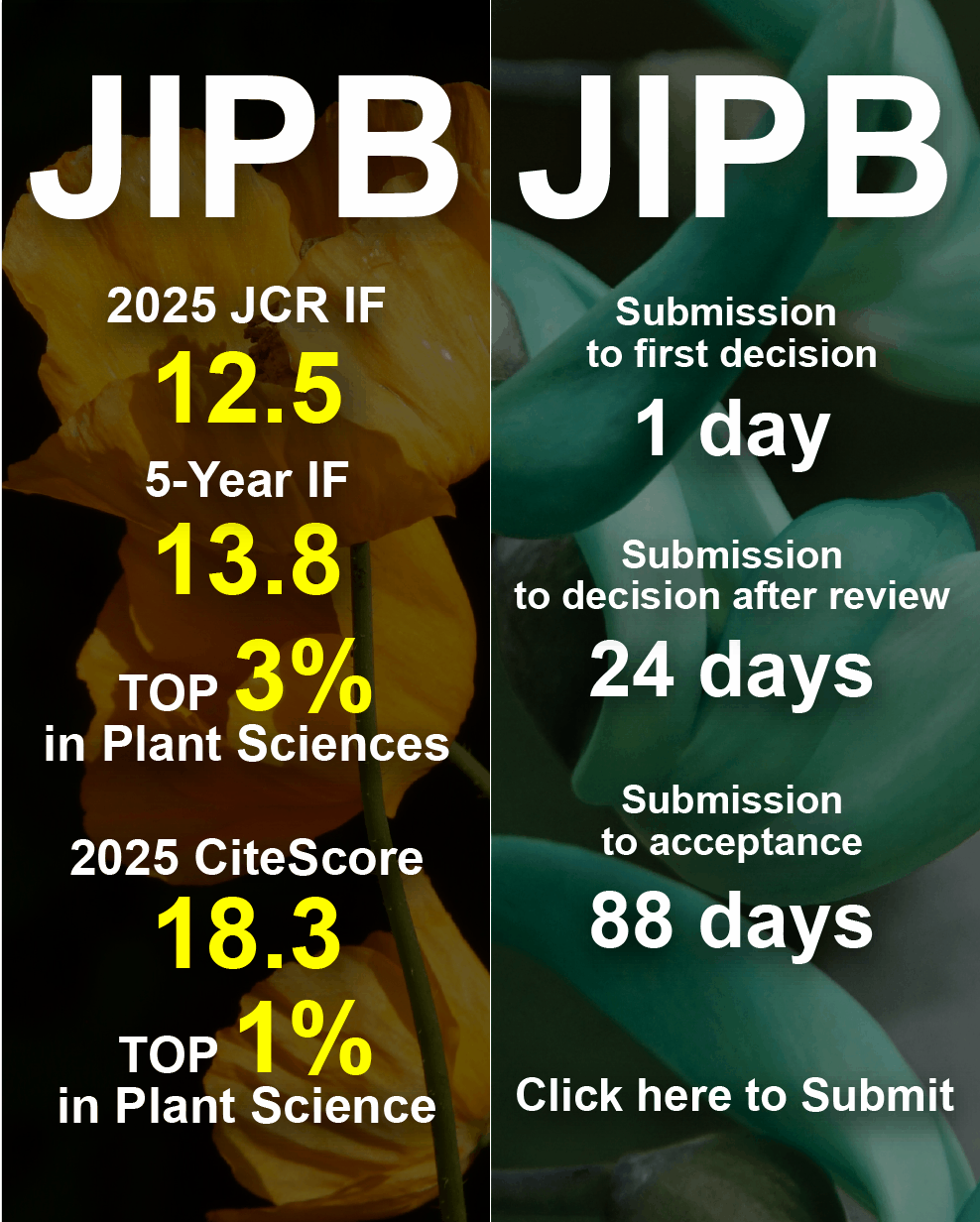









 Scan the QR code to view JIPB on WeChat