Integrative Biology Journals
Login
/
Register
Toggle navigation
JIPB
Home
Journal
About the Journal
Aim and Scope
Accepted
Archive
Board Members
JIPB Staff
Editor's Handbook
Promotional Slides
Newsletter
Author Guidelines
Instructions for Authors
Free Access Policy
PubExpress
Ethics in Publishing
Reader Services
Get New Content Alerts
Most-Cited Articles
Most-Accessed Articles
Subscription
Recommend JIPB to Library
Advertising
JIPB at Wiley
Abiotic Stress
Default
Latest
Most Read
Please wait a minute...
For Selected:
Download Citations
EndNote
Reference Manager
ProCite
BibTeX
RefWorks
Toggle Thumbnails
Select
Native genetic switch enhances heat resilience, grain quality, and yield in rice
Muhammad Ali, Xiaohui Ma, Izhar Ali, Shuai Hu
J Integr Plant Biol 2025, 67 (12): 3056-3058.
doi:
10.1111/jipb.70043
Abstract
(Browse
241
) |
Save
References
|
Full Text HTML
|
Full Text PDF
|
Cited By
This commentary describes a study showing that the natural thermo-responsive gene switch
QT12
regulates rice thermotolerance by modulating endoplasmic reticulum stress and storage protein synthesis. Dual transcriptional controls optimize grain quality and yield under heat stress. Multi-site field trials validated
QT12
s potential for breeding heat-resilient rice, advancing climate-smart agriculture.
Select
SOS2-FREE1 regulates SOS1 tonoplast sorting to promote Na
+
compartmentalization in vacuole during salt stress response
Guoyong Liu, Xiang Yu, Yonglun Zeng, Baiying Li, Rong Wang, Xiangfeng Wang, Xiaoyun Zhao, Liwen Jiang, Yan Guo
J Integr Plant Biol 2025, 67 (10): 2545-2560.
DOI:
10.1111/jipb.13970
Abstract
(Browse
487
) |
Save
Soil salinity significantly affects plant survival and limits crop productivity. Under salt stress, plants can transport sodium ions (Na
+
) out of cells and sequester them into vacuoles for detoxification. The salt excretion process is governed by the SALT OVERLY SENSITIVE (SOS) pathway, which involves the calcium sensors SOS3 and SOS3-LIKE CALCIUM BINDING PROTEIN 8, the protein kinase SOS2, and the plasma membrane Na
+
/H
+
antiporter SOS1. While previous studies have provided insights into Na
+
transport through the SOS system, the role of this pathway in Na
+
compartmentalization within vacuoles remains poorly understood. In this study, we demonstrate that SOS1 partially internalizes to the tonoplast under salt stress, which is crucial for Na
+
compartmentalization in vacuoles in Arabidopsis (
Arabidopsis thaliana
). We show that SOS2 phosphorylates the endosomal sorting complex required for transport-I (ESCRT-I) component FYVE DOMAIN PROTEIN REQUIRED FOR ENDOSOMAL SORTING 1 (FREE1), which disrupts its interaction with VPS23A, an ESCRT-I component. This phosphorylation event inhibits the formation of intraluminal vesicles (ILVs) in prevacuolar compartments and multivesicular bodies (PVCs/MVBs), thereby remodeling endosomal sorting during salt stress. Additionally, our previous research indicated that SOS2-mediated phosphorylation of FREE1 leads to vacuole fragmentation by altering endomembrane fusion, thereby regulating intracellular Na
+
homeostasis. Taken together, our findings reveal how the SOS2-FREE1 module orchestrates both endomembrane fusion and endosome sorting processes to enhance plant salt tolerance, providing novel insights into the cellular mechanisms underlying salt stress adaptation.
References
|
Full Text HTML
|
Full Text PDF
|
Cited By
Salt stress induces internalization of the plasma membrane–localized Na
+
/H
+
antiporter SALT OVERLY SENSITIVE1 (SOS1) to the tonoplast, promoting vacuolar Na
+
sequestration but SOS1 is not essential for plant salt tolerance. SOS2-mediated phosphorylation of the ESCRT-I component FREE1 regulates endosomal trafficking and facilitates SOS1 targeting to the tonoplast.
Select
Tomato TGase positively regulates thermotolerance by inducing polyamine to activate autophagy
Min Zhong, Qingshen Cui, Yan Yang, Ke Zhang, Xiaoying Liu, Guan Pang, Lifei Yang, Shirong Guo, Jin Sun, Yu Wang
J Integr Plant Biol 2025, 67 (9): 2350-2365.
DOI:
10.1111/jipb.13955
Abstract
(Browse
291
) |
Save
Transglutaminases (TGases) are multifunctional enzymes involved in stress responses, while autophagy is a key cellular degradation process. However, the relationship between TGases and autophagy in the plant heat stress response remains poorly understood. In this study, we demonstrated that TGase was essential for heat tolerance by regulating autophagy. Heat stress induced both
TGase
expression and activity. The
tgase
mutants reduced, while
TGase
-overexpression (
TGase
OE) lines increased plant thermotolerance. Under heat stress, insoluble proteins were more ubiquitinated in
tgase
mutants and less so in
TGase
OE plants. Moreover, TGase promoted the expression of autophagy-related (
ATG
) genes and autophagosome formation. Polyamine content and the expression of polyamine-related genes, particularly
SAMS2
, were positively correlated with TGase activity. TGase interacted with SAMS2 both
in vitro
and
in vivo
, and knockout of
SAMS2
impaired TGase-induced thermotolerance and autophagosome formation in
TGase
OE plants. Exogenous spermidine also promoted autophagosome formation in
tgase
mutants, indicating a critical role of polyamine in TGase-mediated heat tolerance and autophagosome formation. Furthermore, a cell-free degradation assay showed that TGase enhanced the stability of SAMS2. Altogether, these results reveal that TGase interacts with and stabilizes SAMS2 to promote polyamine synthesis, which upregulates
ATG
gene expression and facilitates autophagosome formation to degrade ubiquitinated proteins, thereby enhancing the thermotolerance of tomato plants.
References
|
Full Text HTML
|
Full Text PDF
|
Cited By
Transglutaminase interacts with and stabilizes S-adenosylmethionine synthetase 2, a key protein in polyamide synthesis, to promote the accumulation of polyamine, which upregulates the expression of autophagy-related genes and facilitates autophagosome formation to degrade ubiquitinated proteins, resulting in enhancing thermotolerance of tomato plants.
Select
GIGANTEA-LATE ELONGATED HYPOCOTYL complex regulates citrus drought tolerance and drought induced flowering
Tian-Liang Zhang, Min Chen, Yong-Huan Wan, Jian-Yun Qiu, Yong-Zhen Wen, Zhi-Meng Gan, Zhong-Xiang Ma, Wen-Feng Wang, Jing-Jing Zhou, Yu-Xia Du, Chun-Gen Hu, Jin-Zhi Zhang
J Integr Plant Biol 2025, 67 (9): 2366-2387.
DOI:
10.1111/jipb.13956
Abstract
(Browse
378
) |
Save
Drought severely impedes plant growth and production as a primary abiotic stress.
GIGANTEA
(
GI
) regulates flowering and responds to various stresses in model plants; however, its function remains poorly understood in non-model plants. In this study, a
Citrus limon
GI homologous (
CiGI
) was identified and two alternative splicing transcripts (
CiGIα
and
CiGIβ
) were found.
CiGIα
overexpressing tobacco exhibited early flowering and drought sensitivity, whereas the phenotype of
CiGIβ
-overexpressing plants was similar to that of wild-type (WT) plants. Overexpression of
CiGIα
in citrus increased drought sensitivity and upregulated
citrus FLOWERING LOCUS T
(
CiFT
) expression, and downregulation of
CiGI
enhanced drought tolerance. Further studies revealed that CiGIα, CiGIβ, and LATE ELONGATED HYPOCOTYL (CiLHY) form a complex that binds to the
Nuclear Factor YA1
(
CiNF-YA1
) promoter and activates its expression. Subsequently, CiNF-YA1 activates the expression of
NADP-DEPENDENT MALIC ENZYME 2
(
CiNADP-ME2
) by binding its promoter, leading to increased reactive oxygen species (ROS) accumulation, which enhances plant drought sensitivity. Exogenous ROS treatment induced citrus flowering and reduced drought tolerance. Furthermore, the CiGI–CiLHY complex also activates
CiFT
and may participate in the regulation of citrus flowering. These results reveal a novel mechanism by which
CiGI
regulates citrus flowering and drought tolerance.
References
|
Full Text HTML
|
Full Text PDF
|
Cited By
Under drought conditions, alternative splicing of citrus
GIGANTEA
(
CiGI
) produces CiGIα and CiGIβ, which form trimeric complexes with LATE ELONGATED HYPOCOTYL to activate
FLOWERING LOCUS
T
expression and reactive oxygen species accumulation, thus promoting flowering and increasing drought sensitivity.
Select
The silicon efflux transporter BEC1 is essential for bloom formation and stress tolerance in cucumber
Changxuan Xia, Aijun Mao, Shanshan Yin, Huitong Teng, Caijiao Jin, Jian Zhang, Ying Li, Rui Dong, Tao Wu, Changlong Wen
J Integr Plant Biol 2025, 67 (7): 1895-1909.
doi:
10.1111/jipb.13917
Abstract
(Browse
339
) |
Save
Silicon (Si) plays a crucial role in plant growth, development, and stress tolerance. However, in some consumable plant products, such as fruits, Si deposition leads to the formation of a white powdery layer known as bloom, which diminishes glossiness and consumer appeal. Despite its significance, the genetic basis of bloom formation remains largely unexplored. Here, we identified a unique cucumber backbone parent line exhibiting bloomless fruit, which was designated
bloomless cucumber 1
(
bec1
). Map-based cloning of the
bec1
locus revealed that
BEC1
, harboring a natural C-to-T variation at the 754th base of its coding region, is a strong candidate gene for the bloomless trait. Functional validation through gene-editing mutants and
BEC1::BEC1-GFP
transgenic lines confirmed that
BEC1
, encoding a Si efflux transporter, is responsible for bloom formation. Mutation of
BEC1
impaired Si uptake, thereby preventing the deposition of Si on the surface of glandular trichomes and resulting in bloomless fruits. Additionally, Si deficiency in
BEC1
mutants compromised resistance to
Corynespora cassiicola
and chilling stress. Interestingly, grafting
bec1
scions onto bloom rootstocks restored the Si accumulation and stress resistance, while maintaining bloomless phenotype. Overall, our findings elucidate the role of
BEC1
in bloom formation and provide a valuable genetic target for breeding bloomless cucumber with enhanced stress resilience.
References
|
Full Text HTML
|
Full Text PDF
|
Cited By
Mutation of the silicon efflux transporter gene
BEC1
in cucumber impaired silicon uptake, resulting in fruits lacking bloom, the white powdery layer on fruits, and compromising stress resistance. Grafting
bec1
scions onto bloom-competent rootstocks restored the silicon accumulation and stress resistance, while maintaining the bloomless phenotype.
Select
DSD1/ZmICEb
regulates stomatal development and drought tolerance in maize
Wenqi Zhou, Jun Yin, Yuqian Zhou, Yongsheng Li, Haijun He, Yanzhong Yang, Xiaojuan Wang, Xiaorong Lian, Xiaoyun Dong, Zengke Ma, Liang Chen, Suiwen Hou
J Integr Plant Biol 2025, 67 (6): 1487-1500.
doi:
10.1111/jipb.13890
Abstract
(Browse
559
) |
Save
Maize (
Zea mays
L.) growth and yield are severely limited by drought stress worldwide. Stomata play crucial roles in transpiration and gas exchange and are thus essential for improving plant water-use efficiency (WUE) to help plants deal with the threat of drought. In this study, we characterized the maize
dsd1
(
decreased stomatal density 1
) mutant, which showed defects in stomatal development, including guard mother cell differentiation, subsidiary cell formation and guard cell maturation.
DSD1
encodes the basic helix-loop-helix transcription factor INDUCER OF CBF EXPRESSION b (ZmICEb) and is a homolog of
ICE1
in Arabidopsis (
Arabidopsis thaliana
).
DSD1/ZmICEb
is expressed in stomatal file cells throughout stomatal development and plays a conserved role in stomatal development across maize and Arabidopsis. Mutations in
DSD1/ZmICEb
dramatically improved drought tolerance and WUE in maize and reduced yield losses under drought conditions. Therefore,
DSD1/ZmICEb
represents a promising candidate target gene for the genetic improvement of drought tolerance in maize by manipulating stomatal density.
References
|
Full Text HTML
|
Full Text PDF
|
Cited By
DECREASED STOMATAL DENSITY 1/INDUCER OF CBF EXPRESSION b regulates maize stomatal development and drought tolerance, providing a promising target for the genetic improvement of drought tolerance in maize by manipulating stomatal density.
Select
The SlWRKY42–SlMYC2 module synergistically enhances tomato saline–alkali tolerance by activating the jasmonic acid signaling and spermidine biosynthesis pathway
Xiaoyan Liu, Chunyu Shang, Pengyu Duan, Jianyu Yang, Jianbin Wang, Dan Sui, Guo Chen, Xiaojing Li, Guobin Li, Songshen Hu, Xiaohui Hu
J Integr Plant Biol 2025, 67 (5): 1254-1273.
DOI:
10.1111/jipb.13839
Abstract
(Browse
600
) |
Save
Tomato (
Solanum lycopersicum
) is an important crop but frequently experiences saline–alkali stress. Our previous studies have shown that exogenous spermidine (Spd) could significantly enhance the saline–alkali resistance of tomato seedlings, in which a high concentration of Spd and jasmonic acid (JA) exerted important roles. However, the mechanism of Spd and JA accumulation remains unclear. Herein, SlWRKY42, a Group II WRKY transcription factor, was identified in response to saline–alkali stress. Overexpression of
SlWRKY42
improved tomato saline–alkali tolerance. Meanwhile,
SlWRKY42
knockout mutants, exhibited an opposite phenotype. RNA-sequencing data also indicated that
SlWRKY42
regulated the expression of genes involved in JA signaling and Spd synthesis under saline–alkali stress. SlWRKY42 is directly bound to the promoters of
SlSPDS2
and
SlNHX4
to promote Spd accumulation and ionic balance, respectively. SlWRKY42 interacted with SlMYC2. Importantly, SlMYC2 is also bound to the promoter of
SlSPDS2
to promote Spd accumulation and positively regulated saline–alkali tolerance. Furthermore, the interaction of SlMYC2 with SlWRKY42 boosted SlWRKY42's transcriptional activity on
SlSPDS2
, ultimately enhancing the tomato's saline–alkali tolerance. Overall, our findings indicated that
SlWRKY42
and
SlMYC2
promoted saline–alkali tolerance by the Spd biosynthesis pathway. Thus, this provides new insight into the mechanisms of plant saline–alkali tolerance responses triggered by polyamines (PAs).
References
|
Full Text HTML
|
Full Text PDF
|
Cited By
The tomato transcription factors SlWRKY42 and SlMYC2 enhance the transcription of the spermine synthase gene SlSPDS2, leading to increased spermidine accumulation. Additionally, SlWRKY42 boosts the transcription of the gene encoding the sodium-hydrogen exchanger SlNHX4, which mitigates ion toxicity under saline-alkali stress.
Select
An integrative overview of cold response and regulatory pathways in horticultural crops
Huijia Kang, Hannah Rae Thomas, Xiaojian Xia, Huanran Shi, Limeng Zhang, Jiachen Hong, Kai Shi, Jie Zhou, Jingquan Yu, Yanhong Zhou
J Integr Plant Biol 2025, 67 (4): 1028-1059.
DOI:
10.1111/jipb.13903
Abstract
(Browse
529
) |
Save
Global climate change challenges agricultural production, as extreme temperature fluctuations negatively affect crop growth and yield. Low temperature (LT) stress impedes photosynthesis, disrupts metabolic processes, and compromises the integrity of cell membranes, ultimately resulting in diminished yield and quality. Notably, many tropical or subtropical horticultural plants are particularly susceptible to LT stress. To address these challenges, it is imperative to understand the mechanisms underlying cold tolerance in horticultural crops. This review summarizes recent advances in the physiological and molecular mechanisms that enable horticultural crops to withstand LT stress, emphasizing discrepancies between horticultural crops and model systems. These mechanisms include C-repeat binding factor-dependent transcriptional regulation, post-translational modifications, epigenetic control, and metabolic regulation. Reactive oxygen species, plant hormones, and light signaling pathways are integrated into the cold response network. Furthermore, technical advances for improving cold tolerance are highlighted, including genetic improvement, the application of light-emitting diodes, the utility of novel plant growth regulators, and grafting. Finally, prospective directions for fundamental research and practical applications to boost cold tolerance are discussed.
References
|
Full Text HTML
|
Full Text PDF
|
Cited By
This review summarizes recent advances in understanding how horticultural crops withstand cold stress, emphasizing discrepancies between horticultural crops and model systems, and highlighting advances for improving cold tolerance, including genetic improvement, the application of light-emitting diodes, novel plant growth regulators, and grafting. Research directions to boost cold tolerance are discussed.
Select
Survival mechanisms of plants under hypoxic stress: Physiological acclimation and molecular regulation
Lin-Na Wang, Wei-Cheng Wang, Ke Liao, Ling-Jing Xu, Dao-Xin Xie, Ruo-Han Xie, Shi Xiao
J Integr Plant Biol 2025, 67 (3): 440-454.
doi:
10.1111/jipb.13880
Abstract
(Browse
485
) |
Save
Hypoxia (low-oxygen tension) caused by complete submergence or waterlogging is an abiotic stress factor that severely affects the yield and distribution of plants. To adapt to and survive under hypoxic conditions, plants employ several physiological and molecular strategies that integrate morphological acclimation, metabolic shifts, and signaling networks. Group VII ETHYLENE RESPONSE FACTORS (ERF-VIIs), master transcription factors, have emerged as a molecular hub for regulating plant hypoxia sensing and signaling. Several mitogen-activated protein kinases and calcium-dependent protein kinases have recently been reported to be involved in potentiating hypoxia signaling via interaction with and phosphorylation of ERF-VIIs. Here, we provide an overview of the current knowledge on the regulatory network of ERF-VIIs and their post-translational regulation in determining plant responses to hypoxia and reoxygenation, with a primary focus on recent advancements in understanding how signaling molecules, including ethylene, long-chain acyl-CoA, phosphatidic acid, and nitric oxide, are involved in the regulation of ERV-VII activities. Furthermore, we propose future directions for investigating the intricate crosstalk between plant growth and hypoxic resilience, which is central to guiding breeding and agricultural management strategies for promoting flooding and submergence stress tolerance in plants.
References
|
Full Text HTML
|
Full Text PDF
|
Cited By
This review provides a summary of the regulatory network of ERF-VIIs and their post-translational regulation in plant responses to hypoxia and reoxygenation, with a particular focus on recent advancements in understanding how signaling molecules, including phytohormones, lipids, and NO, are involved in the regulation of ERV-VII activities.
Select
The interaction of nutrient uptake with biotic and abiotic stresses in plants
Lingyan Wang, Chuanfeng Ju, Chao Han, Zhenghao Yu, Ming-Yi Bai, Cun Wang
J Integr Plant Biol 2025, 67 (3): 455-487.
doi:
10.1111/jipb.13827
Abstract
(Browse
507
) |
Save
Plants depend heavily on efficient nutrient uptake and utilization for optimal growth and development. However, plants are constantly subjected to a diverse array of biotic stresses, such as pathogen infections, insect pests, and herbivory, as well as abiotic stress like drought, salinity, extreme temperatures, and nutrient imbalances. These stresses significantly impact the plant's ability to take up nutrient and use it efficiency. Understanding how plants maintain nutrient uptake and use efficiency under biotic and abiotic stress conditions is crucial for improving crop resilience and sustainability. This review explores the recent advancements in elucidating the mechanisms underlying nutrient uptake and utilization efficiency in plants under such stress conditions. Our aim is to offer a comprehensive perspective that can guide the breeding of stress-tolerant and nutrition-efficient crop varieties, ultimately contributing to the advancement of sustainable agriculture.
References
|
Full Text HTML
|
Full Text PDF
|
Cited By
This review explores how plants maintain nutrient uptake and use efficiency under biotic and abiotic stress, which is crucial for improving crop resilience and sustainability, and examines recent advancements in elucidating these mechanisms to guide the breeding of stress-tolerant, nutrition-efficient crop varieties for sustainable agriculture.
Select
TaGPAT6 enhances salt tolerance in wheat by synthesizing cutin and suberin monomers to form a diffusion barrier
Wenlong Wang, Menghan Chi, Shupeng Liu, Ying Zhang, Jiawang Song, Guangmin Xia, Shuwei Liu
J Integr Plant Biol 2025, 67 (2): 208-225.
DOI:
10.1111/jipb.13808
Abstract
(Browse
452
) |
Save
One mechanism plants use to tolerate high salinity is the deposition of cutin and suberin to form apoplastic barriers that limit the influx of ions. However, the mechanism underlying barrier formation under salt stress is unclear. Here, we characterized the glycerol-3-phosphate acyltransferase (GPAT) family gene
TaGPAT6
, encoding a protein involved in cutin and suberin biosynthesis for apoplastic barrier formation in wheat (
Triticum aestivum
). TaGPAT6 has both acyltransferase and phosphatase activities, which are responsible for the synthesis of
sn
-2-monoacylglycerol (
sn
-2 MAG), the precursor of cutin and suberin. Overexpressing
TaGPAT6
promoted the deposition of cutin and suberin in the seed coat and the outside layers of root tip cells and enhanced salt tolerance by reducing sodium ion accumulation within cells. By contrast,
TaGPAT6
knockout mutants showed increased sensitivity to salt stress due to reduced cutin and suberin deposition and enhanced sodium ion accumulation. Yeast-one-hybrid and electrophoretic mobility shift assays identified TaABI5 as the upstream regulator of
TaGPAT6
.
TaABI5
knockout mutants showed suppressed expression of
TaGPAT6
and decreased barrier formation in the seed coat. These results indicate that TaGPAT6 is involved in cutin and suberin biosynthesis and the resulting formation of an apoplastic barrier that enhances salt tolerance in wheat.
References
|
Full Text HTML
|
Full Text PDF
|
Cited By
During salt stress, increased Na+ and abscisic acid activate the transcription factor ABI5 to promote the expression of
TaGPAT6
, encoding a glycerol-3-phosphate acyltransferase involved in the synthesis of cutin and suberin polyesters, which functions as an apoplastic barrier to restrict the influx of Na+ into cells.
Select
Tolerance to multiple abiotic stresses is mediated by interacting CNGC proteins that regulate Ca
2+
influx and stomatal movement in rice
Lilin Luo, Yongmei Cui, Nana Ouyang, Shuying Huang, Xiaoli Gong, Lihui Wei, Baohong Zou, Jian Hua, Shan Lu
J Integr Plant Biol 2025, 67 (2): 226-242.
DOI:
10.1111/jipb.13829
Abstract
(Browse
429
) |
Save
Members of the cyclic nucleotide-gated channel (CNGC) proteins are reportedly involved in a variety of biotic and abiotic responses and stomatal movement. However, it is unknown if and how a single member could regulate multiple responses. Here we characterized three closely related
CNGC
genes in rice,
OsCNGC14
,
OsCNGC15
and
OsCNGC16
, to determine whether they function in multiple abiotic stresses. The loss-of-function mutants of each of these three genes had reduced calcium ion (Ca
2+
) influx and slower stomatal closure in response to heat, chilling, drought and the stress hormone abscisic acid (ABA). These mutants also had reduced tolerance to heat, chilling and drought compared with the wild-type. Conversely, overexpression of
OsCNGC16
led to a more rapid stomatal closure response to stresses and enhanced tolerance to heat, chilling and drought. The tight association of stomatal closure and stress tolerance strongly suggests that tolerance to multiple abiotic stresses conferred by these
OsCNGC
genes results at least partially from their regulation of stomatal movement. In addition, physical interactions were observed among the three OsCNGC proteins but not with a distantly related CNGC, suggesting the formation of hetero-oligomers among themselves. This study unveils the crucial role of OsCNGC14, 15 and 16 proteins in stomatal response and tolerance to multiple stresses, suggesting a mechanism of tolerance to multiple stresses that involves calcium influx and stomatal movement regulation.
References
|
Full Text HTML
|
Full Text PDF
|
Cited By
The closely related cyclic nucleotide-gated channel genes OsCNGC14, 15, and 16 positively regulate tolerance to multiple abiotic stresses including heat, chilling and drought in rice. They also promote stomatal closure and calcium ion influx in response to multiple stresses that are tightly associated with their function in stress tolerance.
Select
TaWRKY55–TaPLATZ2 module negatively regulate saline–alkali stress tolerance in wheat
Lin Wei, Xinman Ren, Lumin Qin, Rong Zhang, Minghan Cui, Guangmin Xia, Shuwei Liu
J Integr Plant Biol 2025, 67 (1): 19-34.
DOI:
10.1111/jipb.13793
Abstract
(Browse
654
) |
Save
Saline–alkaline soils are a major environmental problem that limit plant growth and crop productivity. Plasma membrane H
+
-ATPases and the salt overly sensitive (SOS) signaling pathway play important roles in plant responses to saline–alkali stress. However, little is known about the functional genes and mechanisms regulating the transcription of H
+
-ATPases and SOS pathway genes under saline–alkali stress. In the present study, we identified that the plant AT-rich sequence and zinc-binding (TaPLATZ2) transcription factor are involved in wheat response to saline–alkali stress by directly suppressing the expression of
TaHA2/TaSOS3
. The knockdown of
TaPLATZ2
enhances salt and alkali stress tolerance, while overexpression of
TaPLATZ2
leads to salt and alkali stress sensitivity in wheat. In addition, TaWRKY55 directly upregulated the expression of
TaPLATZ2
during saline–alkali stress. Through knockdown and overexpression of
TaWRKY55
in wheat, TaWRKY55 was shown to negatively modulate salt and alkali stress tolerance. Genetic analyses confirmed that
TaPLATZ2
functions downstream of
TaWRKY55
in response to salt and alkaline stresses. These findings provide a TaWRKY55–TaPLATZ2–
TaHA2/TaSOS3
regulatory module that regulates wheat responses to saline–alkali stress.
References
|
Full Text HTML
|
Full Text PDF
|
Cited By
The TaWRKY55-TaPLATZ2 transcription factor module regulates saline-alkali stress responses in wheat by inhibiting the expression of the H+-ATPase geneTaHA2 and the salt overly sensitive (SOS) pathway gene TaSOS3.
Select
The
LpHsfA2
-molecular module confers thermotolerance via fine tuning of its transcription in perennial ryegrass (
Lolium perenne
L.)
Guangjing Ma, Zhihao Liu, Shurui Song, Jing Gao, Shujie Liao, Shilong Cao, Yan Xie, Liwen Cao, Longxing Hu, Haichun Jing, Liang Chen
J Integr Plant Biol 2024, 66 (11): 2346-2361.
doi:
10.1111/jipb.13789
Abstract
(Browse
364
) |
Save
Temperature sensitivity and tolerance play a key role in plant survival and production. Perennial ryegrass (
Lolium perenne
L.), widely cultivated in cool-season for forage supply and turfgrass, is extremely susceptible to high temperatures, therefore serving as an excellent grass for dissecting the genomic and genetic basis of high-temperature adaptation. In this study, expression analysis revealed that
LpHsfA2
, an important gene associated with high-temperature tolerance in perennial ryegrass, is rapidly and substantially induced under heat stress. Additionally, heat-tolerant varieties consistently display elevated expression levels of
LpHsfA2
compared with heat-sensitive ones. Comparative haplotype analysis of the
LpHsfA2
promoter indicated an uneven distribution of two haplotypes (
HsfA2
Hap1
and
HsfA2
Hap2
) across varieties with differing heat tolerance. Specifically, the
HsfA2
Hap1
allele is predominantly present in heat-tolerant varieties, while the
HsfA2
Hap2
allele exhibits the opposite pattern. Overexpression of
LpHsfA2
confers enhanced thermotolerance, whereas silencing of
LpHsfA2
compromises heat tolerance. Furthermore,
LpHsfA2
orchestrates its protective effects by directly binding to the promoters of
LpHSP18
.2 and
LpAPX1
to activate their expression, preventing the non-specific misfolding of intracellular protein and the accumulation of reactive oxygen species in cells. Additionally, LpHsfA4 and LpHsfA5 were shown to engage directly with the promoter of
LpHsfA2
, upregulating its expression as well as the expression of
LpHSP18
.2 and
LpAPX1
, thus contributing to enhanced heat tolerance. Markedly, LpHsfA2 possesses autoregulatory ability by directly binding to its own promoter to modulate the self-transcription. Based on these findings, we propose a model for modulating the thermotolerance of perennial ryegrass by precisely regulating the expression of LpHsfA2. Collectively, these findings provide a scientific basis for the development of thermotolerant perennial ryegrass cultivars.
References
|
Full Text HTML
|
Full Text PDF
|
Cited By
In perennial ryegrass (
Lolium perenne)
, the heat shock factors LpHsfA2/4/5 influence heat tolerance by self-regulating and regulating the expression of the heat-shock protein gene
LpHSP18
.2 and the ascorbate peroxidase gene
LpAPX1
. Natural variation in the
LpHsfA2
promoter region leads to differences in heat tolerance in perennial ryegrass germplasm.
Select
STOP1 regulates CCX1-mediated Ca
2+
homeostasis for plant adaptation to Ca
2+
deprivation
Wen Hao Tian, Wen Yan Cai, Chun Quan Zhu, Ya Li Kong, Xiao Chuang Cao, Lian Feng Zhu, Jia Yuan Ye, Jun Hua Zhang, Shao Jian Zheng
J Integr Plant Biol 2024, 66 (10): 2126-2139.
DOI:
10.1111/jipb.13754
Abstract
(Browse
500
) |
Save
Calcium (Ca) is essential for plant growth and stress adaptation, yet its availability is often limited in acidic soils, posing a major threat to crop production. Understanding the intricate mechanisms orchestrating plant adaptation to Ca deficiency remains elusive. Here, we show that the Ca deficiency-enhanced nuclear accumulation of the transcription factor SENSITIVE TO PROTON RHIZOTOXICITY 1 (STOP1) in
Arabidopsis thaliana
confers tolerance to Ca deprivation, with the global transcriptional responses triggered by Ca deprivation largely impaired in the
stop1
mutant. Notably, STOP1 activates the Ca deprivation-induced expression of
CATION/Ca
2+
EXCHANGER 1 (CCX1)
by directly binding to its promoter region, which facilitates Ca
2+
efflux from endoplasmic reticulum to cytosol to maintain Ca homeostasis. Consequently, the constitutive expression of
CCX1
in the
stop1
mutant partially rescues the Ca deficiency phenotype by increasing Ca content in the shoots. These findings uncover the pivotal role of the STOP1-CCX1 axis in plant adaptation to low Ca, offering alternative manipulating strategies to improve plant Ca nutrition in acidic soils and extending our understanding of the multifaceted role of STOP1.
References
|
Full Text HTML
|
Full Text PDF
|
Cited By
Calcium ion deficiency induces nuclear accumulation of the transcription factor STOP1, which directly activates the expression of
CATION/CALCIUM EXCHANGER1
, thus facilitating calcium efflux from the endoplasmic reticulum to the cytosol to maintain calcium homeostasis in
Arabidopsis
.
Select
The combination of a microbial and a non-microbial biostimulant increases yield in lettuce (
Lactuca sativa
) under salt stress conditions by up-regulating cytokinin biosynthesis
Patricia Benito, Marina Celdrán, Javier Bellón, Vicente Arbona, Miguel González-Guzmán, Rosa Porcel, Lynne Yenush, José M. Mulet
J Integr Plant Biol 2024, 66 (10): 2140-2157.
doi:
10.1111/jipb.13755
Abstract
(Browse
273
) |
Save
Salinization poses a significant challenge in agriculture, exacerbated by anthropogenic global warming. Biostimulants, derived from living microorganisms or natural extracts, have emerged as valuable tools for conventional and organic agriculture. However, our understanding of the molecular mechanisms underlying the effects of biostimulants is very limited, especially in crops under real cultivation conditions. In this study, we adopted an integrative approach to investigate the effectiveness of the combined application of plant growth-promoting bacterium (
Bacillus megaterium
strain BM08) and a non-microbial biostimulant under control conditions (normal watering) and salt stress. After confirming the yield increase under both conditions, we investigated the molecular mechanisms underlying the observed effect by measuring a number of physiological parameters (i.e., lipid peroxidation, antioxidants, chlorophylls, total phenolics and phytohormone content), as well as RNA sequencing and primary metabolite analyses. Our findings reveal that the combined effect of the microbial and non-microbial biostimulants led to a decrease in the antioxidant response and an up-regulation of genes involved in cytokinin biosynthesis under salt stress conditions. This, in turn, resulted in a higher concentration of the bioactive cytokinin, isopentenyladenosine, in roots and leaves and an increase in γ-aminobutyric acid, a non-proteic amino acid related to abiotic stress responses. In addition, we observed a decrease in malic acid, along with an abscisic acid (ABA)-independent up-regulation of SR-kinases, a family of protein kinases associated with abiotic stress responses. Furthermore, we observed that the single application of the non-microbial biostimulant triggers an ABA-dependent response under salt stress; however, when combined with the microbial biostimulant, it potentiated the mechanisms triggered by the BM08 bacterial strain. This comprehensive investigation shows that the combination of two biostimulants is able to elicit a cytokinin-dependent response that may explain the observed yield increase under salt stress conditions.
References
|
Full Text HTML
|
Full Text PDF
|
Cited By
The combination of a microbial and a non-microbial biostimulant increased yield of lettuce under salt stress. Application of the non-microbial biostimulant triggered an abscisic acid-dependent response and, when applied with the microbial biostimulant, potentiated the responses triggered by the microbial biostimulant and elicited a cytokinin-dependent response.
Select
Proteomic dynamics revealed sex-biased responses to combined heat-drought stress in
Marchantia
Sara Guerrero, Víctor Roces, Lara García-Campa, Luis Valledor, Mónica Meijón
J Integr Plant Biol 2024, 66 (10): 2226-2241.
doi:
10.1111/jipb.13753
Abstract
(Browse
317
) |
Save
Recent studies have documented plant responses to climate change extensively, particularly to single-stress exposures. However, critical factors for stress survival, such as sexual differentiation, are not often considered. The dioicous
Marchantia polymorpha
stands as an evolutionary milestone, potentially preserving ancestral traits from the early colonizers. In this study, we employed proteomic analyses complemented with physiological monitoring to investigate combined heat and drought responses in Tak-1 (male) and Tak-2 (female) accessions of this liverwort. Additionally, targeted transcriptomics was conducted using different natural populations from contrasting environments. Our findings revealed sex-biased dynamics among natural accessions, particularly evident under control conditions and during early stress responses. Although Tak-2 exhibited greater diversity than Tak-1 under control conditions, male accession demonstrated distinct and more rapid stress sensing and signaling. These differences in stress response appeared to be strongly related to sex-specific plasticity influenced by geoclimatic origin. Furthermore, we established distinct protein gene ages and genomic distribution trends, underscoring the importance of protein diversification over time. This study provides an evolutionary perspective on sexual divergence and stress emergence employing a systems biology approach, which allowed for the establishment of global and sex-specific interaction networks in the stress response.
References
|
Full Text HTML
|
Full Text PDF
|
Cited By
Sex-biased plasticity is crucial for dioecious liverworts to manage terrestrial pressures and adapt to various environments. Examining the effects of combined heat and drought stress in
Marchantia polymorpha
using a systems biology approach demonstrates how natural variation may have constrained this significant evolutionary step in the plant kingdom.
Select
Maize ZmSRO1e promotes mesocotyl elongation and deep sowing tolerance by inhibiting the activity of ZmbZIP61
Lumin Qin, Fangfang Kong, Lin Wei, Minghan Cui, Jianhang Li, Chen Zhu, Yue Liu, Guangmin Xia, Shuwei Liu
J Integr Plant Biol 2024, 66 (8): 1571-1586.
DOI:
10.1111/jipb.13714
Abstract
(Browse
341
) |
Save
Deep sowing is a traditional method for drought resistance in maize production, and mesocotyl elongation is strongly associated with the ability of maize to germinate from deep soil. However, little is known about the functional genes and mechanisms regulating maize mesocotyl elongation. In the present study, we identified a plant‐specific SIMILAR TO RCD‐ONE (SRO) protein family member, ZmSRO1e, involved in maize mesocotyl elongation. The expression of
ZmSRO1e
is strongly inhibited upon transfer from dark to white light. The loss‐of‐function
zmsro1e
mutant exhibited a dramatically shorter mesocotyl than the wild‐type in both constant light and darkness, while overexpression of
ZmSRO1e
significantly promoted mesocotyl elongation, indicating that ZmSRO1e positively regulates mesocotyl elongation. We showed that ZmSRO1e physically interacted with ZmbZIP61, an ortholog of Arabidopsis ELONGATED HYPOCOTYL 5 (HY5) and showed a function similar to that of HY5 in regulating photomorphogenesis. We found that ZmSRO1e repressed the transcriptional activity of ZmbZIP61 toward target genes involved in the regulation of cell expansion, such as
ZmEXPB4
and
ZmEXPB6
, by interfering with the binding of ZmbZIP61 to the promoters of target genes. Our results provide a new understanding of the mechanism by which SRO regulates photomorphogenesis and highlight its potential application in deep sowing‐resistant breeding.
References
|
Full Text HTML
|
Full Text PDF
|
Cited By
The maize SIMILAR TO RCD-ONE (SRO) protein family member ZmSRO1e functions in regulating mesocotyl elongation and tolerance to deep sowing by interacting with and inhibiting the activity of the transcription factor ZmbZIP61.
Select
Overexpression of tonoplast Ca
2+
‐ATPase in guard cells synergistically enhances stomatal opening and drought tolerance
Jinghan Su, Bingqing He, Peiyuan Li, Baiyang Yu, Qiwen Cen, Lingfeng Xia, Yi Jing, Feibo Wu, Rucha Karnik, Dawei Xue, Michael R. Blatt and Yizhou Wang
J Integr Plant Biol 2024, 66 (8): 1587-1602.
DOI:
10.1111/jipb.13721
Abstract
(Browse
442
) |
Save
Stomata play a crucial role in plants by controlling water status and responding to drought stress. However, simultaneously improving stomatal opening and drought tolerance has proven to be a significant challenge. To address this issue, we employed the OnGuard quantitative model, which accurately represents the mechanics and coordination of ion transporters in guard cells. With the guidance of OnGuard, we successfully engineered plants that overexpressed the main tonoplast Ca
2+
‐ATPase gene,
ACA11
, which promotes stomatal opening and enhances plant growth. Surprisingly, these transgenic plants also exhibited improved drought tolerance due to reduced water loss through their stomata. Again, OnGuard assisted us in understanding the mechanism behind the unexpected stomatal behaviors observed in the
ACA11
overexpressing plants. Our study revealed that the overexpression of
ACA11
facilitated the accumulation of Ca
2+
in the vacuole, thereby influencing Ca
2+
storage and leading to an enhanced Ca
2+
elevation in response to abscisic acid. This regulatory cascade finely tunes stomatal responses, ultimately leading to enhanced drought tolerance. Our findings underscore the importance of tonoplast Ca
2+
‐ATPase in manipulating stomatal behavior and improving drought tolerance. Furthermore, these results highlight the diverse functions of tonoplast‐localized ACA11 in response to different conditions, emphasizing its potential for future applications in plant enhancement.
References
|
Full Text HTML
|
Full Text PDF
|
Cited By
Overexpression of the tonoplast Ca
2+
-ATPase gene
ACA11
increases Ca
2+
accumulation in the vacuole, promoting stomatal opening, carbon assimilation, and plant growth under optimal conditions. However, during drought, the over-accumulation of vacuolar Ca
2+
triggers a larger release of cytosolic Ca
2+
, resulting in stomatal closure and enhancing drought tolerance.
Select
TabHLH27 orchestrates root growth and drought tolerance to enhance water use efficiency in wheat
Dongzhi Wang, Xiuxiu Zhang, Yuan Cao, Aamana Batool, Yongxin Xu, Yunzhou Qiao, Yongpeng Li, Hao Wang, Xuelei Lin, Xiaomin Bie, Xiansheng Zhang, Ruilian Jing, Baodi Dong, Yiping Tong, Wan Teng, Xigang Liu, Jun Xiao
J Integr Plant Biol 2024, 66 (7): 1295-1312.
DOI:
10.1111/jipb.13670
Abstract
(Browse
589
) |
Save
Cultivating high-yield wheat under limited water resources is crucial for sustainable agriculture in semiarid regions. Amid water scarcity, plants activate drought response signaling, yet the delicate balance between drought tolerance and development remains unclear. Through genome-wide association studies and transcriptome profiling, we identified a wheat atypical basic helix-loop-helix (bHLH) transcription factor (TF), TabHLH27-A1, as a promising quantitative trait locus candidate for both relative root dry weight and spikelet number per spike in wheat. TabHLH27-A1/B1/D1 knock-out reduced wheat drought tolerance, yield, and water use efficiency (WUE).
TabHLH27-A1
exhibited rapid induction with polyethylene glycol (PEG) treatment, gradually declining over days. It activated stress response genes such as
TaCBL8-B1
and
TaCPI2-A1
while inhibiting root growth genes like
TaSH15-B1
and
TaWRKY70-B1
under short-term PEG stimulus. The distinct transcriptional regulation of TabHLH27-A1 involved diverse interacting factors such as TaABI3-D1 and TabZIP62-D1. Natural variations of
TabHLH27-A
1 influence its transcriptional responses to drought stress, with
TabHLH27-A1
Hap-II
associated with stronger drought tolerance, larger root system, more spikelets, and higher WUE in wheat. Significantly, the excellent
TabHLH27-A1
Hap-II
was selected during the breeding process in China, and introgression of
TabHLH27-A1
Hap-II
allele improved drought tolerance and grain yield, especially under water-limited conditions. Our study highlights TabHLH27-A1's role in balancing root growth and drought tolerance, providing a genetic manipulation locus for enhancing WUE in wheat.
References
|
Full Text HTML
|
Full Text PDF
|
Cited By
The transcription factor TabHLH27-A1 orchestrates wheat root growth and drought tolerance, with an elite allele of
TabHLH27-A1
improving yield under water scarcity, thus providing a breeding target for enhancing water use efficiency in wheat.
Select
ACBP4-WRKY70-
RAP2.12
module positively regulates submergence-induced hypoxia response in
Arabidopsis thaliana
Mengyun Guo, Yingjun Yao, Kangqun Yin, Luna Tan, Meng Liu, Jing Hou, Han Zhang, Ruyun Liang, Xinran Zhang, Heng Yang, Xiaoxiao Chen, Jinrui Tan, Yan Song, Shangling Lou, Liyang Chen, Xuejing Liu, Si Tang, Yongqi Hu, Jin Yan, Wensen Fu, Kai Yang, Ruijia Zhang, Xuerui Li, Yao Liu, Zhen Yan, Wei Liu, Yu Han, Jianquan Liu, Kangshan Mao and Huanhuan Liu
J Integr Plant Biol 2024, 66 (6): 1052-1067.
doi:
10.1111/jipb.13647
Abstract
(Browse
456
) |
Save
ACYL-CoA-BINDING PROTEINs (ACBPs) play crucial regulatory roles during plant response to hypoxia, but their molecular mechanisms remain poorly understood. Our study reveals that ACBP4 serves as a positive regulator of the plant hypoxia response by interacting with WRKY70, influencing its nucleocytoplasmic shuttling in
Arabidopsis thaliana
. Furthermore, we demonstrate the direct binding of WRKY70 to the
ACBP4
promoter, resulting in its upregulation and suggesting a positive feedback loop. Additionally, we pinpointed a phosphorylation site at Ser638 of ACBP4, which enhances submergence tolerance, potentially by facilitating WRKY70′s nuclear shuttling. Surprisingly, a natural variation in this phosphorylation site of ACBP4 allowed
A. thaliana
to adapt to humid conditions during its historical demographic expansion. We further observed that both phosphorylated ACBP4 and oleoyl-CoA can impede the interaction between ACBP4 and WRKY70, thus promoting WRKY70's nuclear translocation. Finally, we found that the overexpression of orthologous
BnaC5.ACBP4
and
BnaA7.WRKY70
in Brassica napus increases submergence tolerance, indicating their functional similarity across genera. In summary, our research not only sheds light on the functional significance of the
ACBP4
gene in hypoxia response, but also underscores its potential utility in breeding flooding-tolerant oilseed rape varieties.
References
|
Full Text HTML
|
Full Text PDF
|
Cited By
ACYL-CoA-BINDING PROTEIN4 helps
Arabidopsis
plants acclimate to low-oxygen conditions by interacting with the transcription factor WRKY70, promoting WRKY70 movement into the cell nucleus and thus enhancing the plant’s ability to survive submergence. Manipulating
BnaC5.ACBP4
and
BnaA7.WRKY70
could improve flooding tolerance in
Brassica napus
, a key oilseed crop.
Select
Autophagy receptor ZmNBR1 promotes the autophagic degradation of ZmBRI1a and enhances drought tolerance in maize
Yang Xiang, Guangdong Li, Qian Li, Yingxue Niu, Yitian Pan, Yuan Cheng, Xiangli Bian, Chongyang Zhao, Yuanhong Wang and Aying Zhang
J Integr Plant Biol 2024, 66 (6): 1068-1086.
DOI:
10.1111/jipb.13662
Abstract
(Browse
405
) |
Save
Drought stress is a crucial environmental factor that limits plant growth, development, and productivity. Autophagy of misfolded proteins can help alleviate the damage caused in plants experiencing drought. However, the mechanism of autophagy-mediated drought tolerance in plants remains largely unknown. Here, we cloned the gene for a maize (
Zea mays
) selective autophagy receptor,
NEXT TO BRCA1 GENE 1
(
ZmNBR1
), and identified its role in the response to drought stress. We observed that drought stress increased the accumulation of autophagosomes. RNA sequencing and reverse transcription-quantitative polymerase chain reaction showed that
ZmNBR1
is markedly induced by drought stress.
ZmNBR1
overexpression enhanced drought tolerance, while its knockdown reduced drought tolerance in maize. Our results established that
ZmNBR1
mediates the increase in autophagosomes and autophagic activity under drought stress. ZmNBR1 also affects the expression of genes related to autophagy under drought stress. Moreover, we determined that BRASSINOSTEROID INSENSITIVE 1A (ZmBRI1a), a brassinosteroid receptor of the BRI1-like family, interacts with ZmNBR1. Phenotype analysis showed that ZmBRI1a negatively regulates drought tolerance in maize, and genetic analysis indicated that ZmNBR1 acts upstream of ZmBRI1a in regulating drought tolerance. Furthermore, ZmNBR1 facilitates the autophagic degradation of ZmBRI1a under drought stress. Taken together, our results reveal that ZmNBR1 regulates the expression of autophagy-related genes, thereby increasing autophagic activity and promoting the autophagic degradation of ZmBRI1a under drought stress, thus enhancing drought tolerance in maize. These findings provide new insights into the autophagy degradation of brassinosteroid signaling components by the autophagy receptor NBR1 under drought stress.
References
|
Full Text HTML
|
Full Text PDF
|
Cited By
Degradation of the brassinosteroid signaling component BRASSINOSTEROID INSENSITIVE 1A by the autophagy receptor NEXT TO BRCA1 GENE 1 enhances the response to drought stress in maize.
Select
UVR8-TCP4-LOX2 module regulates UV-B tolerance in Arabidopsis
Cheng Li, Jiancan Du, Huini Xu, Zhenhua Feng, Caspar C. C. Chater, Yuanwen Duan, Yongping Yang and Xudong Sun
J Integr Plant Biol 2024, 66 (5): 897-908.
doi:
10.1111/jipb.13648
Abstract
(Browse
475
) |
Save
The phytohormone jasmonate (JA) coordinates stress and growth responses to increase plant survival in unfavorable environments. Although JA can enhance plant UV-B stress tolerance, the mechanisms underlying the interaction of UV-B and JA in this response remain unknown. In this study, we demonstrate that the UV RESISTANCE LOCUS 8 - TEOSINTE BRANCHED1, Cycloidea and PCF 4 - LIPOXYGENASE2 (UVR8-TCP4-LOX2) module regulates UV-B tolerance dependent on JA signaling pathway in
Arabidopsis thaliana
. We show that the nucleus-localized UVR8 physically interacts with TCP4 to increase the DNA-binding activity of TCP4 and upregulate the JA biosynthesis gene
LOX2
. Furthermore, UVR8 activates the expression of
LOX2
in a TCP4-dependent manner. Our genetic analysis also provides evidence that TCP4 acts downstream of UVR8 and upstream of
LOX2
to mediate plant responses to UV-B stress. Our results illustrate that the UV-B-dependent interaction of UVR8 and TCP4 serves as an important UVR8-TCP4-LOX2 module, which integrates UV-B radiation and JA signaling and represents a new UVR8 signaling mechanism in plants.
References
|
Full Text HTML
|
Full Text PDF
|
Cited By
The UV-B-dependent interaction of UV RESISTANCE LOCUS8 and the transcription factor TCP4 upregulated the jasmonic acid biosynthesis gene
LIPOXYGENASE2
, thus integrating UV-B radiation and jasmonate signaling to enhance tolerance to UV-B stress in
Arabidopsis
.
Select
OsNAC5 orchestrates OsABI5 to fine-tune cold tolerance in rice
Ruiqing Li, Yue Song, Xueqiang Wang, Chenfan Zheng, Bo Liu, Huali Zhang, Jian Ke, Xuejing Wu, Liquan Wu, Ruifang Yang and Meng Jiang
J Integr Plant Biol 2024, 66 (4): 660-682.
DOI:
10.1111/jipb.13585
Abstract
(Browse
835
) |
Save
Due to its tropical origins, rice (
Oryza sativa
) is susceptible to cold stress, which poses severe threats to production. OsNAC5, a NAC-type transcription factor, participates in the cold stress response of rice, but the detailed mechanisms remain poorly understood. Here, we demonstrate that OsNAC5 positively regulates cold tolerance at germination and in seedlings by directly activating the expression of
ABSCISIC ACID INSENSITIVE 5
(
OsABI5
). Haplotype analysis indicated that single nucleotide polymorphisms in a NAC-binding site in the
OsABI5
promoter are strongly associated with cold tolerance. OsNAC5 also enhanced OsABI5 stability, thus regulating the expression of cold-responsive (
COR
) genes, enabling fine-tuned control of OsABI5 action for rapid, precise plant responses to cold stress. DNA affinity purification sequencing coupled with transcriptome deep sequencing identified several OsABI5 target genes involved in
COR
expression, including
DEHYDRATION-RESPONSIVE ELEMENT BINDING FACTOR 1A
(
OsDREB1A
),
OsMYB20
, and
PEROXIDASE 70
(
OsPRX70
).
In vivo
and
in vitro
analyses suggested that OsABI5 positively regulates
COR
gene transcription, with marked
COR
upregulation in
OsNAC5
-overexpressing lines and downregulation in
osnac5
and/or
osabi5
knockout mutants. This study extends our understanding of cold tolerance regulation via OsNAC5 through the OsABI5-
COR
s transcription module, which may be used to ameliorate cold tolerance in rice via advanced breeding.
References
|
Full Text HTML
|
Full Text PDF
|
Cited By
OsNAC5 regulates cold-responsive genes (CORs) to promote cold tolerance in rice via the OsABI5-CORs transcription module, constituting an exquisite regulatory cascade to responses to changing temperature conditions, which provides new insights for using molecular design breeding to improve cold tolerance in rice.
Select
An alfalfa MYB-like transcriptional factor MsMYBH positively regulates alfalfa seedling drought resistance and undergoes MsWAV3-mediated degradation
Kun Shi, Jia Liu, Huan Liang, Hongbin Dong, Jinli Zhang, Yuanhong Wei, Le Zhou, Shaopeng Wang, Jiahao Zhu, Mingshu Cao, Chris S. Jones, Dongmei Ma and Zan Wang
J Integr Plant Biol 2024, 66 (4): 683-699.
doi:
10.1111/jipb.13626
Abstract
(Browse
570
) |
Save
Drought is a major threat to alfalfa (
Medicago sativa
L.) production. The discovery of important alfalfa genes regulating drought response will facilitate breeding for drought-resistant alfalfa cultivars. Here, we report a genome-wide association study of drought resistance in alfalfa. We identified and functionally characterized an MYB-like transcription factor gene (
MsMYBH
), which increases the drought resistance in alfalfa. Compared with the wild-types, the biomass and forage quality were enhanced in
MsMYBH
overexpressed plants. Combined RNA-seq, proteomics and chromatin immunoprecipitation analysis showed that MsMYBH can directly bind to the promoters of
MsMCP1, MsMCP2, MsPRX1A
and
MsCARCAB
to improve their expression. The outcomes of such interactions include better water balance, high photosynthetic efficiency and scavenge excess H
2
O
2
in response to drought. Furthermore, an E3 ubiquitin ligase (MsWAV3) was found to induce MsMYBH degradation under long-term drought, via the 26S proteasome pathway. Furthermore, variable-number tandem repeats in
MsMYBH
promoter were characterized among a collection of germplasms, and the variation is associated with promoter activity. Collectively, our findings shed light on the functions of
MsMYBH
and provide a pivotal gene that could be leveraged for breeding drought-resistant alfalfa. This discovery also offers new insights into the mechanisms of drought resistance in alfalfa.
References
|
Full Text HTML
|
Full Text PDF
|
Cited By
In alfalfa (
Medicago sativa
), drought stress induces expression of the transcription factor gene
MsMYBH
and MsMYBH in turn activates drought resistance-related genes. Under extended drought, the expression of the E3 ubiquitin ligase gene
MsWAV3
increased and MsWAV3 mediated the degradation of MsMYBH.
Select
Structural insights into the
Oryza sativa
cation transporters HKTs in salt tolerance
Ran Gao, Yutian Jia, Xia Xu, Peng Fu, Jiaqi Zhou and Guanghui Yang
J Integr Plant Biol 2024, 66 (4): 700-708.
DOI:
10.1111/jipb.13632
Abstract
(Browse
389
) |
Save
The high-affinity potassium transporters (HKTs), selectively permeable to either Na
+
alone or Na
+
/K
+
, play pivotal roles in maintaining plant Na
+
/K
+
homeostasis. Although their involvement in salt tolerance is widely reported, the molecular underpinnings of
Oryza sativa
HKTs remain elusive. In this study, we elucidate the structures of OsHKT1;1 and OsHKT2;1, representing two distinct classes of rice HKTs. The dimeric assembled OsHKTs can be structurally divided into four domains. At the dimer interface, a half-helix or a loop in the third domain is coordinated by the C-terminal region of the opposite subunit. Additionally, we present the structures of OsHKT1;5 salt-tolerant and salt-sensitive variants, a key quantitative trait locus associated with salt tolerance. The salt-tolerant variant of OsHKT1;5 exhibits enhanced Na
+
transport capability and displays a more flexible conformation. These findings shed light on the molecular basis of rice HKTs and provide insights into their role in salt tolerance.
References
|
Full Text HTML
|
Full Text PDF
|
Cited By
Elucidating the structures of the rice (Oryza sativa) high-affinity potassium transporters (HKTs) HKT1;1, HKT2;1, and two HKT1;5 variants reveals molecular differences among OsHKTs and mutations associated with salt tolerance.
Select
The OsWRKY72-OsAAT30/OsGSTU26 module mediates reactive oxygen species scavenging to drive heterosis for salt tolerance in hybrid rice
Citao Liu, Bigang Mao, Yanxia Zhang, Lei tian, Biao Ma, Zhuo Chen, Zhongwei Wei, Aifu Li, Ye Shao, Gongye Cheng, Lingling Li, Wenyu Li, Di Zhang, Xiaoping Ding, Jiangxiang Peng, Yulin Peng, Jiwai He, Nenghui Ye, Dingyang Yuan, Chengcai Chu and Meijuan Duan
J Integr Plant Biol 2024, 66 (4): 709-730.
DOI:
10.1111/jipb.13640
Abstract
(Browse
565
) |
Save
Hybrid rice (
Oryza sativa
) generally outperforms its inbred parents in yield and stress tolerance, a phenomenon termed heterosis, but the underlying mechanism is not completely understood. Here, we combined transcriptome, proteome, physiological, and heterosis analyses to examine the salt response of super hybrid rice Chaoyou1000 (CY1000). In addition to surpassing the mean values for its two parents (mid-parent heterosis), CY1000 exhibited a higher reactive oxygen species scavenging ability than both its parents (over-parent heterosis or heterobeltiosis). Nonadditive expression and allele-specific gene expression assays showed that the glutathione S-transferase gene
OsGSTU26
and the amino acid transporter gene
OsAAT30
may have major roles in heterosis for salt tolerance, acting in an overdominant fashion in CY1000. Furthermore, we identified OsWRKY72 as a common transcription factor that binds and regulates
OsGSTU26
and
OsAAT30
. The salt-sensitive phenotypes were associated with the
OsWRKY72
paternal
genotype or the
OsAAT30
maternal
genotype in core rice germplasm varieties. OsWRKY72
paternal
specifically repressed the expression of
OsGSTU26
under salt stress, leading to salinity sensitivity, while OsWRKY72
maternal
specifically repressed
OsAAT30
, resulting in salinity tolerance. These results suggest that the OsWRKY72-OsAAT30/OsGSTU26 module may play an important role in heterosis for salt tolerance in an overdominant fashion in CY1000 hybrid rice, providing valuable clues to elucidate the mechanism of heterosis for salinity tolerance in hybrid rice.
References
|
Full Text HTML
|
Full Text PDF
|
Cited By
The glutathione S-transferase gene
OsGSTU26
and the amino acid transporter gene
OsAAT30
, the major genes for heterosis in salinity tolerance, act in an overdominant fashion in hybrid rice CY1000. OsWRKY72 regulates reactive oxygen species scavenging under salt stress by repressing their expression, thus mediating heterobeltiosis for salinity tolerance.
Select
The RING zinc finger protein LbRZF1 promotes salt gland development and salt tolerance in
Limonium bicolor
Zongran Yang, Ziwei Zhang, Ziqi Qiao, Xueying Guo, Yixuan Wen, Yingxue Zhou, Chunliang Yao, Hai Fan, Baoshan Wang and Guoliang Han
J Integr Plant Biol 2024, 66 (4): 787-809.
doi:
10.1111/jipb.13641
Abstract
(Browse
385
) |
Save
The recretohalophyte
Limonium bicolor
thrives in high-salinity environments because salt glands on the above-ground parts of the plant help to expel excess salt. Here, we characterize a nucleus-localized C3HC4 (RING-HC)-type zinc finger protein of
L. bicolor
named
R
ING
Z
INC
F
INGER PROTEIN
1
(
LbRZF1
).
LbRZF1
was expressed in salt glands and in response to NaCl treatment. LbRZF1 showed no E3 ubiquitin ligase activity. The phenotypes of overexpression and knockout lines for
LbRZF1
indicated that
LbRZF1
positively regulated salt gland development and salt tolerance in
L. bicolor
.
lbrzf1
mutants had fewer salt glands and secreted less salt than did the wild-type, whereas
LbRZF1
-overexpressing lines had opposite phenotypes, in keeping with the overall salt tolerance of these plants. A yeast two-hybrid screen revealed that LbRZF1 interacted with LbCATALASE2 (LbCAT2) and the transcription factor LbMYB113, leading to their stabilization. Silencing of
LbCAT2
or
LbMYB113
decreased salt gland density and salt tolerance. The heterologous expression of
LbRZF1
in
Arabidopsis thaliana
conferred salt tolerance to this non-halophyte. We also identified the transcription factor LbMYB48 as an upstream regulator of
LbRZF1
transcription. The study of LbRZF1 in the regulation network of salt gland development also provides a good foundation for transforming crops and improving their salt resistance.
References
|
Full Text HTML
|
Full Text PDF
|
Cited By
The RING zinc finger protein LbRZF1 and the transcription factor LbMYB48 positively regulate salt gland development and salt tolerance in
Limonium
bicolor
. LbMYB48 positively regulates LbRZF1, which interacts with LbCAT2 and LbMYB113 under salt stress and enhances their stability.
Select
Designing salt stress-resilient crops: Current progress and future challenges
Xiaoyan Liang, Jianfang Li, Yongqing Yang, Caifu Jiang and Yan Guo
J Integr Plant Biol 2024, 66 (3): 303-329.
doi:
10.1111/jipb.13599
Abstract
(Browse
776
) |
Save
Excess soil salinity affects large regions of land and is a major hindrance to crop production worldwide. Therefore, understanding the molecular mechanisms of plant salt tolerance has scientific importance and practical significance. In recent decades, studies have characterized hundreds of genes associated with plant responses to salt stress in different plant species. These studies have substantially advanced our molecular and genetic understanding of salt tolerance in plants and have introduced an era of molecular design breeding of salt-tolerant crops. This review summarizes our current knowledge of plant salt tolerance, emphasizing advances in elucidating the molecular mechanisms of osmotic stress tolerance, salt-ion transport and compartmentalization, oxidative stress tolerance, alkaline stress tolerance, and the trade-off between growth and salt tolerance. We also examine recent advances in understanding natural variation in the salt tolerance of crops and discuss possible strategies and challenges for designing salt stress-resilient crops. We focus on the model plant Arabidopsis (
Arabidopsis thaliana
) and the four most-studied crops: rice (
Oryza sativa
), wheat (
Triticum aestivum
), maize (
Zea mays
), and soybean (
Glycine max
).
References
|
Full Text HTML
|
Full Text PDF
|
Cited By
This review describes the current understanding of plant salt tolerance and discusses future challenges in designing salt stress-resilient crops.
Select
Reactive oxygen species: Multidimensional regulators of plant adaptation to abiotic stress and development
Pengtao Wang, Wen-Cheng Liu, Chao Han, Situ Wang, Ming-Yi Bai and Chun-Peng Song
J Integr Plant Biol 2024, 66 (3): 330-367.
doi:
10.1111/jipb.13601
Abstract
(Browse
795
) |
Save
Reactive oxygen species (ROS) are produced as undesirable by-products of metabolism in various cellular compartments, especially in response to unfavorable environmental conditions, throughout the life cycle of plants. Stress-induced ROS production disrupts normal cellular function and leads to oxidative damage. To cope with excessive ROS, plants are equipped with a sophisticated antioxidative defense system consisting of enzymatic and non-enzymatic components that scavenge ROS or inhibit their harmful effects on biomolecules. Nonetheless, when maintained at relatively low levels, ROS act as signaling molecules that regulate plant growth, development, and adaptation to adverse conditions. Here, we provide an overview of current approaches for detecting ROS. We also discuss recent advances in understanding ROS signaling, ROS metabolism, and the roles of ROS in plant growth and responses to various abiotic stresses.
References
|
Full Text HTML
|
Full Text PDF
|
Cited By
This review provides an overview of recent advancements in reactive oxygen species detection methods, metabolism, signaling, and the significance of reactive oxygen species in plant growth, development, and adaptation to abiotic stress.
Select
How plants sense and respond to osmotic stress
Bo Yu, Dai-Yin Chao and Yang Zhao
J Integr Plant Biol 2024, 66 (3): 394-423.
doi:
10.1111/jipb.13622
Abstract
(Browse
799
) |
Save
Drought is one of the most serious abiotic stresses to land plants. Plants sense and respond to drought stress to survive under water deficiency. Scientists have studied how plants sense drought stress, or osmotic stress caused by drought, ever since Charles Darwin, and gradually obtained clues about osmotic stress sensing and signaling in plants. Osmotic stress is a physical stimulus that triggers many physiological changes at the cellular level, including changes in turgor, cell wall stiffness and integrity, membrane tension, and cell fluid volume, and plants may sense some of these stimuli and trigger downstream responses. In this review, we emphasized water potential and movements in organisms, compared putative signal inputs in cell wall-containing and cell wall-free organisms, prospected how plants sense changes in turgor, membrane tension, and cell fluid volume under osmotic stress according to advances in plants, animals, yeasts, and bacteria, summarized multilevel biochemical and physiological signal outputs, such as plasma membrane nanodomain formation, membrane water permeability, root hydrotropism, root halotropism, Casparian strip and suberin lamellae, and finally proposed a hypothesis that osmotic stress responses are likely to be a cocktail of signaling mediated by multiple osmosensors. We also discussed the core scientific questions, provided perspective about the future directions in this field, and highlighted the importance of robust and smart root systems and efficient source-sink allocations for generating future high-yield stress-resistant crops and plants.
References
|
Full Text HTML
|
Full Text PDF
|
Cited By
This review explores the putative signal inputs, signaling mechanisms, and multilevel biochemical and physiological signal outputs for osmotic stress, and hypothesizes that osmotic stress responses likely combine signaling mediated by multiple osmosensors.
Select
TaCHP
encoding C1-domain protein stably enhances wheat yield in saline-alkaline fields
Guilian Xiao, Minqin Wang, Xiaomeng Li, Zhengning Jiang, Hongjian Zhang, Derong Gao, Boqiao Zhang, Guangmin Xia and Mengcheng Wang
J Integr Plant Biol 2024, 66 (2): 169-171.
doi:
10.1111/jipb.13605
Abstract
(Browse
459
) |
Save
References
|
Full Text HTML
|
Full Text PDF
|
Cited By
Overexpression of the zinc finger gene
TaCHP
stably enhanced wheat yield in saline-alkaline conditions in a multi-year, three-site field trial, and the genetic variations in its promoter contribute to saline-alkaline tolerance of wheat accessions.
TaCHP
and its tolerant haplotype have great potential for molecular breeding of stress-tolerant wheat.
Select
IbNIEL-mediated degradation of IbNAC087 regulates jasmonic acid-dependent salt and drought tolerance in sweet potato
Xu Li, Zhen Wang, Sifan Sun, Zhuoru Dai, Jun Zhang, Wenbin Wang, Kui Peng, Wenhao Geng, Shuanghong Xia, Qingchang Liu, Hong Zhai, Shaopei Gao, Ning Zhao, Feng Tian, Huan Zhang and Shaozhen He
J Integr Plant Biol 2024, 66 (2): 176-195.
doi:
10.1111/jipb.13612
Abstract
(Browse
408
) |
Save
Sweet potato (
Ipomoea batatas
[L.] Lam.) is a crucial staple and bioenergy crop. Its abiotic stress tolerance holds significant importance in fully utilizing marginal lands. Transcriptional processes regulate abiotic stress responses, yet the molecular regulatory mechanisms in sweet potato remain unclear. In this study, a NAC (NAM, ATAF1/2, and CUC2) transcription factor,
IbNAC087
, was identified, which is commonly upregulated in salt- and drought-tolerant germplasms. Overexpression of
IbNAC087
increased salt and drought tolerance by increasing jasmonic acid (JA) accumulation and activating reactive oxygen species (ROS) scavenging, whereas silencing this gene resulted in opposite phenotypes. JA-rich
IbNAC087
-OE (overexpression) plants exhibited more stomatal closure than wild-type (WT) and
IbNAC087
-Ri plants under NaCl, polyethylene glycol, and methyl jasmonate treatments. IbNAC087 functions as a nuclear transcriptional activator and directly activates the expression of the key JA biosynthesis-related genes
lipoxygenase
(
IbLOX
) and
allene oxide synthase
(
IbAOS
). Moreover, IbNAC087 physically interacted with a RING-type E3 ubiquitin ligase NAC087-INTERACTING E3 LIGASE (IbNIEL), negatively regulating salt and drought tolerance in sweet potato. IbNIEL ubiquitinated IbNAC087 to promote 26S proteasome degradation, which weakened its activation on
IbLOX
and
IbAOS
. The findings provide insights into the mechanism underlying the IbNIEL-IbNAC087 module regulation of JA-dependent salt and drought response in sweet potato and provide candidate genes for improving abiotic stress tolerance in crops.
References
|
Full Text HTML
|
Full Text PDF
|
Cited By
Overexpression of the NAC transcription factor IbNAC087 increased salt and drought tolerance by promoting jasmonic acid-mediated reactive oxygen species scavenging and stomatal closure in sweet potato. The conserved RING-finger E3 ubiquitin ligase IbNIEL negatively regulates salt and drought tolerance and ubiquitinates IbNAC087, accelerating its degradation via the 26S proteasome.
Select
NFXL1 functions as a transcriptional activator required for thermotolerance at reproductive stage in Arabidopsis
Qiao‐Yun Zhu, Lin‐Lin Zhang and Jian‐Xiang Liu
J Integr Plant Biol 2024, 66 (1): 54-65.
DOI:
10.1111/jipb.13604
Abstract
(Browse
459
) |
Save
Plants are highly susceptible to abiotic stresses, particularly heat stress during the reproductive stage. However, the specific molecular mechanisms underlying this sensitivity remain largely unknown. In the current study, we demonstrate that the Nuclear Transcription Factor, X-box Binding Protein 1-Like 1 (NFXL1), directly regulates the expression of
DEHYDRATION-RESPONSIVE ELEMENT-BINDING PROTEIN
2A (DREB2A), which is crucial for reproductive thermotolerance in Arabidopsis.
NFXL1
is upregulated by heat stress, and its mutation leads to a reduction in silique length (seed number) under heat stress conditions. RNA-Seq analysis reveals that NFXL1 has a global impact on the expression of heat stress responsive genes, including
DREB2A
,
Heat Shock Factor A3
(
HSFA3
) and
Heat Shock Protein 17.6
(
HSP17.6
) in flower buds. Interestingly, NFXL1 is enriched in the promoter region of
DREB2A
, but not of either
HSFA3
or
HSP17.6
. Further experiments using electrophoretic mobility shift assay have confirmed that NFXL1 directly binds to the DNA fragment derived from the
DREB2A
promoter. Moreover, effector–reporter assays have shown that NFXL1 activates the
DREB2A
promoter. The
DREB2A
mutants are also heat stress sensitive at the reproductive stage, and
DEREB2A
is epistatic to
NFXL1
in regulating thermotolerance in flower buds. It is known that
HSFA3
, a direct target of DREB2A, regulates the expression of heat shock proteins genes under heat stress conditions. Thus, our findings establish NFXL1 as a critical upstream regulator of
DREB2A
in the transcriptional cassette responsible for heat stress responses required for reproductive thermotolerance in Arabidopsis.
References
|
Full Text HTML
|
Full Text PDF
|
Cited By
NUCLEAR TRANSCRIPTION FACTOR, X-BOX BINDING PROTEIN 1-LIKE 1 directly activates
DEHYDRATION-RESPONSIVE ELEMENT-BINDING PROTEIN
2A expression; this activation plays a crucial role in regulating heat stress–responsive gene expression and promoting thermotolerance in reproductive tissues in
Arabidopsis
under heat stress conditions.
PROMOTIONS
Special lssue:
Cas12-mediated Genome Editing in Plants
Invited expert reviews for plant research progress-2026
Advances in Plant Natural Products
Scan the QR code to view JIPB on WeChat
Follow us at
@JIPBio
on Twitter
PUBLISHED BY
Wiley
ACKNOWLEDGEMENTS
Peer Reviewers
China Association for Science and Technology
National Natural Science Foundation of China
Chinese Academy of Sciences
The Plant Cell
Plant Physiology
The Plant Journal
Cell Research
Molecular Plant
Journal of Systematics and Evolution
Biodiversity Science
Chinese Journal of Plant Ecology
Journal of Plant Ecology
Chinese Bulletin of Botany
Life World
Sponsors
Related Journals
Other IB-CAS Journals
Editorial Office, Journal of Integrative Plant Biology, Institute of Botany, CAS
No. 20 Nanxincun, Xiangshan, Beijing 100093, China
Tel: +86 10 6283 6133 Fax: +86 10 8259 2636 E-mail: jipb@ibcas.ac.cn
Copyright © 2026 by the Institute of Botany, the Chinese Academy of Sciences
Online ISSN: 1744-7909 Print ISSN: 1672-9072 CN: 11-5067/Q
备案号:
京ICP备16067583号-22
Editorial Office, Journal of Integrative Plant Biology, Institute of Botany, CAS
No. 20 Nanxincun, Xiangshan, Beijing 100093, China
Tel: +86 10 6283 6133 Fax: +86 10 8259 2636 E-mail: jipb@ibcas.ac.cn
Copyright © 2022 by the Institute of Botany, the Chinese Academy of Sciences
Online ISSN: 1744-7909 Print ISSN: 1672-9072 CN: 11-5067/Q
网站备案号:京ICP备16067583号-22




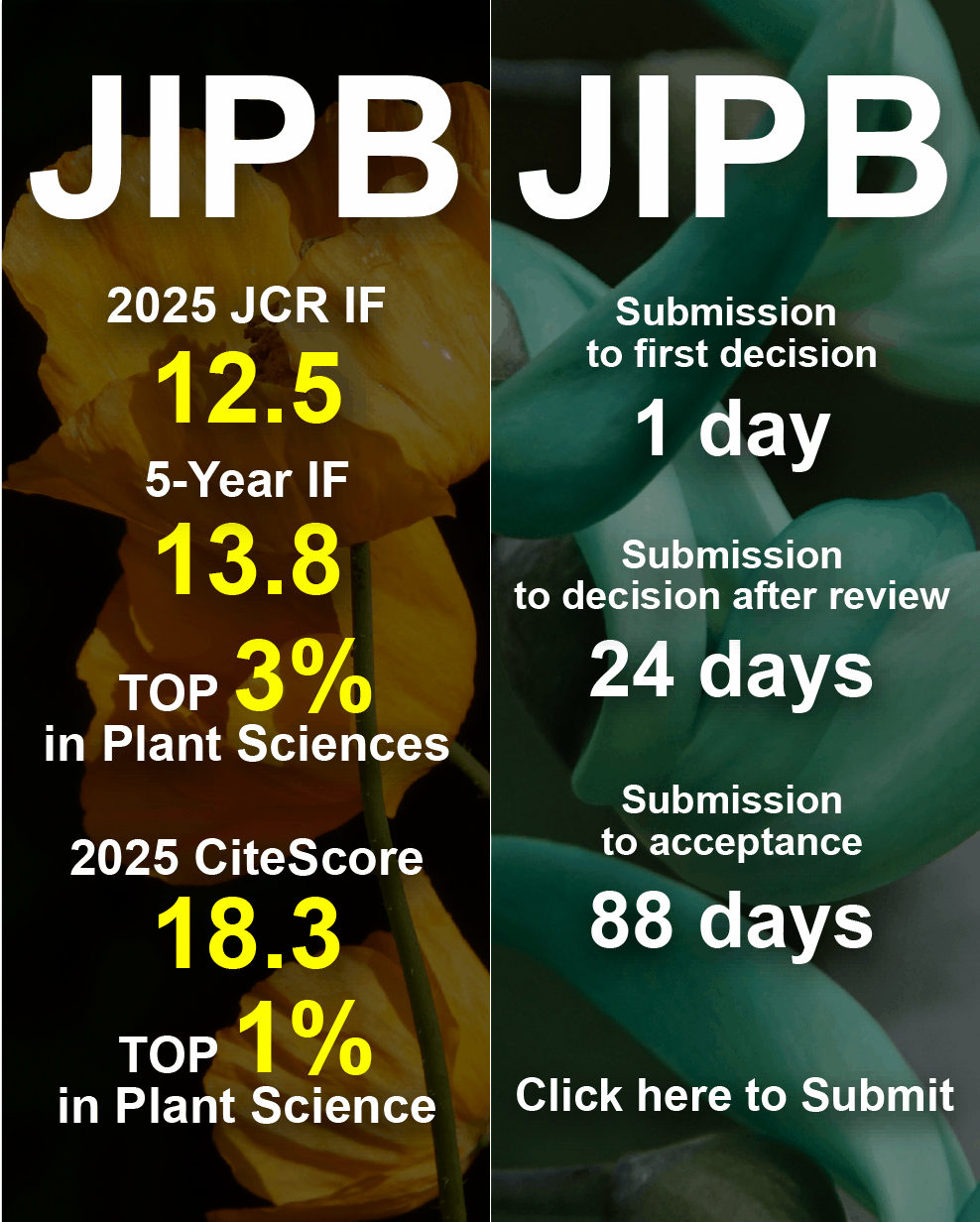









 Scan the QR code to view JIPB on WeChat