Integrative Biology Journals
Login
/
Register
Toggle navigation
JIPB
Home
Journal
About the Journal
Aim and Scope
Accepted
Archive
Board Members
JIPB Staff
Editor's Handbook
Promotional Slides
Newsletter
Author Guidelines
Instructions for Authors
Free Access Policy
PubExpress
Ethics in Publishing
Reader Services
Get New Content Alerts
Most-Cited Articles
Most-Accessed Articles
Subscription
Recommend JIPB to Library
Advertising
JIPB at Wiley
Biotic Interactions
Default
Latest
Most Read
Please wait a minute...
For Selected:
Download Citations
EndNote
Reference Manager
ProCite
BibTeX
RefWorks
Toggle Thumbnails
Select
Wheat MAPK cascade mediates SGT1 nuclear entry targeted by a stripe rust effector
Weixue Shu, Tong Yan, Shuyuan Jing, Pengfei Gan, Jianfeng Wang, Zeyu Hu, Jinren Zhao, Xin Fan, Zhensheng Kang, Chunlei Tang, Xiaojie Wang
J Integr Plant Biol 2025, 67 (6): 1614-1632.
DOI:
10.1111/jipb.13888
Abstract
(Browse
689
) |
Save
Mitogen-activated protein kinase (MAPK) cascades play a fundamental role in plant immunity by transducing external signals inside plant cells. Here, we defined a wheat MAPK cascade, composed of the mitogen-activated protein kinase kinase (MAPKK) TaMKK2 and its downstream MAPK TaMAPK6, which phosphorylates the core immune regulator TaSGT1 (suppressor of G2 allele of Skp1), resulting in enhanced nuclear entry of TaSGT1, thereby conferring resistance against the devastating wheat pathogen
Puccinia striiformis
f. sp.
tritici
(
Pst
). Hence, we identified a TaMKK2-TaMAPK6-TaSGT1 signaling cascade that contributes to wheat stripe rust resistance. During infection,
Pst
secrets a haustorium-associated secreted protein 215 (HASP215), that targets TaMKK2 and interferes with the interaction of TaMKK2 with TaMAPK6 to suppress TaMAPK6 phosphorylation and activation, thereby leading to reduced capacity of TaMAPK6 to phosphorylate TaSGT1. Consequently, inhibition of TaMAPK6-mediated TaSGT1 phosphorylation resulted in decreased nuclear translocation of TaSGT1 and suppressed plant immunity. Our work elucidates the positive function of TaMKK2-TaMAPK6 cascade in wheat immunity by regulating the immune component TaSGT1, and its regulation by the rust effector HASP215, providing new insights into the MAPK cascade on crop immunity and the pathogenicity mechanism of obligate biotrophic fungus.
References
|
Full Text HTML
|
Full Text PDF
|
Cited By
The wheat (
Triticum aestivum
) TaMAKK2-TaMAPK6 kinase cascade phosphorylates the core immune regulator TaSGT1 (Suppressor of G2 allele of Skp1) and promotes its nuclear entry, thereby contributing to resistance to stripe rust; an effector from the fungal pathogen that causes stripe rust targets and blocks this process.
Select
Plant virology in the 21st century in China: Recent advances and future directions
Jianguo Wu, Yongliang Zhang, Fangfang Li, Xiaoming Zhang, Jian Ye, Taiyun Wei, Zhenghe Li, Xiaorong Tao, Feng Cui, Xianbing Wang, Lili Zhang, Fei Yan, Shifang Li, Yule Liu, Dawei Li, Xueping Zhou and Yi Li
J Integr Plant Biol 2024, 66 (3): 579-622.
doi:
10.1111/jipb.13580
Abstract
(Browse
599
) |
Save
Plant viruses are a group of intracellular pathogens that persistently threaten global food security. Significant advances in plant virology have been achieved by Chinese scientists over the last 20 years, including basic research and technologies for preventing and controlling plant viral diseases. Here, we review these milestones and advances, including the identification of new crop-infecting viruses, dissection of pathogenic mechanisms of multiple viruses, examination of multilayered interactions among viruses, their host plants, and virus-transmitting arthropod vectors, and in-depth interrogation of plant-encoded resistance and susceptibility determinants. Notably, various plant virus-based vectors have also been successfully developed for gene function studies and target gene expression in plants. We also recommend future plant virology studies in China.
References
|
Full Text HTML
|
Full Text PDF
|
Cited By
Over the last two decades, the field of plant virology in China has made many significant advances. This review summarizes the key advancements in Chinese plant virology during this period, and briefly introduces the disciplinary characteristics, research capacity, and future directions in the plant virology field in China.
Select
Ripening and rot: How ripening processes influence disease susceptibility in fleshy fruits
Shan Li, Yu Zhao, Pan Wu, Donald Grierson, Lei Gao
J Integr Plant Biol 2024, 66 (9): 1831-1863.
doi:
10.1111/jipb.13739
Abstract
(Browse
587
) |
Save
Fleshy fruits become more susceptible to pathogen infection when they ripen; for example, changes in cell wall properties related to softening make it easier for pathogens to infect fruits. The need for high-quality fruit has driven extensive research on improving pathogen resistance in important fruit crops such as tomato (
Solanum lycopersicum
). In this review, we summarize current progress in understanding how changes in fruit properties during ripening affect infection by pathogens. These changes affect physical barriers that limit pathogen entry, such as the fruit epidermis and its cuticle, along with other defenses that limit pathogen growth, such as preformed and induced defense compounds. The plant immune system also protects ripening fruit by recognizing pathogens and initiating defense responses involving reactive oxygen species production, mitogen-activated protein kinase signaling cascades, and jasmonic acid, salicylic acid, ethylene, and abscisic acid signaling. These phytohormones regulate an intricate web of transcription factors (TFs) that activate resistance mechanisms, including the expression of pathogenesis-related genes. In tomato, ripening regulators, such as RIPENING INHIBITOR and NON_RIPENING, not only regulate ripening but also influence fruit defenses against pathogens. Moreover, members of the ETHYLENE RESPONSE FACTOR (ERF) family play pivotal and distinct roles in ripening and defense, with different members being regulated by different phytohormones. We also discuss the interaction of ripening-related and defense-related TFs with the Mediator transcription complex. As the ripening processes in climacteric and non-climacteric fruits share many similarities, these processes have broad applications across fruiting crops. Further research on the individual contributions of ERFs and other TFs will inform efforts to diminish disease susceptibility in ripe fruit, satisfy the growing demand for high-quality fruit and decrease food waste and related economic losses.
References
|
Full Text HTML
|
Full Text PDF
|
Cited By
This review summarizes the physiological and molecular mechanisms underlying the interplay between fruit ripening and susceptibility/resistance to microbial pathogens and considers strategies for improving fruit quality, with tomato as a model for fleshy fruit-pathogen interactions, and relevant information from many other plant species.
Select
Activation and suppression mechanisms of the NRG1 helper NLRs
Yu-Ru Wang, Ruize Zhang, Daowen Wang, Yong Wang, Zheng Qing Fu
J Integr Plant Biol 2025, 67 (8): 1985-1987.
doi:
10.1111/jipb.13928
Abstract
(Browse
571
) |
Save
References
|
Full Text HTML
|
Full Text PDF
|
Cited By
This commentary examines two recent papers featuring intriguing discoveries on the molecular processes and structural foundations involved in the activation and suppression of the N-requirement gene 1 (NRG1) helper nucleotide-binding leucine-rich repeat receptor.
Select
D53 represses rice blast resistance by directly targeting phenylalanine ammonia lyases
Haitao Ye, Qingqing Hou, Haitao Lv, Hui Shi, Duo Wang, Yujie Chen, Tangshuai Xu, Mei Wang, Min He, Junjie Yin, Xiang Lu, Yongyan Tang, Xiaobo Zhu, Lijuan Zou, Xuewei Chen, Jiayang Li, Bing Wang and Jing Wang
J Integr Plant Biol 2024, 66 (9): 1827-1830.
DOI:
10.1111/jipb.13734
Abstract
(Browse
501
) |
Save
References
|
Full Text HTML
|
Full Text PDF
|
Cited By
In rice, DWARF 53 directly binds to the promoters of seven phenylalanine ammonia lyase genes,
OsPAL1
˜
OsPAL7
, and represses their expression, leading to decreased lignin accumulation and compromised resistance against
Magnaporthe oryzae
.
Select
Rice stripe mosaic virus hijacks rice heading‐related gene to promote the overwintering of its insect vector
Siping Chen, Xinyi Zhong, Zhiyi Wang, Biao Chen, Xiuqin Huang, Sipei Xu, Xin Yang, Guohui Zhou and Tong Zhang
J Integr Plant Biol 2024, 66 (9): 2000-2016.
DOI:
10.1111/jipb.13722
Abstract
(Browse
495
) |
Save
Rice stripe mosaic virus (RSMV) is an emerging pathogen which significantly reduces rice yields in the southern region of China. It is transmitted by the leafhopper
Recilia dorsalis
, which overwinters in rice fields. Our field investigations revealed that RSMV infection causes delayed rice heading, resulting in a large number of green diseased plants remaining in winter rice fields. This creates a favorable environment for leafhoppers and viruses to overwinter, potentially contributing to the rapid spread and epidemic of the disease. Next, we explored the mechanism by which RSMV manipulates the developmental processes of the rice plant. A rice heading‐related E3 ubiquitin ligase, Heading date Associated Factor 1 (HAF1), was found to be hijacked by the RSMV‐encoded P6. The impairment of HAF1 function affects the ubiquitination and degradation of downstream proteins, HEADING DATE 1 and EARLY FLOWERING3, leading to a delay in rice heading. Our results provide new insights into the development regulation‐based molecular interactions between virus and plant, and highlights the importance of understanding virus‐vector‐plant tripartite interactions for effective disease management strategies.
References
|
Full Text HTML
|
Full Text PDF
|
Cited By
Rice stripe mosaic virus infection delays rice heading by manipulating the expression of a heading-related E3 ubiquitin ligase gene, creating a conducive environment for the overwintering of the insect vector (leafhoppers) and the viruses.
Select
Trade-offs between the accumulation of cuticular wax and jasmonic acid-mediated herbivory resistance in maize
Jiong Liu, Lu Li, Zhilong Xiong, Christelle A.M. Robert, Baozhu Li, Shan He, Wenjie Chen, Jiasheng Bi, Guanqing Zhai, Siyi Guo, Hui Zhang, Jieping Li, Shutang Zhou, Xi Zhang and Chun‐Peng Song
J Integr Plant Biol 2024, 66 (1): 143-159.
doi:
10.1111/jipb.13586
Abstract
(Browse
492
) |
Save
Plants have evolved complex physical and chemical defense systems that allow them to withstand herbivory infestation. Composed of a complex mixture of very-long-chain fatty acids (VLCFAs) and their derivatives, cuticular wax constitutes the first physical line of defense against herbivores. Here, we report the function of
Glossy 8
(
ZmGL8
), which encodes a 3-ketoacyl reductase belonging to the fatty acid elongase complex, in orchestrating wax production and jasmonic acid (JA)-mediated defenses against herbivores in maize (
Zea mays
). The mutation of
GL8
enhanced chemical defenses by activating the JA-dependent pathway. We observed a trade-off between wax accumulation and JA levels across maize
glossy
mutants and 24 globally collected maize inbred lines. In addition, we demonstrated that mutants defective in cuticular wax biosynthesis in
Arabidopsis thaliana
and maize exhibit enhanced chemical defenses. Comprehensive transcriptomic and lipidomic analyses indicated that the
gl8
mutant confers chemical resistance to herbivores by remodeling VLCFA-related lipid metabolism and subsequent JA biosynthesis and signaling. These results suggest that VLCFA-related lipid metabolism has a critical role in regulating the trade-offs between cuticular wax and JA-mediated chemical defenses.
References
|
Full Text HTML
|
Full Text PDF
|
Cited By
Maize
Glossy
genes have important roles in mediating the trade-offs between plant cuticular wax accumulation and jasmonate-mediated defenses against herbivores, indicating that plants have manipulated their physical and chemical defense networks during plant–herbivore coevolution.
Select
Profiling of
Phakopsora pachyrhizi
transcriptome revealed co-expressed virulence effectors as prospective RNA interference targets for soybean rust management
Haibing Ouyang, Guangzheng Sun, Kainan Li, Rui Wang, Xiaoyu Lv, Zhichao Zhang, Rong Zhao, Ying Wang, Haidong Shu, Haibin Jiang, Sicong Zhang, Jinbin Wu, Qi Zhang, Xi Chen, Tengfei Liu, Wenwu Ye, Yan Wang, Yuanchao Wang
J Integr Plant Biol 2024, 66 (11): 2543-2560.
DOI:
10.1111/jipb.13772
Abstract
(Browse
471
) |
Save
Soybean rust (SBR), caused by an obligate biotrophic pathogen
Phakopsora pachyrhizi
, is a devastating disease of soybean worldwide. However, the mechanisms underlying plant invasion by
P. pachyrhizi
are poorly understood, which hinders the development of effective control strategies for SBR. Here we performed detailed histological characterization on the infection cycle of
P. pachyrhizi
in soybean and conducted a high-resolution transcriptional dissection of
P. pachyrhizi
during infection. This revealed
P. pachyrhizi
infection leads to significant changes in gene expression with 10 co-expressed gene modules, representing dramatic transcriptional shifts in metabolism and signal transduction during different stages throughout the infection cycle. Numerous genes encoding secreted protein are biphasic expressed, and are capable of inhibiting programmed cell death triggered by microbial effectors. Notably, three co-expressed
P. pachyrhizi
apoplastic effectors (PpAE1, PpAE2, and PpAE3) were found to suppress plant immune responses and were essential for
P. pachyrhizi
infection. Double-stranded RNA coupled with nanomaterials significantly inhibited SBR infection by targeting PpAE1, PpAE2, and PpAE3, and provided long-lasting protection to soybean against
P. pachyrhizi
. Together, this study revealed prominent changes in gene expression associated with SBR and identified
P. pachyrhizi
virulence effectors as promising targets of RNA interference-based soybean protection strategy against SBR.
References
|
Full Text HTML
|
Full Text PDF
|
Cited By
Transcriptome and immunological analysis identified three effector genes of rust fungus as suppressors of plant immune responses, and nanometer nucleic acid pesticides were developed to target them, providing an effective strategy to protect soybean against soybean rust.
Select
Plant viruses convergently target NPR1 with various strategies to suppress salicylic acid-mediated antiviral immunity
Xue Jiang, Yingshuai Yang, Yong Li, Yongzhi Wang, Bernardo Rodamilans, Weiqin Ji, Xiaoxia Wu, Juan Antonio García, Xiaoyun Wu, Xiaofei Cheng
J Integr Plant Biol 2025, 67 (5): 1395-1412.
doi:
10.1111/jipb.13866
Abstract
(Browse
470
) |
Save
NONEXPRESSER OF PATHOGENESIS-RELATED GENES 1 (NPR1), the receptor for salicylic acid (SA), plays a central role in the SA-mediated basal antiviral responses. Recent studies have shown that two different plant RNA viruses encode proteins that suppress such antiviral responses by inhibiting its SUMOylation and inducing its degradation, respectively. However, it is unclear whether targeting NPR1 is a general phenomenon in viruses and whether viruses have novel strategies to inhibit NPR1. In the present study, we report that two different positive-sense single-stranded RNA (+ssRNA) viruses, namely, alfalfa mosaic virus (AMV) and potato virus X (PVX); one negative-sense single-stranded RNA (−ssRNA) virus (calla lily chlorotic spot virus, CCSV); and one single-stranded DNA virus (beet severe curly-top virus, BSCTV) that also encode one or more proteins that interact with NPR1. In addition, we found that the AMV-encoded coat protein (CP) can induce NPR1 degradation by recruiting S-phase kinase-associated protein 1 (Skp1), a key component of the Skp1/cullin1/F-box (SCF) E3 ligase. In contrast, the BSCTV-encoded V2 protein inhibits NPR1 function, probably by affecting its nucleocytoplasmic distribution via the nuclear export factor ALY. Taken together, these data suggest that NPR1 is one of the central hubs in the molecular arms race between plants and viruses and that different viruses have independently evolved different strategies to target NPR1 and disrupt its function.
References
|
Full Text HTML
|
Full Text PDF
|
Cited By
Viral infection triggers monomerization and nuclear translocation of the salicylic acid receptor NONEXPRESSOR OF PATHOGENESIS-RELATED GENES1 (NPR1) to activate pathogenesis-related gene expression. Nevertheless, viruses have developed one or more proteins to target NPR1 and impair its functionality through mechanisms such as inducing its degradation, altering its nucleocytoplasmic distribution, or inhibiting its sumoylation.
Select
Fusarium graminearum
effector FgEC1 targets wheat TaGF14b protein to suppress TaRBOHD-mediated ROS production and promote infection
Shengping Shang, Yuhan He, Qianyong Hu, Ying Fang, Shifeng Cheng, Cui-Jun Zhang
J Integr Plant Biol 2024, 66 (10): 2288-2303.
DOI:
10.1111/jipb.13752
Abstract
(Browse
468
) |
Save
Fusarium
head blight (FHB), caused by
Fusarium graminearum
, is a devastating disease of wheat globally. However, the molecular mechanisms underlying the interactions between
F. graminearum
and wheat remain unclear. Here, we identified a secreted effector protein, FgEC1, that is induced during wheat infection and is required for
F. graminearum
virulence. FgEC1 suppressed flg22- and chitin-induced callose deposition and reactive oxygen species (ROS) burst in
Nicotiana benthamiana
. FgEC1 directly interacts with TaGF14b, which is upregulated in wheat heads during
F. graminearum
infection. Overexpression of
TaGF14b
increases FHB resistance in wheat without compromising yield. TaGF14b interacts with NADPH oxidase respiratory burst oxidase homolog D (TaRBOHD) and protects it against degradation by the 26S proteasome. FgEC1 inhibited the interaction of TaGF14b with TaRBOHD and promoted TaRBOHD degradation, thereby reducing TaRBOHD-mediated ROS production. Our findings reveal a novel pathogenic mechanism in which a fungal pathogen acts via an effector to reduce TaRBOHD-mediated ROS production.
References
|
Full Text HTML
|
Full Text PDF
|
Cited By
The fungal pathogen
Fusarium graminearum
delivers the effector FgEC1 into wheat cells, where it indirectly promotes degradation of the reactive oxygen species-producing enzyme TaRBOHD, thus reducing TaRBOHD-mediated reactive oxygen species production, and promoting infection. Overexpression of a target of FgEC1 increased wheat tolerance to
F. graminearum
without reducing yield.
Select
Recognition of a salivary effector by the TNL protein RCSP promotes effector-triggered immunity and systemic resistance in
Nicotiana benthamiana
Weiwei Rao, Tingting Ma, Jiayuan Cao, Yajun Zhang, Sisi Chen, Shu Lin, Xiaoxiao Liu, Guangcun He, Li Wan
J Integr Plant Biol 2025, 67 (1): 150-168.
DOI:
10.1111/jipb.13800
Abstract
(Browse
453
) |
Save
Insects secret chemosensory proteins (CSPs) into plant cells as potential effector proteins during feeding. The molecular mechanisms underlying how CSPs activate plant immunity remain largely unknown. We show that CSPs from six distinct insect orders induce dwarfism when overexpressed in
Nicotiana benthamiana
. Agrobacterium-mediated transient expression of
Nilaparvata lugens
CSP11 (NlCSP11) triggered cell death and plant dwarfism, both of which were dependent on ENHANCED DISEASE SUSCEPTIBILITY 1 (EDS1), N requirement gene 1 (NRG1) and SENESCENCE-ASSOCIATED GENE 101 (SAG101), indicating the activation of effector-triggered immunity (ETI) in
N. benthamiana
. Overexpression of NlCSP11 led to stronger systemic resistance against
Pseudomonas syringae
DC3000 lacking effector HopQ1-1 and tobacco mosaic virus, and induced higher accumulation of salicylic acid (SA) in uninfiltrated leaves compared to another effector XopQ that is recognized by a Toll-interleukin-1 receptor (TIR) domain nucleotide-binding leucine-rich repeat receptor (TNL) called ROQ1 in
N. benthamiana
. Consistently, NlCSP11-induced dwarfism and systemic resistance, but not cell death, were abolished in
N. benthamiana
transgenic line expressing the SA-degrading enzyme
NahG
. Through large-scale virus-induced gene silencing screening, we identified a TNL protein that mediates the recognition of CSPs (RCSP), including aphid effector MP10 that triggers resistance against aphids in
N. benthamiana
. Co-immunoprecipitation, bimolecular fluorescence complementation and AlphaFold2 prediction unveiled an interaction between NlCSP11 and RCSP. Interestingly, RCSP does not contain the conserved catalytic glutamic acid in the TIR domain, which is required for TNL function. Our findings point to enhanced ETI and systemic resistance by a TNL protein via hyperactivation of the SA pathway. Moreover, RCSP is the first TNL identified to recognize an insect effector.
References
|
Full Text HTML
|
Full Text PDF
|
Cited By
The Toll-interleukin-1 receptor domain nucleotide-binding leucine-rich repeat protein RCSP recognizes insect salivary effector chemosensory proteins, promoting effector-triggered immunity and systemic resistance in
Nicotiana benthamiana
.
Select
The Arabidopsis chloroplast protein HHL1 regulates AvrRpt2-triggered immunity via light-dependent reactive oxygen species homeostasis
Huiren Cai, Bingke Zhao, Kexin Liang, Peiguo Yuan, Caizhen Zhang, Simiao Yang, Sujuan Duan, Hong-Lei Jin, Peng Wang, Bing Liu, Jun Liu
J Integr Plant Biol 2025, 67 (8): 2151-2166.
DOI:
10.1111/jipb.13929
Abstract
(Browse
409
) |
Save
Chloroplasts are key organelles for capturing solar energy and establishing plant immunity. During photosynthesis and pathogen defense, highly redox-active reactions take place in chloroplasts and generate large amounts of reactive oxygen species (ROS). However, our knowledge of chloroplast-produced ROS biosynthesis in plant immunity under varying light conditions is limited. Here, we report that the chloroplast-localized protein HYPERSENSITIVE TO HIGH LIGHT 1 (HHL1) functions as a dual regulator of AvrRpt2-triggered immunity in Arabidopsis (
Arabidopsis thaliana
), by modulating levels of chloroplast-produced ROS to activate appropriate responses to pathogen infection under various light intensities. Under normal light conditions, HHL1 positively regulates AvrRpt2-triggered immunity by promoting AvrRpt2-induced chloroplast-produced ROS accumulation, initiating salicylic acid signaling, and inducing the expression of genes encoding ROS-scavenging enzymes. By contrast, under high light (HL) conditions, HHL1 has an opposite role, functioning as a repressor of these immune responses while HL stress attenuates AvrRpt2-triggered immunity. These findings reveal that HHL1 modulates AvrRpt2-triggered immunity by regulating ROS homeostasis in a light intensity-dependent manner. Collectively, our results offer insight into the role of chloroplasts in the crosstalk between plant immunity and light intensity.
References
|
Full Text HTML
|
Full Text PDF
|
Cited By
The chloroplast protein HYPERSENSITIVE TO HIGH LIGHT 1 (HHL1) serves as a dual regulator of AvrRpt2-triggered immunity by modulating reactive oxygen species homeostasis in a light intensity–dependent manner. Under normal light conditions, HHL1 positively regulates AvrRpt2-mediated immune responses, but under high light stress it has a negative regulatory effect.
Select
Stacking potato
NLR
genes activates a calcium-dependent protein kinase and confers broad-spectrum disease resistance to late blight
Xiaoqiang Zhao, Fan Zhang, Xiaoqing Chen, Chongyuan Zhang, Haoyi Zhang, Tian Wang, Jinzhe Zhang, Cheng He, Shuo Wang, Xinjie Zhang, Xi Meng, Vladimir Nekrasov, Liang Kong, Suomeng Dong
J Integr Plant Biol 2025, 67 (7): 1910-1927.
DOI:
10.1111/jipb.13892
Abstract
(Browse
403
) |
Save
Late blight, caused by the oomycete plant pathogen
Phytophthora infestans
, is a destructive disease that leads to significant yield loss in potatoes and tomatoes. The introgression of disease resistance (
R
) genes, which encode nucleotide-binding domain leucine-rich repeat-containing receptors (NLRs), into cultivated potatoes, is highly effective in controlling late blight. Here, we generated transgenic
2R
and
3R
potato lines by stacking
R
genes
Rpi-blb2/Rpi-vnt1.1
and
Rpi-vnt1.1/RB/R8
, respectively, in the susceptible cv. Desiree background. The resulting
2R
and
3R
transgenic potato plants showed resistance to highly virulent
P. infestans
field isolates. We hypothesized that stacking
R
genes either resulted in up-regulation of a broader range of immune-related genes, or, more importantly, increase in the fold change of gene expression. To test our hypotheses, we performed transcriptome analysis and identified a subset of core immune-related genes that are induced in response to
P. infestans
in transgenic lines carrying single
R
genes versus lines carrying stacks of multiple
R
genes. In our analysis, stacking
R
genes resulted not only in the induction of a broader range of defense-associated genes but also a global increase in gene expression fold change, caused by the pathogen. We further demonstrated that the
calcium-dependent protein kinase 16
(
StCDPK16
) gene significantly contributed to resistance to a virulent
P. infestans
strain, in the
R
gene background, in a kinase activity-dependent manner. Thus, our data suggest that stacking the
R
genes enhances late blight resistance through modulating the expression of a broader range of defense-related genes and highlights CDPK16 as a novel player in potato
R
gene-mediated resistance.
References
|
Full Text HTML
|
Full Text PDF
|
Cited By
Stacking multiple nucleotide-binding domain leucine-rich repeat-containing receptor (NLR) genes in potato increases the number and fold change of upregulated genes, thereby conferring broad resistance to late blight caused by
Phytophthora infestans
. Among the upregulated genes, the calcium-dependent protein kinase gene
StCDPK16
is essential for resistance mediated by stacked NLR genes.
Select
New insights into CNL-mediated immunity through recognition of
Ralstonia solanacearum
RipP1 by NbZAR1
Yuyan An, Jingwei Lu, Shuangxi Zhang, Beibei Fang, Meixiang Zhang
J Integr Plant Biol 2025, 67 (5): 1220-1222.
doi:
10.1111/jipb.13855
Abstract
(Browse
400
) |
Save
References
|
Full Text HTML
|
Full Text PDF
|
Cited By
Nicotiana benthamiana
requires the coiled-coil nucleotide-binding leucine-rich repeat receptor protein NbZAR1 to recognize the type III effector RipP1 from
Ralstonia solanacearum
. Moreover, RipP1-induced cell death and immunity relies on EDS1 and NRG1, two core components of the Toll-interleukin 1-like receptor nucleotide-binding leucine-rich repeat receptor signaling pathway
Select
TaRLK-6A
promotes
Fusarium
crown rot resistance in wheat
Haijun Qi, Xiuliang Zhu, Wenbiao Shen, Xia Yang, Chaozhong Zhang, Genying Li, Feng Chen, Xuening Wei and Zengyan Zhang
J Integr Plant Biol 2024, 66 (1): 12-16.
doi:
10.1111/jipb.13596
Abstract
(Browse
394
) |
Save
References
|
Full Text HTML
|
Full Text PDF
|
Cited By
The plasma membrane-localized phytosulfokine receptor-like protein TaRLK-6A, interacting with TaSERK1, positively regulates the expression of defense-related genes in wheat, consequently promotes host resistance to
Fusarium
crown rot.
Select
New insight into Ca
2+
-permeable channel in plant immunity
Wei Wang, Hang-Yuan Cheng and Jian-Min Zhou
J Integr Plant Biol 2024, 66 (3): 623-631.
doi:
10.1111/jipb.13613
Abstract
(Browse
394
) |
Save
Calcium ions (Ca
2+
) are crucial intracellular second messengers in eukaryotic cells. Upon pathogen perception, plants generate a transient and rapid increase in cytoplasmic Ca
2+
levels, which is subsequently decoded by Ca
2+
sensors and effectors to activate downstream immune responses. The elevation of cytosolic Ca
2+
is commonly attributed to Ca
2+
influx mediated by plasma membrane-localized Ca
2+
–permeable channels. However, the contribution of Ca
2+
release triggered by intracellular Ca
2+
-permeable channels in shaping Ca
2+
signaling associated with plant immunity remains poorly understood. This review discusses recent advances in understanding the mechanism underlying the shaping of Ca
2+
signatures upon the activation of immune receptors, with particular emphasis on the identification of intracellular immune receptors as non-canonical Ca
2+
-permeable channels. We also discuss the involvement of Ca
2+
release from the endoplasmic reticulum in generating Ca
2+
signaling during plant immunity.
References
|
Full Text HTML
|
Full Text PDF
|
Cited By
This review highlights recent advancements in understanding the mechanisms by which canonical and non-canonical Ca
2+
-permeable channels shape calcium signatures during immune activation.
Select
The processed C‐terminus of AvrRps4 effector suppresses plant immunity via targeting multiple WRKYs
Quang‐Minh Nguyen, Arya Bagus Boedi Iswanto, Hobin Kang, Jiyun Moon, Kieu Anh Thi Phan, Geon Hui Son, Mi Chung Suh, Eui‐Hwan Chung3, Walter Gassmann, Sang Hee Kim
J Integr Plant Biol 2024, 66 (8): 1769-1787.
doi:
10.1111/jipb.13710
Abstract
(Browse
394
) |
Save
Pathogens generate and secrete effector proteins to the host plant cells during pathogenesis to promote virulence and colonization. If the plant carries resistance (R) proteins that recognize pathogen effectors, effector‐triggered immunity (ETI) is activated, resulting in a robust immune response and hypersensitive response (HR). The bipartite effector AvrRps4 from
Pseudomonas syringae
pv.
pisi
has been well studied in terms of avirulence function.
In planta
, AvrRps4 is processed into two parts. The C‐terminal fragment of AvrRps4 (AvrRps4
C
) induces HR in turnip and is recognized by the paired resistance proteins AtRRS1/AtRPS4 in Arabidopsis. Here, we show that AvrRps4
C
targets a group of Arabidopsis WRKY, including WRKY46, WRKY53, WRKY54, and WRKY70, to induce its virulence function. Indeed, AvrRps4
C
suppresses the general binding and transcriptional activities of immune‐positive regulator WRKY54 and WRKY54‐mediated resistance. AvrRps4
C
interferes with WRKY54's binding activity to target gene
SARD1
in vitro
, suggesting WRKY54 is sequestered from the
SARD1
promoter by AvrRps4
C
. Through the interaction of AvrRps4
C
with four WRKYs, AvrRps4 enhances the formation of homo‐/ heterotypic complexes of four WRKYs and sequesters them in the cytoplasm, thus inhibiting their function in plant immunity. Together, our results provide a detailed virulence mechanism of AvrRps4 through its C‐terminus.
References
|
Full Text HTML
|
Full Text PDF
|
Cited By
The processed C-terminus of AvrRps4 from
Pseudomonas syringae
targets the
Arabidopsis
transcription factors WRKY46, WRKY53, WRKY54, and WRKY70, promoting virulence by suppressing WRKY54-mediated enhanced resistance and WRKY54's transcriptional and binding activities. AvrRps4
C
induces WRKY-complex formation and translocates WRKYs to the cytoplasm, thus inhibiting WRKY function in plant immunity.
Select
A NAC transcription factor MNAC3-centered regulatory network negatively modulates rice immunity against blast disease
Hui Wang, Yan Bi, Yuqing Yan, Xi Yuan, Yizhou Gao, Muhammad Noman, Dayong Li and Fengming Song
J Integr Plant Biol 2024, 66 (9): 2017-2041.
DOI:
10.1111/jipb.13727
Abstract
(Browse
391
) |
Save
NAC transcription factors (TFs) are pivotal in plant immunity against diverse pathogens. Here, we report the functional and regulatory network of MNAC3, a novel NAC TF, in rice immunity. MNAC3, a transcriptional activator, negatively modulates rice immunity against blast and bacterial leaf blight diseases and pathogen-associated molecular pattern (PAMP)-triggered immune responses. MNAC3 binds to a CACG
cis
-element and activates the transcription of immune-negative target genes
OsINO80
,
OsJAZ10
, and
OsJAZ11
. The negative function of MNAC3 in rice immunity depends on its transcription of downstream genes such as
OsINO80
and
OsJAZ10
. MNAC3 interacts with immunity-related OsPP2C41 (a protein phosphatase), ONAC066 (a NAC TF), and OsDjA6 (a DnaJ chaperone). ONAC066 and OsPP2C41 attenuate MNAC3 transcriptional activity, while OsDjA6 promotes it. Phosphorylation of MNAC3 at S163 is critical for its negative functions in rice immunity. OsPP2C41, which plays positive roles in rice blast resistance and chitin-triggered immune responses, dephosphorylates MNAC3, suppressing its transcriptional activity on the target genes
OsINO80
,
OsJAZ10
, and
OsJAZ11
and promoting the translocation of MNAC3 from nucleus to cytoplasm. These results establish a MNAC3-centered regulatory network in which OsPP2C41 dephosphorylates MNAC3, attenuating its transcriptional activity on downstream immune-negative target genes in rice. Together, these findings deepen our understanding of molecular mechanisms in rice immunity and offer a novel strategy for genetic improvement of rice disease resistance.
References
|
Full Text HTML
|
Full Text PDF
|
Cited By
In rice, the protein phosphatase OsPP2C41 dephosphorylates the ONAC transcription factor MNAC3, facilitating its translocation from nucleus to cytoplasm and suppressing its transcriptional activity on downstream target genes
OsINO80
and
OsJAZ10
, which negatively regulate immunity, thus modulating rice immunity against blast disease.
Select
The actin motor protein OsMYA1 associates with OsExo70H1 and contributes to rice secretory defense by modulating OsSyp121 distribution
Yuan‐Bao Li, Chengyu Liu, Ningning Shen, Shuai Zhu, Xianya Deng, Zixuan Liu, Li‐Bo Han and Dingzhong Tang
J Integr Plant Biol 2024, 66 (9): 2058-2075.
DOI:
10.1111/jipb.13744
Abstract
(Browse
380
) |
Save
Magnaporthe oryzae
(
M. oryzae
) is a devastating hemibiotrophic pathogen. Its biotrophic invasive hyphae (IH) are enclosed in the extrainvasive hyphal membrane produced by plant cells, thus generating a front line of the battlefield between the pathogen and the host plants. In plants, defense-related complexes such as proteins, callose-rich materials and vesicles, are directionally secreted to this interface to confer defense responses, but the underlying molecular mechanism is poorly understood. In this study, we found that a Myosin gene,
Myosin A1
(
OsMYA1
), contributed to rice defense. The
OsMYA1
knockout mutant exhibited decreased resistance to
M. oryzae
infection. OsMYA1 localizes to the actin cytoskeleton and surrounds the IH of
M. oryzae
. OsMYA1 interacts with an exocyst subunit, OsExo70H1, and regulates its accumulation at the plasma membrane (PM) and pathogen–plant interface. Furthermore, OsExo70H1 interacted with the rice syntaxin of the plants121 protein (OsSyp121), and the distribution of OsSyp121 to the PM or the pathogen–plant interface was disrupted in both the
OsMYA1
and
OsExo70H1
mutants. Overall, these results not only reveal a new function of OsMYA1 in rice blast resistance, but also uncover a molecular mechanism by which plants regulate defense against
M. oryzae
by OsMYA1-initiated vesicle secretory pathway, which originates from the actin cytoskeleton to the PM.
References
|
Full Text HTML
|
Full Text PDF
|
Cited By
In rice cells, the myosin protein OsMYA1 drives defense-related secretory vesicle transport in response to infection with the rice blast fungus
Magnaporthe oryzae
. OsMYA1 guides directional transport of the exocyst subunit OsExo70H1 and SYNTAXIN OF PLANTS 121 to the cell membrane and fungus-host interface to build plant defenses.
Select
The plant terpenes DMNT and TMTT function as signaling compounds that attract Asian corn borer (
Ostrinia furnacalis
) to maize plants
Mengjie Zhao, Shijie Huang, Qingyang Zhang, Yuming Wei, Zhen Tao, Chuanhong Wang, Yibing Zhao, Xinqiao Zhang, Jinghui Dong, Ling Wang, Chen Chen, Tengyue Wang, Peijin Li
J Integr Plant Biol 2024, 66 (11): 2528-2542.
doi:
10.1111/jipb.13763
Abstract
(Browse
377
) |
Save
During their co-evolution with herbivorous insects, plants have developed multiple defense strategies that resist pests, such as releasing a blend of herbivory-induced plant volatiles (HIPVs) that repel pests or recruit their natural enemies. However, the responses of insects to HIPVs in maize (
Zea mays
L.) are not well understood. Here, we demonstrate that the Asian corn borer (ACB,
Ostrinia furnacalis
), a major insect pest of maize, shows a preference for maize pre-infested with ACB larvae rather than being repelled by these plants. Through combined transcriptomic and metabolomics analysis of ACB-infested maize seedlings, we identified two substances that explain this behavior: (
E
)-4,8-dimethylnona-1,3,7-triene (DMNT) and (
3E
,
7E
)-4,8,12-trimethyltrideca-1,3,7,11-tetraene (TMTT). DMNT and TMTT attracted ACB larvae, and knocking out the maize genes responsible for their biosynthesis via gene editing impaired this attraction. External supplementation with DMNT/TMTT hampered the larvae's ability to locate pre-infested maize. These findings uncover a novel role for DMNT and TMTT in driving the behavior of ACB. Genetic modification of maize to make it less detectable by ACB might be an effective strategy for developing maize germplasm resistant to ACB and for managing this pest effectively in the field.
References
|
Full Text HTML
|
Full Text PDF
|
Cited By
Maize plants infested by Asian corn borer larvae produce terpene compounds, termed herbivory-induced plant volatiles, that attract additional corn borer larvae. When the maize genes encoding enzymes involved in biosynthesis of these compounds are knocked out, the maize plants are less attractive to corn borer larvae.
Select
Iturin and fengycin lipopeptides inhibit pathogenic
Fusarium
by targeting multiple components of the cell membrane and their regulative effects in wheat
Qing-Song Yuan, Peng Yang, Yi-Ke Liu, Karim M. Tabl, Mao-Wei Guo, Jing-Bo Zhang, Ai-Bo Wu, Yu-Cai Liao, Tao Huang, Wei-Jie He
J Integr Plant Biol 2025, 67 (8): 2184-2197.
DOI:
10.1111/jipb.13933
Abstract
(Browse
377
) |
Save
Biocontrol microorganisms and their derived metabolites with antagonistic activity represent promising alternatives to chemical fungicides in managing plant pathogens. The lipopeptides (LPs) iturin and fengycin derived from
Bacillus amyloliquefaciens
S76-3 exhibit highly inhibitory effects against pathogenic fungi, especially
Fusarium graminearum
(
Fg
), the primary pathogen causing
Fusarium
head blight (FHB) in cereals. However, the specific target of iturin and fengycin in
Fg
and the underlying mechanism of antagonistic activity remain unclear. Here, global transcriptome sequencing, combined with both genetic and chemical approaches, demonstrates that the LPs exhibit antagonism toward
Fg
by binding to multiple components in the cell membrane of
Fg
cells, including ergosterol, phospholipids, glycosylphosphatidylinositol, and ankyrin. Lipopeptides result in cell swelling by inducing cell wall remodeling and osmotic substance glycerol synthesis mediated by cell wall integrity and high-osmolarity glycerol signaling pathways. Furthermore, we found that LPs can activate the induced systemic resistance in wheat against FHB and deoxynivalenol accumulation. Additionally, LPs were able to promote wheat growth by regulating auxin, cytokinin, and gibberellin signaling pathways while also delaying seed germination through the stimulation of abscisic acid and ethylene signaling pathways. These findings advance knowledge on the underlying mechanism of iturin and fengycin antagonistic activity and provide a new avenue for developing agricultural and clinical broad-spectrum antifungal agents and identifying plant growth regulators in the future.
References
|
Full Text HTML
|
Full Text PDF
|
Cited By
The antagonistic lipopeptides iturin and fengycin from
Bacillus amyloliquefaciens
S76-3 inhibit the growth of the pathogen
Fusarium graminearum
by binding to multiple components in the cell membrane of Fusarium cells and inducing cell swelling. Lipopeptides also activate systemic acquired resistance in wheat against Fusarium head blight and regulate wheat development.
Select
The receptor-like cytoplasmic kinase OsBSK1-2 regulates immunity via an HLH/bHLH complex
Xun Wang, Zhijuan Diao, Chang Cao, Yan Liu, Na Xia, Youlian Zhang, Ling Lu, Fanyu Kong, Houli Zhou, Lizhe Chen, Jing Zhang, Bangsheng Wang, Ronghua Huang, Dingzhong Tang, Shengping Li
J Integr Plant Biol 2024, 66 (12): 2754-2771.
doi:
10.1111/jipb.13783
Abstract
(Browse
375
) |
Save
Plants need to fine-tune defense responses to maintain a robust but flexible host barrier to various pathogens. Helix-loop-helix/basic helix-loop-helix (HLH/bHLH) complexes play important roles in fine-tuning plant development. However, the function of these genes in plant immunity and how they are regulated remain obscure. Here, we identified an atypical bHLH transcription factor,
Oryza sativa
(Os)HLH46, that interacts with rice receptor-like cytoplasmic kinase (RLCK) Os BRASSINOSTEROID-SIGNALING KINASE1-2 (OsBSK1-2), which plays a key role in rice blast resistance. OsBSK1-2 stabilized OsHLH46 both
in vivo
and i
n vitro
. In addition, OsHLH46 positively regulates rice blast resistance, which depends on OsBSK1-2. OsHLH46 has no transcriptional activation activity and interacts with a typical bHLH protein, OsbHLH6, which negatively regulates rice blast resistance. OsbHLH6 binds to the promoter of
OsWRKY45
and inhibits its expression, while OsHLH46 suppresses the function of OsbHLH6 by blocking its DNA binding and transcriptional inhibition of
OsWRKY45
. Consistent with these findings,
OsWRKY45
was up-regulated in OsHLH46-overexpressing plants. In addition, the
oshlh46
mutant overexpressing OsbHLH6 is more susceptible to
Magnaporthe oryzae
than is the wild type, suggesting that OsHLH46 suppresses OsbHLH6-mediated rice blast resistance. Our results not only demonstrated that OsBSK1-2 regulates rice blast resistance via the OsHLH46/OsbHLH6 complex, but also uncovered a new mechanism for plants to fine-tune plant immunity by regulating the HLH/bHLH complex via RLCKs.
References
|
Full Text HTML
|
Full Text PDF
|
Cited By
The receptor-like cytoplasmic kinase OsBSK1-2 positively regulates rice blast resistance by stabilizing the atypical bHLH transcription factor OsHLH46. OsHLH46 interacts with and inhibits the function of OsbHLH6, a negative immune regulator, by suppressing its transcriptional inhibition of the positive immune regulator
OsWRKY45
.
Select
NLR-mediated antiviral immunity in plants
Min Zhu, Mingfeng Feng, Xiaorong Tao
J Integr Plant Biol 2025, 67 (3): 786-800.
doi:
10.1111/jipb.13821
Abstract
(Browse
373
) |
Save
Plant viruses cause substantial agricultural devastation and economic losses worldwide. Plant nucleotide-binding domain leucine-rich repeat receptors (NLRs) play a pivotal role in detecting viral infection and activating robust immune responses. Recent advances, including the elucidation of the interaction mechanisms between NLRs and pathogen effectors, the discovery of helper NLRs, and the resolution of the ZAR1 resistosome structure, have significantly deepened our understanding of NLR-mediated immune responses, marking a new era in NLR research. In this scenario, significant progress has been made in the study of NLR-mediated antiviral immunity. This review comprehensively summarizes the progress made in plant antiviral NLR research over the past decades, with a focus on NLR recognition of viral pathogen effectors, NLR activation and regulation, downstream immune signaling, and the engineering of NLRs.
References
|
Full Text HTML
|
Full Text PDF
|
Cited By
Plant nucleotide-binding domain leucine-rich repeat receptors (NLRs) play a critical role in defending against viral infections. This review summarizes advancements in plant antiviral NLR-mediated viral effector recognition, NLR activation and regulation, downstream signaling, and the engineering of NLRs.
Select
Methyl-salicylate: A surveillance system for triggering immunity in neighboring plants
Saumya Jaiswal, Durgesh Kumar Tripathi, Ravi Gupta, Jing He, Zhong‐Hua Chen and Vijay Pratap Singh
J Integr Plant Biol 2024, 66 (2): 163-165.
doi:
10.1111/jipb.13621
Abstract
(Browse
368
) |
Save
References
|
Full Text HTML
|
Full Text PDF
|
Cited By
After being infested by aphids, plants trigger a signaling pathway that involves methyl salicylate as an airborne signaling molecule. Thus, the regulation of communication for systemically acquired resistance produced via methyl salicylate is helpful in generating stress resistance among plants against aphid infestation.
Select
Oomycete Nudix effectors display WY-Nudix conformation and mRNA decapping activity
Baodian Guo, Qinli Hu, Bangwei Wang, Deqiang Yao, Haonan Wang, Guanghui Kong, Chenyang Han, Suomeng Dong, Fengquan Liu, Weiman Xing, Yuanchao Wang
J Integr Plant Biol 2024, 66 (8): 1548-1552.
doi:
10.1111/jipb.13712
Abstract
(Browse
356
) |
Save
References
|
Full Text HTML
|
Full Text PDF
|
Cited By
Oomycete Nudix effectors have characteristics of independent evolution, but adopt a conserved WY-Nudix conformation. Furthermore, multiple oomycete Nudix effectors exhibit mRNA decapping activity.
Select
SERKs serve as co-receptors for SYR1 to trigger systemin-mediated defense responses in tomato
Hyewon Cho, Dain Seo, Minsoo Kim, Bo Eun Nam, Soyoun Ahn, Minju Kang, Geul Bang, Choon-Tak Kwon, Youngsung Joo, Eunkyoo Oh
J Integr Plant Biol 2024, 66 (10): 2273-2287.
doi:
10.1111/jipb.13747
Abstract
(Browse
354
) |
Save
Systemin, the first peptide hormone identified in plants, was initially isolated from tomato (
Solanum lycopersicum
) leaves. Systemin mediates local and systemic wound-induced defense responses in plants, conferring resistance to necrotrophic fungi and herbivorous insects. Systemin is recognized by the leucine-rich-repeat receptor-like kinase (LRR-RLK) receptor SYSTEMIN RECEPTOR1 (SYR1), but how the systemin recognition signal is transduced to intracellular signaling pathways to trigger defense responses is poorly understood. Here, we demonstrate that SERK family LRR-RLKs function as co-receptors for SYR1 to mediate systemin signal transduction in tomato. By using chemical genetic approaches coupled with engineered receptors, we revealed that the association of the cytoplasmic kinase domains of SYR1 with SERKs leads to their mutual trans-phosphorylation and the activation of SYR1, which in turn induces a wide range of defense responses. Systemin stimulates the association between SYR1 and all tomato SERKs (SlSERK1, SlSERK3A, and SlSERK3B). The resulting SYR1-SlSERK heteromeric complexes trigger the phosphorylation of TOMATO PROTEIN KINASE 1B (TPK1b), a receptor-like cytoplasmic kinase that positively regulates systemin responses. Additionally, upon association with SYR1, SlSERKs are cleaved by the
Pseudomonas syringae
effector HopB1, further supporting the finding that SlSERKs are activated by systemin-bound SYR1. Finally, genetic analysis using
Slserk
mutants showed that SlSERKs are essential for systemin-mediated defense responses. Collectively, these findings demonstrate that the systemin-mediated association of SYR1 and SlSERKs activates defense responses against herbivorous insects.
References
|
Full Text HTML
|
Full Text PDF
|
Cited By
The peptide hormone systemin induces the association between its receptor, SYSTEMIN RECEPTOR1 and somatic embryogenesis receptor-like kinases (SlSERKs), triggering their mutual trans-phosphorylation and the phosphorylation of the receptor-like cytoplasmic kinase TPK1b, thus promoting defense responses against herbivorous insects in tomato.
Select
A vicinal oxygen chelate protein facilitates viral infection by triggering the unfolded protein response in
Nicotiana benthamiana
Zhihong Guo, Ning Jiang, Menglin Li, Hongfang Guo, Qi Liu, Xinyu Qin, Zongying Zhang, Chenggui Han, Ying Wang
J Integr Plant Biol 2024, 66 (7): 1481-1499.
DOI:
10.1111/jipb.13667
Abstract
(Browse
353
) |
Save
Vicinal oxygen chelate (VOC) proteins are members of an enzyme superfamily with dioxygenase or non-dioxygenase activities. However, the biological functions of VOC proteins in plants are poorly understood. Here, we show that a VOC in Nicotiana
benthamiana
(NbVOC1) facilitates viral infection.
NbVOC1
was significantly induced by infection by beet necrotic yellow vein virus (BNYVV). Transient overexpression of
NbVOC1
or its homolog from
Beta vulgaris
(
BvVOC1
) enhanced BNYVV infection in
N. benthamiana
, which required the nuclear localization of VOC1. Consistent with this result, overexpressing
NbVOC1
facilitated BNYVV infection, whereas, knockdown and knockout of
NbVOC1
inhibited BNYVV infection in transgenic
N. benthamiana
plants. NbVOC1 interacts with the basic leucine zipper transcription factors bZIP17/ 28, which enhances their self-interaction and DNA binding to the promoters of unfolded protein response (UPR)-related genes. We propose that bZIP17/28 directly binds to the
NbVOC1
promoter and induces its transcription, forming a positive feedback loop to induce the UPR and facilitating BNYVV infection. Collectively, our results demonstrate that NbVOC1 positively regulates the UPR that enhances viral infection in plants.
References
|
Full Text HTML
|
Full Text PDF
|
Cited By
In
Nicotiana benthamiana
, Beet necrotic yellow vein virus infection triggers the bZIP17/28 branch of the Unfolded Protein Response (UPR), which activates transcription of the vicinal oxygen chelate protein gene
VOC1
. VOC1 enhances bZIP17/28 self-interaction and promoter binding activity in the nucleus, thereby facilitating the bZIP17/28-mediated UPR, which enhances viral infection.
Select
Metabolome study of rice population and resistance to brown planthopper
Tianzhu Li, Qian Zhang, Meng Ye, Yichen Cheng, Jing Yang, Jing Wang, Binglin Xing, Wei Guan, Jiamei Li, Chunyu Liu, Shengya Guo, Qiaoyun Yang, Duo Xu, Bo Du, Caixiang Liu, Guangcun He
J Integr Plant Biol 2025, 67 (12): 3093-3108.
DOI:
10.1111/jipb.70035
Abstract
(Browse
351
) |
Save
Herbivorous insects pose a major threat to crop production, with rice suffering significant yield losses due to infestation by the brown planthopper (BPH). To understand the genetic and metabolic basis of BPH resistance in rice, we conducted metabolomic analysis and performed metabolite-based genome-wide association studies (mGWAS) on a rice population composed of 168 varieties, which exhibit a wide range of resistance to BPH. Metabolomic analysis revealed a trend of increasing metabolic divergence with increasing resistance levels compared with the susceptible group, with resistant groups maintaining greater metabolic stability after BPH infestation. Furthermore, using these metabolic biomarkers, we constructed a prediction model for BPH resistance and found that biomarkers in non-infested rice were sufficient to predict BPH resistance. We identified in total 2,738 single-nucleotide polymorphisms (SNPs) associated with key biomarkers in non-infested rice and 1,605 SNPs in BPH-infested rice. Gene Ontology (GO) enrichment analysis revealed that genes associated with biomarkers were enriched in different pathways between non-infested and BPH-infested rice. Notably, the SNP rs6_191562334 was significantly associated with the biomarker
β
-damascenone, which correlated positively with rice resistance to BPH and has been shown to inhibit BPH feeding on rice. Knockout of
LOC_Os06g17970
increased
β
-damascenone levels and enhanced BPH resistance in rice. Collectively, this integrated approach provided novel insight into the metabolic and genetic mechanisms underlying BPH resistance and facilitated the development of strategies for sustainable control of BPH.
References
|
Full Text HTML
|
Full Text PDF
|
Cited By
Metabolomic analysis of germplasm revealed that resistant rice varieties exhibit greater metabolic divergence while maintaining metabolic stability under brown planthopper feeding. The development of highly accurate prediction models using metabolic biomarkers, combined with the identification of genes regulating key metabolites, provides powerful tools for molecular breeding and sustainable pest control.
Select
Two-faced OsNAS3 influences disease resistance via nicotianamine and ethylene
Kaiwei He, Liting Xu, Qin He, Wei Zhang, Ying Zhang, Xiaobo Zhu, Junjie Yin, Qing Xiong, Qingqing Hou, Yongyan Tang, Min He, Xuewei Chen, Weitao Li
J Integr Plant Biol 2024, 66 (12): 2581-2585.
DOI:
10.1111/jipb.13788
Abstract
(Browse
347
) |
Save
References
|
Full Text HTML
|
Full Text PDF
|
Cited By
The loss and gain of
OsNAS3
function both positively influence plant disease resistance. Overexpression of
OsNAS3
boosts blast resistance by promoting nicotianamine accumulation, thereby enhancing blast resistance. Conversely, knockout of
OsNAS3
increases ethylene biosynthesis, also contributing to improved blast resistance.
Select
Potato DMP2 positively regulates plant immunity by modulating endoplasmic reticulum homeostasis
Weishuai Bi, Yongming Chen, Yingying Song, Jing Liu, Tingting Zhao, Congcong Sun, Jiayuan Qin, Zhipeng Tu, Yuanyuan Li, Xiaodan Wang, Daolong Dou, Guangyuan Xu
J Integr Plant Biol 2025, 67 (6): 1568-1581.
DOI:
10.1111/jipb.13876
Abstract
(Browse
336
) |
Save
Maintenance of endoplasmic reticulum (ER) homeostasis is central for plants to survive in changing cellular and environmental conditions. Although the role of ER in plant immunity is evident, how ER homeostasis is associated with activation of the immune response remains unclear. Here, we report that StDMP2, an ER-localized member of the DOMAIN OF UNKNOWN FUNCTION 679 membrane protein (DMP) family, positively regulates resistance to
Phytophthora
in potato (
Solanum tuberosum
). Heterologous expression of
StDMP2
in tobacco (
Nicotiana benthamiana
) also enhances resistance to
Phytophthora
. Furthermore, StDMP2 is involved in both chemical- and pathogen-induced ER stress responses. Notably, StDMP2 plays a crucial role in several pathogen-associated molecular pattern-triggered immunity responses, and specifically contributes to the hypersensitive response triggered by the bacterial type-III secreted effector AvrRpt2, but not the
Phytophthora infestans
-secreted effector Avr3a. Further investigation revealed that StDMP2 affects the ER quality control-mediated accumulation of specific pattern recognition receptors and NON-RACE SPECIFIC DISEASE RESISTANCE 1. Collectively, these findings elucidate a mechanism by which StDMP2 promotes plant immunity through modulating ER homeostasis.
References
|
Full Text HTML
|
Full Text PDF
|
Cited By
In potato (
Solanum tuberosum
), the endoplasmic reticulum-localized DOMAIN OF UNKNOWN FUNCTION 679 membrane protein StDMP2 positively regulates resistance to
Phytophthora
by modulating the endoplasmic reticulum quality control-mediated accumulation of specific pattern recognition receptors and NON-RACE SPECIFIC DISEASE RESISTANCE 1.
Select
A phytocytokine and its derived peptides in the frass of an insect elicit rice defenses
Shuting Chen, Shiyun Jing, Miaofen Ye, Yubing Feng, Yayun Xu, Na Lin, Peng Kuai, Ted C. J. Turlings, Yonggen Lou
J Integr Plant Biol 2025, 67 (8): 2118-2134.
DOI:
10.1111/jipb.13852
Abstract
(Browse
334
) |
Save
Upon recognizing elicitors derived from herbivores, many plants activate specific defenses. Most of the elicitors identified thus far are from the oral secretions and egg-laying fluids of herbivores; in contrast, herbivore fecal excreta have been sparsely studied in this context. In this study, we identified elicitors in the frass of the striped stem borer (SSB;
Chilo suppressalis
) larvae using a combination of molecular and chemical analyses, bioactivity tests and insect performance bioassays. Treating rice plants with SSB frass or a solution composed of SSB frass and buffer elicited mitogen-activated protein kinase (MPK) cascades and the jasmonic acid (JA)-signaling pathway. Moreover, the treatment induced both the expression of defense-related genes and the production of defensive compounds, and enhanced the resistance of rice plants to SSB. Heating SSB frass solution did not affect its induction activity, but eliminating proteins and peptides from the solution by adding proteinase K impaired its activity. Additional chemical analyses and bioassays revealed that the rice phytocytokine, immune response peptide 1(IRP1), together with some of its derived peptides in SSB frass, induced the MPK cascades, JA biosynthesis, the expression of defense genes and the production of defensive compounds in rice. These results reveal an important role for the plant-derived fecal peptide phytocytokine IRP1 and some of its derived peptides in inducing defenses in rice against SSB.
References
|
Full Text HTML
|
Full Text PDF
|
Cited By
Rice senses the presence of the striped stem borer (
Chilo suppressalis
) by perceiving its own phytocytokine IMMUNE RESPONSE PEPTIDE 1, and its derived peptides, in the striped stem borer frass.
Select
Zinc finger transcription factors
BnaSTOP2
s regulate sulfur metabolism and confer
Sclerotinia sclerotiorum
resistance in
Brassica napus
Lihong Dai, Zhaoqi Xie, Tianxu Ai, Yushun Jiao, Xiaoyi Lian, Angchen Long, Jinyun Zhang, Guangsheng Yang and Dengfeng Hong
J Integr Plant Biol 2025, 67 (1): 101-116.
DOI:
10.1111/jipb.13801
Abstract
(Browse
332
) |
Save
Rapeseed (
Brassica napus
L.) exhibits high-sulfur requirements to achieve optimal growth, development, and pathogen resistance. Despite the importance of sulfur, the mechanisms regulating its metabolism and disease resistance are not fully understood. In this study, we found that the zinc finger transcription factors
BnaSTOP2s
play a pivotal role in sulfur metabolism and
Sclerotinia sclerotiorum
resistance. Our findings indicate that
BnaSTOP2s
are involved in sulfur metabolism, as evidenced by extensive protein interaction screening.
BnaSTOP2s
knockout reduced the content of essential sulfur-containing metabolites, including glucosinolate and glutathione, which is consistent with the significantly lowered transcriptional levels of
BnaMYB28s
and
BnaGTR2s
, key factors involved in glucosinolate synthesis and transportation, respectively. Comprehensive RNA-seq analysis revealed the substantial effect of
BnaSTOP2s
on sulfur metabolism from roots to siliques, which serve as pivotal sources and sinks for sulfur metabolism, respectively. Furthermore, we found that leaf lesion size significantly decreased and increased in the
BnaSTOP2
-OE and
Bnastop2
mutants, respectively, compared with the wild-type during
S. sclerotiorum
infection, suggesting a vital role of
BnaSTOP2s
in plant defense response. In conclusion,
BnaSTOP2s
act as global regulators of sulfur metabolism and confer resistance to
S. sclerotiorum
infection in
B. napus
. Thus, they have potential implications for improving crop resilience.
References
|
Full Text HTML
|
Full Text PDF
|
Cited By
The rapeseed (
Brassica napus
) BnaSTOP2 zinc finger transcription factors form multiple protein complexes that regulate sulfur metabolism and defense responses, influencing sulfur assimilation levels, sulfur compound metabolism in roots, leaves, and siliques, and pathogen resistance.
Select
Late blight pathogen targets host Rab-G3 GTPases with an atypical GTPase-activating protein
Song Liu, Liwen Ding, Xiong Liu, Xiaoxi Xing, Jinyang Li, Tiantian Yan, Yuli Huang, Yuan Liu, Yisa Wang, Xia Zhang, Zeming Liu, Xiyu Cao, Yuling Meng, Weixing Shan
J Integr Plant Biol 2025, 67 (8): 2135-2150.
doi:
10.1111/jipb.13920
Abstract
(Browse
329
) |
Save
Late blight pathogen
Phytophthora infestans
secretes numerous effectors to suppress plant immunity. However, little is known about their underlying biochemical mechanisms. Here we report that, in the host
Nicotiana benthamiana
,
P. infestans
core RXLR effector Pi17063 suppresses plant immunity by targeting the host plasma membrane and NbRab-G3 proteins, small GTPases of the Ras-related brain (Rab) family. Pi17063 functions as their specific GTPase-activating protein (GAP), driving them to the cytoplasm-localized guanosine diphosphate (GDP)-bound inactive state. Mutant analysis of the conserved Pi17063 arginine residues showed the essential role of its GAP activity for virulence contribution. All four NbRab-G3 subfamily members are positive immune regulators, and NbRab-G3c mutants lost the ability to switch between active and inactive states and showed compromised immune function. Consistent with this, both silencing and overexpression of an endogenous GAP,
NbGYP
, inhibited NbRab-G3c-mediated plant immunity. Our results revealed positive immune roles of host NbRab-G3 GTPases, the importance of their state balance, and the biochemical mechanism by which their functions are suppressed by a
P. infestans
effector, providing insights into understanding eukaryotic effector-mediated plant susceptibility.
References
|
Full Text HTML
|
Full Text PDF
|
Cited By
The
Phytophthora infestans
RXLR effector Pi17063 functions as an atypical GTPase-activating protein of host positive immune regulators, specifically the small GTPase NbRab-G3. Pi17063 promotes the relocalization of NbRab-G3 proteins to the cytoplasm, where they are inactive, disrupting the balance of the NbRab-G3 switch and thus leading to enhanced plant susceptibility.
Select
A resurfaced sensor NLR confers new recognition specificity to non-MAX effectors
Tongtong Zhu, Xuefeng Wu, Guixin Yuan, Dongli Wang, Vijai Bhadauria, You‐Liang Peng, Junfeng Liu, Xin Zhang
J Integr Plant Biol 2025, 67 (1): 11-14.
doi:
10.1111/jipb.13805
Abstract
(Browse
328
) |
Save
References
|
Full Text HTML
|
Full Text PDF
|
Cited By
Replacing the HMA domain of the rice (
Oryza sativa
) immune receptor RGA5 with that of the rice HMA DOMAIN-CONTAINING PROTEIN 120 (HMA120) creates a designer RGA5
HMA120
that confers resistance to
Magnaporthe oryzae
isolates expressing the non-MAX effector gene
AVR-Pita
, thus enabling the generation of new synthetic resistance genes.
Select
Conferring non-strain-specific resistance to a potyvirus via overexpression of mutant potyviral coat proteins in soybean
Sun‐Jung Kwon, Myung‐Hwi Kim, Hye Jeong Kim, Phu‐Tri Tran, Young‐Soo Chung, Kook‐Hyung Kim, Jang‐Kyun Seo
J Integr Plant Biol 2025, 67 (2): 202-204.
doi:
10.1111/jipb.13823
Abstract
(Browse
328
) |
Save
References
|
Full Text HTML
|
Full Text PDF
|
Cited By
Transgenic soybean (
Glycine max
) plants expressing mutant potyviral coat proteins that disrupt virion assembly exhibited non-strain-specific resistance against soybean mosaic virus.
Select
KatB, a bacterial extracellular vesicles (EVs)-secreted catalase, detoxifies reactive oxygen species (ROS) and promotes pathogen proliferation in plants
Jiliang Deng, Wei Li, Zhangying Wang, Jiayue Zeng, Qiang Cai
J Integr Plant Biol 2025, 67 (7): 1928-1946.
DOI:
10.1111/jipb.13894
Abstract
(Browse
328
) |
Save
Gram-negative bacteria are known to release extracellular vesicles (EVs) into their surrounding environment. However, the biological functions of the proteins contained within these vesicles remain largely unknown. Here, we used tandem mass tag (TMT) proteomic analysis to characterize protein cargoes within EVs of the phytopathogen
Pseudomonas syringae
pv.
tomato
DC3000 (
Pto
DC3000). Our investigation revealed that one catalase, KatB, is enriched in bacterial EVs. This enzyme confers EVs with the capacity to detoxify both exogenous and plant-produced H
2
O
2
, thereby contributing to the pathogen's proliferation within the plants. Interestingly, reactive oxygen species (ROS) stress stimulates bacterial EV secretion and enhances the package of KatB into these vesicles. This regulatory process depends on a periplasmic ankyrin-like protein, AnkB. Both AnkB and KatB are encoded within a small operon, and their mutant strains exhibit impaired growth in plant hosts. Furthermore, the treatment of EVs pelleted from bacterial culture supernatants activates the immune responses of plants, and the absence of KatB in EVs further enhances this protective activity. Collectively, our findings indicate that bacteria secreted KatB via EVs to interact with and reduce the host's oxidative environment, thereby promoting their proliferation within plants.
References
|
Full Text HTML
|
Full Text PDF
|
Cited By
Reactive oxygen species (ROS) produced by plants induce the bacterial pathogen
Pseudomonas syringae
pv. tomato
DC3000 to secrete extracellular vesicles (EVs) and express the catalase KatB. ROS enhance the loading of KatB into EVs, thereby facilitating bacterial colonization within the host. This process is regulated by the ankyrin-repeat protein AnkB.
Select
Rice black-streaked dwarf virus-encoded P6 protein impairs OsPelota-mediated antiviral RNA decay defense via promoting OsSCE1b ubiquitination and degradation in rice
Yi Xie, Ming Zeng, Dan Wang, Shi-bo Gao, Liyan Li, Lianshun Zheng, Yunge Zhang, Shifang Fei, Cui Zhang, Yaqin Wang, Xueping Zhou, Jianxiang Wu
J Integr Plant Biol 2025, 67 (10): 2760-2777.
doi:
10.1111/jipb.13966
Abstract
(Browse
318
) |
Save
Rice black-streaked dwarf virus (RBSDV) is a major viral pathogen threatening rice production worldwide. However, the molecular mechanisms underlying the arms race between RBSDV and its host remain largely elusive. Here, we demonstrate that RBSDV infection, or the expression of viral RNA-silencing suppressor protein P6, promotes the ubiquitination and degradation of rice small ubiquitin-like modifiers (SUMO) conjugating enzyme 1b (OsSCE1b). OsSCE1b catalyzes the SUMOylation of OsPelota, a protein involved in plant antiviral RNA decay. Furthermore, RBSDV P6 enhances the interaction between rice ubiquitin E3 ligases SINAT3/4/5 and OsSCE1b in the cytoplasm, leading to increased ubiquitination and degradation of OsSCE1b. Rice plants overexpressing OsSCE1b exhibited reduced susceptibility to RBSDV infection. Conversely, OsSCE1b knockdown and knockout lines, as well as OsPelota knockout lines, were more susceptible, indicating that both OsSCE1b and OsPelota negatively regulate RBSDV infection. Additionally, our findings show that OsSCE1b-catalyzed SUMOylated OsPelota interacts with the Hsp70 subfamily B suppressor OsHBS1, forming a complex that degrades RBSDV genomic RNAs containing one or more GA
6
motifs. Taken together, our data demonstrate that OsSCE1b negatively regulates RBSDV infection by promoting OsPelota SUMOylation and activating the antiviral RNA decay activity of the OsPelota–OsHBS1 complex. Conversely, RBSDV P6 promotes viral infection by enhancing OsSCE1b ubiquitination and degradation, thereby suppressing OsPelota SUMOylation and the rice antiviral RNA decay defense response.
References
|
Full Text HTML
|
Full Text PDF
|
Cited By
The P6 protein encoded by rice black-streaked dwarf virus enhances degradation of the rice SUMO E2 conjugating enzyme OsSCE1b through the ubiquitin/26S proteasome pathway; OsSCE1b degradation results in decreased SUMOylation of OsPelota, thereby suppressing RNA decay-dependent antiviral defenses in rice.
Select
Transcription activator-like effectors of
Xanthomonas oryzae
pv.
oryzae
hijack host transcriptional regulation through OsWRKYs
Jong Hee Im, Naeyeoung Choi, Jinjeong Lee, Man-Young Jung, Sang Ryeol Park, Duk-Ju Hwang
J Integr Plant Biol 2025, 67 (8): 2198-2213.
doi:
10.1111/jipb.13940
Abstract
(Browse
298
) |
Save
Transcription activator-like effectors (TALEs) mimic eukaryotic transcriptional activators and translocate into host plant cells via the bacterial type III secretion system (T3SS) during pathogenic interactions. They play a crucial role in disease development by regulating host genes. Despite this, the regulatory mechanisms by which TALEs control OsWRKY transcription factors (TFs) remain poorly understood. In this study, we show that two TALEs from
Xanthomonas oryzae
pv.
oryzae
(
Xoo
) individually modulate two OsWRKY TFs, resulting in increased susceptibility and reduced host defense. Specifically, Xoo1219 and Xoo2145 activate the expression of
OsWRKY104
and
OsWRKY55
, respectively, through direct interactions. OsWRKY104 increases the susceptibility to
Xoo
by activating
OsSWEET11
and
OsSWEET14
, while OsWRKY55 suppresses host defense against
Xoo
by directly regulating
OsWRKY62
. These findings suggest that TALEs hijack the host's OsWRKY TFs to create a favorable environment for bacterial survival.
References
|
Full Text HTML
|
Full Text PDF
|
Cited By
TALEs from Xanthomonas oryzae pv. oryzae enter rice cells via the Type III secretion system and manipulate OsWRKY transcription factors. The TALE Xoo1219 activates OsWRKY104, enhancing susceptibility by inducing OsSWEET genes, and Xoo2145 activates OsWRKY55, which suppresses defense via OsWRKY62. These interactions help bacteria weaken host defenses and promote infection.
Select
A plant viral effector disrupts ALD1-OSB1 immunity module to suppress chloroplast defenses
Zuxian Pan, Yaqin Wang, Fangfang Li, Yuzhen Mei, Xueping Zhou
J Integr Plant Biol 2025, 67 (9): 2510-2524.
DOI:
10.1111/jipb.13959
Abstract
(Browse
275
) |
Save
Chloroplasts are central to plant immunity, with the chloroplast-localized protein AGD2-LIKE DEFENSE RESPONSE PROTEIN 1 (ALD1) playing a critical role in producing pipecolic acid (Pip), a key immune signal. However, the regulation of ALD1 and how pathogens evade ALD1-mediated defenses remain poorly understood. Using the geminivirus tomato yellow leaf curl China virus and its associated betasatellite (TYLCCNV/TYLCCNB) as a model, we uncovered a defense mechanism involving organellar single-stranded DNA-binding protein 1 (OSB1), which stabilizes ALD1 and promotes Pip biosynthesis to strengthen immunity. Crucially, the viral βC1 effector encoded by TYLCCNB disrupts this pathway by binding OSB1 and sequestering it away from chloroplasts, thereby blocking OSB1–ALD1 interaction, destabilizing ALD1, and suppressing Pip-dependent defenses. Strikingly, βC1 mutants defective in OSB1 binding fail to interfere with the OSB1–ALD1 stability, and TYLCCNV infections carrying these mutants induce attenuated symptoms in
Nicotiana benthamiana
. Our study not only reveals how ALD1–OSB1 cooperates in chloroplast immunity but also demonstrates how geminiviruses, as a tractable model, can dissect pathogen counter-defense strategies.
References
|
Full Text HTML
|
Full Text PDF
|
Cited By
In a chloroplast-based immune mechanism, ORGANELLAR SINGLE-STRANDED DNA-BINDING PROTEIN 1 (OSB1) stabilizes AGD2-LIKE DEFENSE RESPONSE PROTEIN 1 to promote defense signaling. The viral effector βC1 disrupts this process by hijacking OSB1, thus weakening plant immunity
Select
Challenging the term symbiosis in plant–microbe associations to create an understanding across sciences
Anna Neubauer, Daniela Aros‐Mualin, Vicente Mariscal and Péter Szövényi
J Integr Plant Biol 2024, 66 (1): 7-11.
doi:
10.1111/jipb.13588
Abstract
(Browse
268
) |
Save
References
|
Full Text HTML
|
Full Text PDF
|
Cited By
Scientific progress relies on clear and consistent definitions for effective communication and collaboration. The term “symbiosis” in the context of plant-microbe associations suffers from diverse interpretations, leading to ambiguity in classification of these associations. This review elaborates on the issue, proposing an inclusive definition as well as a keyword.
page
Page 1 of 2
Total 45 records
First page
Prev page
Next page
Last page
PROMOTIONS
Special lssue:
Cas12-mediated Genome Editing in Plants
Invited expert reviews for plant research progress-2026
Advances in Plant Natural Products
Scan the QR code to view JIPB on WeChat
Follow us at
@JIPBio
on Twitter
PUBLISHED BY
Wiley
ACKNOWLEDGEMENTS
Peer Reviewers
China Association for Science and Technology
National Natural Science Foundation of China
Chinese Academy of Sciences
The Plant Cell
Plant Physiology
The Plant Journal
Cell Research
Molecular Plant
Journal of Systematics and Evolution
Biodiversity Science
Chinese Journal of Plant Ecology
Journal of Plant Ecology
Chinese Bulletin of Botany
Life World
Sponsors
Related Journals
Other IB-CAS Journals
Editorial Office, Journal of Integrative Plant Biology, Institute of Botany, CAS
No. 20 Nanxincun, Xiangshan, Beijing 100093, China
Tel: +86 10 6283 6133 Fax: +86 10 8259 2636 E-mail: jipb@ibcas.ac.cn
Copyright © 2026 by the Institute of Botany, the Chinese Academy of Sciences
Online ISSN: 1744-7909 Print ISSN: 1672-9072 CN: 11-5067/Q
备案号:
京ICP备16067583号-22
Editorial Office, Journal of Integrative Plant Biology, Institute of Botany, CAS
No. 20 Nanxincun, Xiangshan, Beijing 100093, China
Tel: +86 10 6283 6133 Fax: +86 10 8259 2636 E-mail: jipb@ibcas.ac.cn
Copyright © 2022 by the Institute of Botany, the Chinese Academy of Sciences
Online ISSN: 1744-7909 Print ISSN: 1672-9072 CN: 11-5067/Q
网站备案号:京ICP备16067583号-22




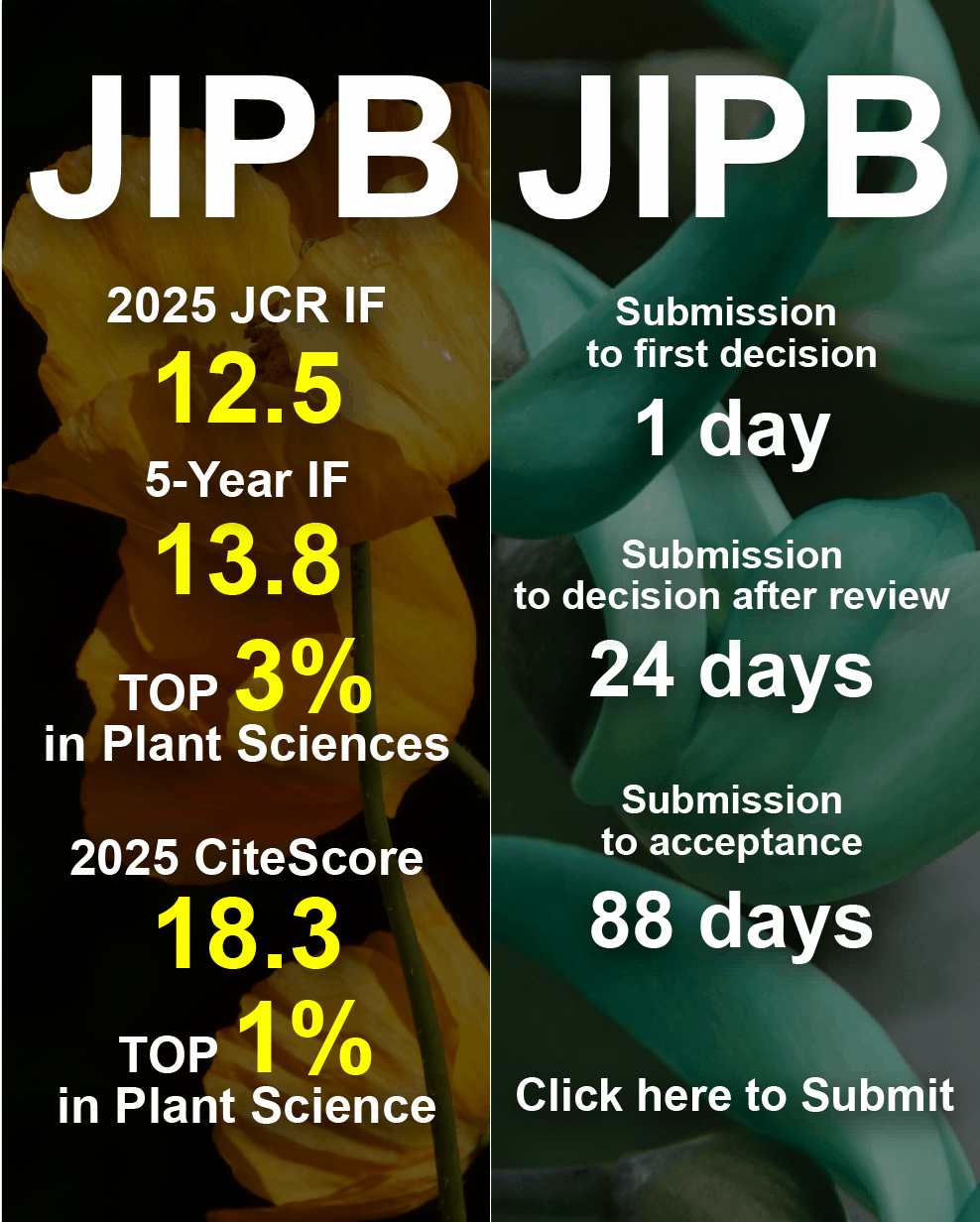









 Scan the QR code to view JIPB on WeChat